
Nexo Earn with Nexo
US government says Iran deal signing possible in coming days

US government says Iran deal signing possible in coming days

A senior official puts the likelihood of a memorandum of understanding at 80-85%, with oil markets already reacting to the prospect of eased tensions in the Gulf

A senior US administration official has placed the odds of signing a memorandum of understanding with Iran at 80-85%, signaling that months of stop-and-start diplomacy may finally be approaching a concrete outcome. The potential deal would extend ceasefire measures, reopen the Strait of Hormuz, and lay the groundwork for broader negotiations over Iran’s nuclear program.

Iranian Foreign Minister Abbas Araghchi echoed the optimism, stating the agreement has never been closer to fruition. Oil markets didn’t wait for the ink to dry: Brent crude fell below $90 per barrel on the news.

What’s actually in the deal

The tentative MOU would extend existing ceasefire measures by 60 days. The agreement would also serve as a launching pad for deeper talks about Iran’s nuclear capabilities.

The Strait of Hormuz is the narrow waterway between Iran and Oman through which roughly a fifth of the world’s oil supply passes daily.

Advertisement

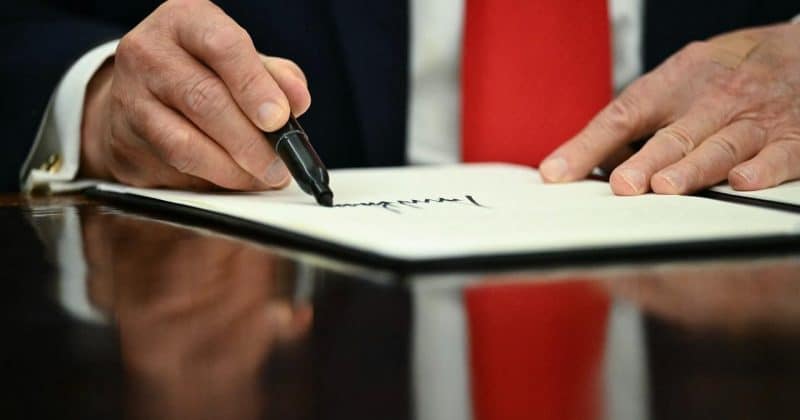
Araghchi has floated the possibility of a remote signing or a ceremony at a European location, with Geneva emerging as a likely candidate. Vice President JD Vance has been mentioned as a potential participant in the signing process.

How we got here

The current round of diplomacy traces back to April 2025, when outreach efforts between Washington and Tehran began in earnest. Multiple rounds of negotiations followed through early 2026, a process that was neither smooth nor linear.

A temporary ceasefire was announced on April 7, 2026. Progress continued through late May, setting the stage for the current moment where officials are openly discussing timelines measured in days rather than months.

The 2015 JCPOA took years to negotiate and was subsequently abandoned by the Trump administration in 2018.

What this means for markets

Brent crude dropping below $90 per barrel reflects traders pricing in the possibility that tensions in the Gulf’s most critical shipping lane could ease significantly.

If the deal falls apart in the final stretch, the snapback in oil prices could be sharp. Markets have already partially priced in success, which means failure carries an asymmetric penalty.

For crypto-focused investors specifically, the play here isn’t about the Iran deal itself. It’s about monitoring how the deal’s outcome, success or failure, shifts the macro variables that actually drive digital asset valuations: inflation expectations, interest rate trajectories, and overall risk appetite.

Disclosure: This article was edited by Editorial Team. For more information on how we create and review content, see our Editorial Policy.

US government says Iran deal signing possible in coming days

US government says Iran deal signing possible in coming days

A senior official puts the likelihood of a memorandum of understanding at 80-85%, with oil markets already reacting to the prospect of eased tensions in the Gulf

A senior US administration official has placed the odds of signing a memorandum of understanding with Iran at 80-85%, signaling that months of stop-and-start diplomacy may finally be approaching a concrete outcome. The potential deal would extend ceasefire measures, reopen the Strait of Hormuz, and lay the groundwork for broader negotiations over Iran’s nuclear program.

Iranian Foreign Minister Abbas Araghchi echoed the optimism, stating the agreement has never been closer to fruition. Oil markets didn’t wait for the ink to dry: Brent crude fell below $90 per barrel on the news.

What’s actually in the deal

The tentative MOU would extend existing ceasefire measures by 60 days. The agreement would also serve as a launching pad for deeper talks about Iran’s nuclear capabilities.

The Strait of Hormuz is the narrow waterway between Iran and Oman through which roughly a fifth of the world’s oil supply passes daily.

Advertisement

Araghchi has floated the possibility of a remote signing or a ceremony at a European location, with Geneva emerging as a likely candidate. Vice President JD Vance has been mentioned as a potential participant in the signing process.

How we got here

The current round of diplomacy traces back to April 2025, when outreach efforts between Washington and Tehran began in earnest. Multiple rounds of negotiations followed through early 2026, a process that was neither smooth nor linear.

A temporary ceasefire was announced on April 7, 2026. Progress continued through late May, setting the stage for the current moment where officials are openly discussing timelines measured in days rather than months.

The 2015 JCPOA took years to negotiate and was subsequently abandoned by the Trump administration in 2018.

What this means for markets

Brent crude dropping below $90 per barrel reflects traders pricing in the possibility that tensions in the Gulf’s most critical shipping lane could ease significantly.

If the deal falls apart in the final stretch, the snapback in oil prices could be sharp. Markets have already partially priced in success, which means failure carries an asymmetric penalty.

For crypto-focused investors specifically, the play here isn’t about the Iran deal itself. It’s about monitoring how the deal’s outcome, success or failure, shifts the macro variables that actually drive digital asset valuations: inflation expectations, interest rate trajectories, and overall risk appetite.

Disclosure: This article was edited by Editorial Team. For more information on how we create and review content, see our Editorial Policy.