
Nexo Earn with Nexo
US strikes Iranian air defenses and drone site as Hormuz tensions rattle crypto markets

US strikes Iranian air defenses and drone site as Hormuz tensions rattle crypto markets

Bitcoin fell below $73K and nearly $1 billion in crypto liquidations followed as the US and Iran exchanged military blows near the world's most important oil chokepoint.

The US military struck Iranian air-defense radar installations and drone sites near the Strait of Hormuz between May 25 and May 28, escalating a conflict that has now spilled over into crypto markets with force. Bitcoin dropped below $73,000 in the aftermath, triggering between $958 million and $1 billion in liquidations across crypto assets.

Iran’s Islamic Revolutionary Guard Corps claimed retaliation on June 1, launching missile and drone attacks aimed at the Ali Al Salem airbase in Kuwait. The sequence of events marks the most significant US-Iran military exchange since a fragile ceasefire was reached in April, and it puts roughly 20% of the world’s oil traffic at direct risk.

What happened in the Strait

The US strikes were a response to IRGC one-way attack drones targeting commercial vessels transiting the Strait of Hormuz. Think of one-way attack drones as guided missiles with wings: they’re cheap, expendable, and designed to crash into their targets rather than return to base.

Advertisement

US Central Command intercepted four to five of these drones before they could reach commercial shipping. The retaliatory strikes on Iranian radar and drone launch sites followed over a three-day window.

Iran’s response came days later. The IRGC launched a combined missile and drone salvo at the Ali Al Salem airbase in Kuwait, a facility that hosts US military personnel. Iran framed the attack as direct retaliation for the destruction of its air-defense infrastructure.

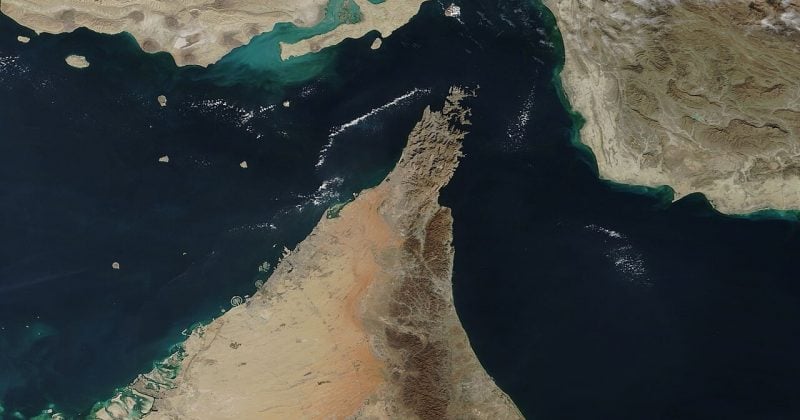
The Strait of Hormuz is a 21-mile-wide corridor between Iran and the Arabian Peninsula. Roughly a fifth of global oil supply passes through it daily.

The crypto fallout

Bitcoin’s slide below $73,000 was swift and punishing. Liquidations across the crypto market totaled between $958 million and $1 billion, depending on the tracking source. That figure encompasses both long and short positions across Bitcoin, Ethereum, and altcoins, though long liquidations dominated as prices collapsed.

Broader context and diplomatic stakes

The April ceasefire between the US and Iran was supposed to create space for negotiations. Those talks have centered on reopening the Strait of Hormuz to normal commercial traffic and are tied to a broader peace framework that reportedly includes discussions around sanction relief.

The May-June military exchange threatens to unravel that diplomatic progress entirely. Each side now has fresh grievances: the US points to Iranian drones targeting commercial ships, while Iran cites the destruction of its air-defense network.

Negotiations to restore normal Hormuz transit were already fragile before the latest strikes. Adding missile attacks on a Kuwaiti airbase to the equation makes resuming talks substantially harder.

Disclosure: This article was edited by Editorial Team. For more information on how we create and review content, see our Editorial Policy.

US strikes Iranian air defenses and drone site as Hormuz tensions rattle crypto markets

US strikes Iranian air defenses and drone site as Hormuz tensions rattle crypto markets

Bitcoin fell below $73K and nearly $1 billion in crypto liquidations followed as the US and Iran exchanged military blows near the world's most important oil chokepoint.

The US military struck Iranian air-defense radar installations and drone sites near the Strait of Hormuz between May 25 and May 28, escalating a conflict that has now spilled over into crypto markets with force. Bitcoin dropped below $73,000 in the aftermath, triggering between $958 million and $1 billion in liquidations across crypto assets.

Iran’s Islamic Revolutionary Guard Corps claimed retaliation on June 1, launching missile and drone attacks aimed at the Ali Al Salem airbase in Kuwait. The sequence of events marks the most significant US-Iran military exchange since a fragile ceasefire was reached in April, and it puts roughly 20% of the world’s oil traffic at direct risk.

What happened in the Strait

The US strikes were a response to IRGC one-way attack drones targeting commercial vessels transiting the Strait of Hormuz. Think of one-way attack drones as guided missiles with wings: they’re cheap, expendable, and designed to crash into their targets rather than return to base.

Advertisement

US Central Command intercepted four to five of these drones before they could reach commercial shipping. The retaliatory strikes on Iranian radar and drone launch sites followed over a three-day window.

Iran’s response came days later. The IRGC launched a combined missile and drone salvo at the Ali Al Salem airbase in Kuwait, a facility that hosts US military personnel. Iran framed the attack as direct retaliation for the destruction of its air-defense infrastructure.

The Strait of Hormuz is a 21-mile-wide corridor between Iran and the Arabian Peninsula. Roughly a fifth of global oil supply passes through it daily.

The crypto fallout

Bitcoin’s slide below $73,000 was swift and punishing. Liquidations across the crypto market totaled between $958 million and $1 billion, depending on the tracking source. That figure encompasses both long and short positions across Bitcoin, Ethereum, and altcoins, though long liquidations dominated as prices collapsed.

Broader context and diplomatic stakes

The April ceasefire between the US and Iran was supposed to create space for negotiations. Those talks have centered on reopening the Strait of Hormuz to normal commercial traffic and are tied to a broader peace framework that reportedly includes discussions around sanction relief.

The May-June military exchange threatens to unravel that diplomatic progress entirely. Each side now has fresh grievances: the US points to Iranian drones targeting commercial ships, while Iran cites the destruction of its air-defense network.

Negotiations to restore normal Hormuz transit were already fragile before the latest strikes. Adding missile attacks on a Kuwaiti airbase to the equation makes resuming talks substantially harder.

Disclosure: This article was edited by Editorial Team. For more information on how we create and review content, see our Editorial Policy.