
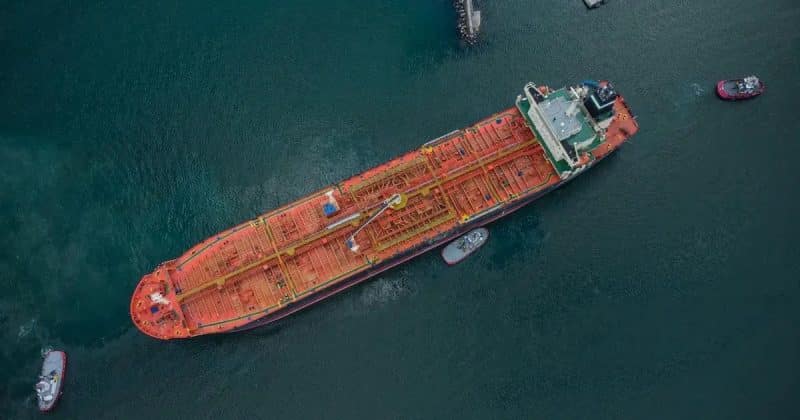
US and Iran reach interim agreement deferring contentious issues, oil markets brace for impact
A 14-point memorandum of understanding brings a 60-day ceasefire and reopens the Strait of Hormuz, but kicks the nuclear can down the road
The US and Iran have reached a preliminary interim agreement after weeks of intensive diplomacy, producing a 14-point Memorandum of Understanding that delivers a 60-day ceasefire and reopens the Strait of Hormuz to commercial shipping. The catch: virtually every hard question, from nuclear enrichment limits to ballistic missiles, has been punted to future negotiations.
The MOU was virtually signed by President Donald Trump, Vice President JD Vance, and Iranian Parliament Speaker Mohammad Bagher Ghalibaf around June 15, with a formal signing ceremony scheduled for June 19 in Switzerland.
What the deal actually covers
The US naval blockade of Iranian ports will be terminated, and the Strait of Hormuz will reopen to commercial traffic. On the economic side, Iran gains access to oil revenues and enters discussions regarding the release of more than $25 billion worth of frozen assets. No major nuclear concessions are included in this phase. Iran’s uranium enrichment levels remain unaddressed. Ballistic missiles and Iran’s broader missile program are explicitly excluded from the MOU. The administration is describing this as a “major win” built around phased measures for Iran’s compliance.
Three months of conflict as backdrop
This deal follows approximately three months of escalated conflict that began around February 2026, when Israeli military actions against Iran triggered a cascade of regional disruptions. Roughly one-fifth of the world’s petroleum passes through the Strait of Hormuz on any given day.
Mohammad Bagher Ghalibaf, Iran’s Parliament Speaker, is not the typical counterpart for a deal of this magnitude. His involvement signals the complexity of Iran’s internal politics, where the presidency, parliament, and supreme leader’s office each hold different pieces of the decision-making puzzle.
What this means for investors
The reopening of the Strait of Hormuz should ease pressure on oil prices, which have been volatile throughout the three-month conflict period. The $25 billion in frozen assets entering discussions represents a meaningful change in global capital flows. Analysts have characterized the agreement as unlikely to resolve deeper geopolitical disputes. The ballistic missile exclusion is particularly notable, as those issues are deferred to later rounds of negotiation.