
US and Iran sign interim peace deal electronically, oil markets eye Strait of Hormuz reopening
The memorandum of understanding extends the ceasefire by 60 days and opens talks on Iran's nuclear program, with a formal ceremony set for Geneva on June 19
After more than 100 days of conflict, American and Iranian officials put digital pen to digital paper on Wednesday evening, signing an interim peace agreement that could reshape energy markets and redraw the geopolitical map of the Middle East. The electronic signing took place on June 15, with a formal ceremony scheduled for June 19 in Geneva.
The deal, structured as a memorandum of understanding, extends the existing ceasefire by 60 days and kicks off discussions about Tehran’s nuclear program and Western sanctions.
What’s actually in the deal
US President Donald Trump and Vice President JD Vance signed for the American side, while Iranian parliamentary speaker Mohammad Bagher Ghalibaf represented Tehran.
Pakistan and Qatar served as mediators, with Pakistani Prime Minister Shehbaz Sharif playing a particularly active role in bridging the gap between Washington and Tehran.
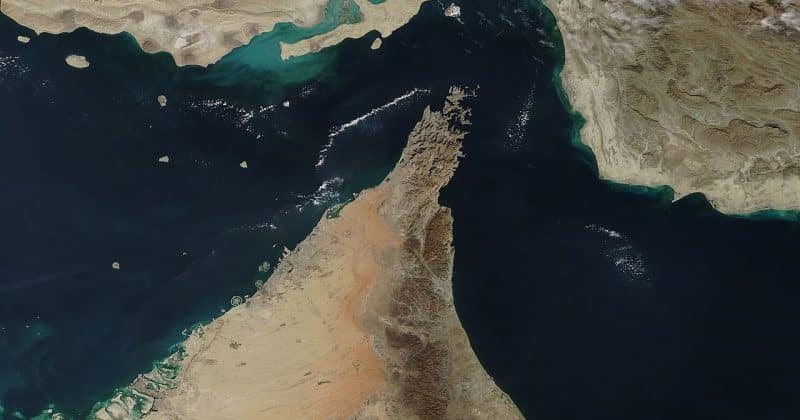
The agreement allows for the reopening of the Strait of Hormuz and the removal of the US naval blockade on Iranian ports. The Strait of Hormuz is the narrow waterway through which roughly a fifth of the world’s oil supply passes on any given day.
Macro, rates, and crypto—what moved markets and what matters next.
Daily. Free. Join 34,000+ readers across crypto, finance, and policy.
The full text of the MOU has not been publicly disclosed, though sources indicate it includes sanctions relief measures for Iran. If talks on nuclear issues don’t produce meaningful progress within 60 days, the entire framework could collapse.
The skeptics have a point
Israeli officials have been vocal in their criticism, arguing the agreement fails to adequately address Iran’s nuclear ambitions. Implementation details remain vague, and the agreement represents a pragmatic pause in tensions that escalated sharply in early 2025.
What this means for markets and investors
The reopening of the Strait of Hormuz removes one of the most significant supply-disruption risks that has been priced into crude markets for months. Energy-related equities and commodities are the most direct beneficiaries, with increased trading volumes in the energy sector suggesting investors are repositioning for a world where Iranian oil flows more freely into global markets. That’s bearish for crude prices in the medium term but bullish for downstream industries that benefit from cheaper inputs.
Sanctions relief for Iran, if it materializes, could increase demand for crypto-based financial infrastructure. Iran has historically used digital assets to circumvent sanctions, and any loosening of restrictions could accelerate that trend in ways that boost on-chain activity.