
US and Iran sign memorandum of understanding to de-escalate conflicts, and crypto markets are paying attention
A 14-point agreement ends four months of hostilities, reopens the Strait of Hormuz, and kicks off a 60-day negotiation window that has Bitcoin and risk assets rallying on the news.
The United States and Iran have signed a 14-point Memorandum of Understanding aimed at ending a four-month military conflict that rattled global energy markets and pushed geopolitical risk premiums to levels not seen in years. The agreement, formalized around June 17-18, mandates an immediate cessation of military operations across all fronts, including Lebanon, and reopens the Strait of Hormuz for toll-free commercial shipping.
Here’s the thing: this isn’t a peace deal. It’s a 60-day window to negotiate one. Bitcoin, Ethereum, and a basket of altcoins all moved higher on the announcement, driven by optimism around falling oil prices and the prospect of sanctions relief.
What the MOU actually says
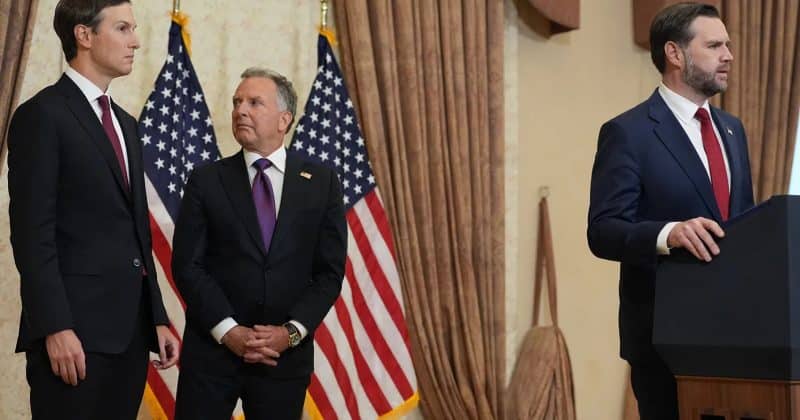
The agreement was announced on June 15 and signed by US President Donald Trump alongside Iranian President Masoud Pezeshkian and Parliament Speaker Mohammad-Bagher Ghalibaf. Pakistan served as the primary mediator, with Qatar playing a supporting role, building on a ceasefire that had been in place since early April 2026.
The 14 points cover a lot of ground. Military operations must stop immediately. The Strait of Hormuz, a chokepoint for roughly 20% of global oil and gas trade, is to be reopened without tolls for commercial shipping. Iran commits to not developing nuclear weapons. And during the 60-day negotiation period, sanctions waivers for Iranian oil sales are on the table.
The agreement also envisions a $300 billion reconstruction fund, with regional partners providing the bulk of the funding. The US role appears to be more architectural than financial.
How we got here
The conflict traces back to Iran’s blockade of the Strait of Hormuz earlier in 2026. Blocking a waterway that handles a fifth of the world’s oil and gas traffic triggered energy price spikes, surging shipping insurance costs, and military operations that drew in multiple fronts, including Lebanon.
Macro, rates, and crypto—what moved markets and what matters next.
Daily. Free. Join 34,000+ readers across crypto, finance, and policy.
Pakistan’s mediation efforts, which began in earnest alongside the early April ceasefire, ultimately produced this interim framework. Qatar’s involvement added diplomatic credibility in the Gulf region.
The last major US-Iran framework, the 2015 JCPOA nuclear deal, was abandoned by the Trump administration during its first term. This agreement covers military, economic, and nuclear dimensions simultaneously.
What this means for crypto investors
The MOU doesn’t mention cryptocurrency, blockchain, or digital assets anywhere in its 14 points. Yet Bitcoin, Ethereum, and various altcoins posted gains following the announcement, driven by optimistic forecasts regarding oil prices and potential sanctions relief.
Iran has historically used cryptocurrency as a tool to navigate around economic sanctions. If the 60-day negotiation period produces meaningful sanctions relief, Iran’s mining operations could shift from gray-market workarounds to something closer to legitimate commercial activity.
For traders, the 60-day clock is now the thing to watch. If negotiations produce a comprehensive deal with real sanctions relief, expect another leg up in risk assets broadly and crypto specifically. If talks collapse, the Strait of Hormuz risk premium returns, oil spikes, and the trade reverses.
A $300 billion infrastructure program funded by Gulf states would represent a massive capital deployment in a region where Saudi Arabia, the UAE, and Qatar have all invested heavily in digital asset frameworks. Whether reconstruction dollars flow through traditional banking channels or incorporate newer financial rails could shape crypto adoption in the Middle East for a generation.