
US signs memorandum of understanding with Iran, lifting sanctions in exchange for reopening Strait of Hormuz

US signs memorandum of understanding with Iran, lifting sanctions in exchange for reopening Strait of Hormuz

The 14-point deal includes a proposed $300 billion reconstruction fund and a 60-day window to negotiate nuclear issues, frozen assets, and regional conflicts

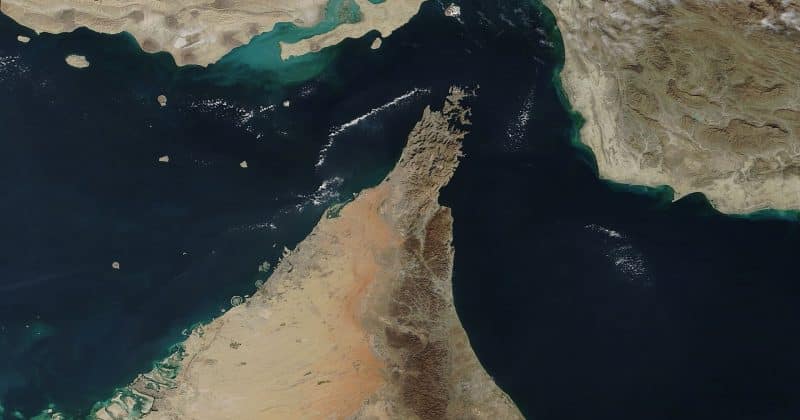
The United States and Iran have signed a 14-point memorandum of understanding that trades American sanctions relief for the reopening of the Strait of Hormuz, the narrow waterway that carried roughly 20% of the world’s oil traffic before the conflict shut it down.

The MOU, signed between June 14 and 18, 2026, by President Donald Trump and Iranian President Masoud Pezeshkian, is not a peace treaty. It is a 60-day arrangement designed to buy time for deeper negotiations on the issues that actually matter: Iran’s nuclear program, billions in frozen Iranian assets, and the regional hostilities that have drawn in Lebanon.

What the deal actually says

The agreement’s centerpiece is commercial shipping. Iran has committed to allowing vessels toll-free passage through the Strait of Hormuz for 60 days. In return, the US will immediately begin lifting its naval blockade and waiving sanctions on Iranian oil exports.

Advertisement

The MOU outlines a proposed $300 billion US-backed reconstruction fund for Iran. The deal follows a temporary ceasefire announced in April 2026, meaning the two sides have been feeling their way toward this agreement for roughly two months. The 60-day negotiation window now sets a clock ticking on the harder questions: What happens with Iran’s nuclear ambitions? How are frozen assets unwound? What does a lasting arrangement in Lebanon look like?

Oil markets react, critics sharpen knives

Oil prices dropped on the news. Markets are pricing in the expectation that Iranian crude will flow more freely and that tanker traffic through the Strait will normalize. Before the war disrupted shipping lanes, the Strait of Hormuz was the single most important chokepoint in global energy, handling about a fifth of all oil moved by sea.

The reaction from foreign policy analysts has been considerably less cheerful than the market’s response. The core criticism is blunt: Iran’s regime appears to have emerged from this conflict stronger, not weaker. Tehran secured sanctions relief, a pathway to a massive reconstruction fund, and the reopening of its most important economic artery, all without making irreversible concessions on its nuclear program or regional influence.

The BBC’s framing captures the tension well. The deal raises fundamental questions about what the conflict was meant to achieve and whether the US got anything lasting in return. A temporary arrangement that gives Iran immediate economic benefits while deferring the hard stuff to future negotiations looks, to skeptics, like a lopsided outcome.

What this means for investors

The immediate market impact is relatively clear. Energy prices should ease as Iranian oil exports resume and Strait traffic normalizes. That has downstream effects on inflation, shipping costs, and the profitability of energy companies that thrived during the supply crunch.

This is an interim deal, not a final settlement. The 60-day negotiation window introduces a new kind of uncertainty: what happens on day 61 if talks collapse? Iran’s toll-free shipping commitment expires. The sanctions relief could theoretically be reversed. The reconstruction fund is proposed, not finalized.

The $300 billion reconstruction fund also bears monitoring. If it materializes, it represents a significant capital flow that could reshape investment opportunities in Iranian infrastructure, energy, and banking, sectors that have been largely cut off from Western capital for years.

Disclosure: This article was edited by Editorial Team. For more information on how we create and review content, see our Editorial Policy.

US signs memorandum of understanding with Iran, lifting sanctions in exchange for reopening Strait of Hormuz

US signs memorandum of understanding with Iran, lifting sanctions in exchange for reopening Strait of Hormuz

The 14-point deal includes a proposed $300 billion reconstruction fund and a 60-day window to negotiate nuclear issues, frozen assets, and regional conflicts

The United States and Iran have signed a 14-point memorandum of understanding that trades American sanctions relief for the reopening of the Strait of Hormuz, the narrow waterway that carried roughly 20% of the world’s oil traffic before the conflict shut it down.

The MOU, signed between June 14 and 18, 2026, by President Donald Trump and Iranian President Masoud Pezeshkian, is not a peace treaty. It is a 60-day arrangement designed to buy time for deeper negotiations on the issues that actually matter: Iran’s nuclear program, billions in frozen Iranian assets, and the regional hostilities that have drawn in Lebanon.

What the deal actually says

The agreement’s centerpiece is commercial shipping. Iran has committed to allowing vessels toll-free passage through the Strait of Hormuz for 60 days. In return, the US will immediately begin lifting its naval blockade and waiving sanctions on Iranian oil exports.

Advertisement

The MOU outlines a proposed $300 billion US-backed reconstruction fund for Iran. The deal follows a temporary ceasefire announced in April 2026, meaning the two sides have been feeling their way toward this agreement for roughly two months. The 60-day negotiation window now sets a clock ticking on the harder questions: What happens with Iran’s nuclear ambitions? How are frozen assets unwound? What does a lasting arrangement in Lebanon look like?

Oil markets react, critics sharpen knives

Oil prices dropped on the news. Markets are pricing in the expectation that Iranian crude will flow more freely and that tanker traffic through the Strait will normalize. Before the war disrupted shipping lanes, the Strait of Hormuz was the single most important chokepoint in global energy, handling about a fifth of all oil moved by sea.

The reaction from foreign policy analysts has been considerably less cheerful than the market’s response. The core criticism is blunt: Iran’s regime appears to have emerged from this conflict stronger, not weaker. Tehran secured sanctions relief, a pathway to a massive reconstruction fund, and the reopening of its most important economic artery, all without making irreversible concessions on its nuclear program or regional influence.

The BBC’s framing captures the tension well. The deal raises fundamental questions about what the conflict was meant to achieve and whether the US got anything lasting in return. A temporary arrangement that gives Iran immediate economic benefits while deferring the hard stuff to future negotiations looks, to skeptics, like a lopsided outcome.

What this means for investors

The immediate market impact is relatively clear. Energy prices should ease as Iranian oil exports resume and Strait traffic normalizes. That has downstream effects on inflation, shipping costs, and the profitability of energy companies that thrived during the supply crunch.

This is an interim deal, not a final settlement. The 60-day negotiation window introduces a new kind of uncertainty: what happens on day 61 if talks collapse? Iran’s toll-free shipping commitment expires. The sanctions relief could theoretically be reversed. The reconstruction fund is proposed, not finalized.

The $300 billion reconstruction fund also bears monitoring. If it materializes, it represents a significant capital flow that could reshape investment opportunities in Iranian infrastructure, energy, and banking, sectors that have been largely cut off from Western capital for years.

Disclosure: This article was edited by Editorial Team. For more information on how we create and review content, see our Editorial Policy.