
US and Iran sign initial peace deal to open Strait of Hormuz, sending oil down and Bitcoin up

US and Iran sign initial peace deal to open Strait of Hormuz, sending oil down and Bitcoin up

The framework agreement lifts the US naval blockade on Iran and kicks off a 60-day negotiation window, with crypto markets flashing risk-on signals

The US and Iran signed a framework peace agreement on June 15, 2026, aimed at reopening the Strait of Hormuz for commercial shipping and winding down hostilities that have rattled global markets for over a year. The deal immediately lifts the US naval blockade on Iran and sets a 60-day window for deeper negotiations covering Iran’s nuclear program and broader sanctions relief.

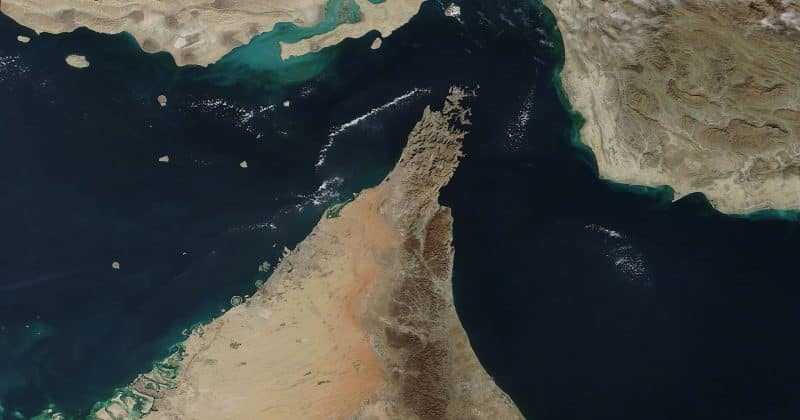
Roughly 20% of global oil trade passes through the Strait of Hormuz, making it the single most important chokepoint in the energy supply chain.

Oil craters, Bitcoin climbs

WTI crude dropped approximately 5% on the news, falling under $81 per barrel. Oil was trading near $120 per barrel at its March highs, meaning the commodity has now shed roughly 33% from those peaks as diplomacy replaced confrontation.

Advertisement

Bitcoin surged to a two-week high in the range of $65,800 to $66,000, gaining around 2-3% following the announcement.

What’s actually in the deal

The agreement is a framework, not a final treaty. The 60-day negotiation window will cover Iran’s nuclear ambitions, the scope of sanctions relief, and long-term security arrangements in the Persian Gulf.

The deal identifies up to $25B in frozen Iranian funds that could become accessible, contingent on Iran’s compliance with the agreement’s terms.

The deal also includes provisions specifically aimed at preventing nuclear weapon development by Iran, though the enforcement mechanisms will be negotiated during the 60-day period.

The crypto angle goes deeper than price

During the height of the conflict, Iran reportedly floated crypto-based toll proposals for shipping passage. A blockchain-based insurance platform called Hormuz Safe also emerged during the crisis, designed to underwrite shipping risk through the contested waterway. With normalized shipping conditions now on the horizon, that platform and others like it could see significant expansion.

Iran has historically been one of the more active Bitcoin mining jurisdictions precisely because sanctions limited its access to traditional financial systems. If the $25B in frozen assets start flowing back to Iran, some portion could enter crypto markets through direct state-level purchases or through broader economic activity.

The risk is that the framework falls apart during the 60-day negotiation window. The 2015 JCPOA nuclear deal took years to negotiate, survived barely three years before the US withdrew, and left both sides more skeptical of each other’s commitments.

Disclosure: This article was edited by Editorial Team. For more information on how we create and review content, see our Editorial Policy.

US and Iran sign initial peace deal to open Strait of Hormuz, sending oil down and Bitcoin up

US and Iran sign initial peace deal to open Strait of Hormuz, sending oil down and Bitcoin up

The framework agreement lifts the US naval blockade on Iran and kicks off a 60-day negotiation window, with crypto markets flashing risk-on signals

The US and Iran signed a framework peace agreement on June 15, 2026, aimed at reopening the Strait of Hormuz for commercial shipping and winding down hostilities that have rattled global markets for over a year. The deal immediately lifts the US naval blockade on Iran and sets a 60-day window for deeper negotiations covering Iran’s nuclear program and broader sanctions relief.

Roughly 20% of global oil trade passes through the Strait of Hormuz, making it the single most important chokepoint in the energy supply chain.

Oil craters, Bitcoin climbs

WTI crude dropped approximately 5% on the news, falling under $81 per barrel. Oil was trading near $120 per barrel at its March highs, meaning the commodity has now shed roughly 33% from those peaks as diplomacy replaced confrontation.

Advertisement

Bitcoin surged to a two-week high in the range of $65,800 to $66,000, gaining around 2-3% following the announcement.

What’s actually in the deal

The agreement is a framework, not a final treaty. The 60-day negotiation window will cover Iran’s nuclear ambitions, the scope of sanctions relief, and long-term security arrangements in the Persian Gulf.

The deal identifies up to $25B in frozen Iranian funds that could become accessible, contingent on Iran’s compliance with the agreement’s terms.

The deal also includes provisions specifically aimed at preventing nuclear weapon development by Iran, though the enforcement mechanisms will be negotiated during the 60-day period.

The crypto angle goes deeper than price

During the height of the conflict, Iran reportedly floated crypto-based toll proposals for shipping passage. A blockchain-based insurance platform called Hormuz Safe also emerged during the crisis, designed to underwrite shipping risk through the contested waterway. With normalized shipping conditions now on the horizon, that platform and others like it could see significant expansion.

Iran has historically been one of the more active Bitcoin mining jurisdictions precisely because sanctions limited its access to traditional financial systems. If the $25B in frozen assets start flowing back to Iran, some portion could enter crypto markets through direct state-level purchases or through broader economic activity.

The risk is that the framework falls apart during the 60-day negotiation window. The 2015 JCPOA nuclear deal took years to negotiate, survived barely three years before the US withdrew, and left both sides more skeptical of each other’s commitments.

Disclosure: This article was edited by Editorial Team. For more information on how we create and review content, see our Editorial Policy.