
US-Iran peace talks accelerate after Apache helicopter shootdown, with Bitcoin emerging as unlikely diplomatic tool
An Apache helicopter getting shot down near the Strait of Hormuz nearly sparked a wider war but instead pushed both sides closer to a deal, while Iran quietly builds Bitcoin-based shipping insurance.
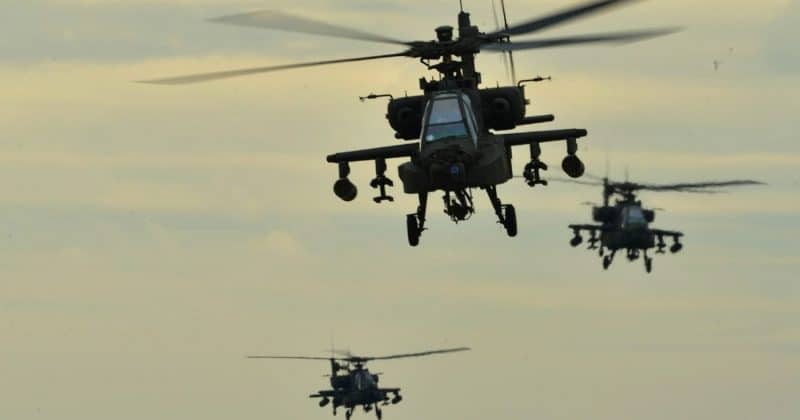
A US Army AH-64 Apache helicopter was shot down near the Strait of Hormuz on June 8, allegedly by an Iranian drone. Two pilots were rescued. And instead of spiraling into full-scale conflict, the incident appears to have done something nobody expected: it made both sides negotiate faster.
By June 12, reports indicated major progress in peace talks mediated by Pakistan, with officials from both nations working toward a memorandum of understanding.
From missiles to memorandums
Here’s the timeline. On June 8, the Apache went down. By June 9-10, President Trump authorized limited retaliatory strikes on Iranian positions, framing them as self-defense. Iran responded with strikes on US bases in the region. Then, almost as quickly as the shooting started, it stopped.
Pre-incident negotiations had already shown promise. Talks running from May through early June 2026 had covered a proposed 60-day ceasefire, nuclear enrichment concerns, and guaranteed access through the Strait of Hormuz. That last point matters enormously: roughly 20% of the world’s oil passes through that narrow waterway.
Officials from Washington and Tehran have signaled that the prospect for peace has never been closer than it is right now.
Pakistan’s role as mediator deserves attention here. Islamabad shares a border with Iran and maintains working relationships with both sides, making it a credible go-between in a situation where direct communication channels are fraught with decades of mutual distrust.
Macro, rates, and crypto—what moved markets and what matters next.
Daily. Free. Join 34,000+ readers across crypto, finance, and policy.
Iran’s quiet Bitcoin play in the Strait of Hormuz
While the diplomats negotiate, Iran has been building something interesting on the financial side. The country is exploring what’s being called “Hormuz Safe,” a Bitcoin-settled maritime insurance product designed to cover shipping through the strait.
When you’re locked out of the global financial system, specifically the SWIFT network and dollar-denominated banking, you get creative. Bitcoin-settled shipping insurance lets Iranian-linked vessels and their commercial partners transact without touching traditional financial rails that would trigger sanctions enforcement.
What this means for crypto investors
The crypto market’s reaction to the Apache incident was, by most accounts, minimal. No panic sell-offs, no dramatic flights to Bitcoin as a safe haven.
Iran’s exploration of Bitcoin for practical commercial applications, specifically maritime insurance, represents a category of adoption that doesn’t depend on retail enthusiasm or institutional allocation strategies. It depends on necessity.
Sanctions-driven adoption is a double-edged sword for the broader crypto ecosystem. On one hand, it validates Bitcoin’s core value proposition: censorship-resistant, borderless value transfer that no single government can shut off. On the other hand, it gives regulators in Washington and Brussels exactly the ammunition they need to push for tighter controls on crypto on-ramps and off-ramps.
For traders, the diplomatic timeline is what to watch. A signed MOU between the US and Iran would likely reduce oil price volatility. The 60-day ceasefire proposal remains the central framework under negotiation.