
US strikes Iranian military targets as Bitcoin drops 2% on geopolitical shock
A five-hour CENTCOM operation targeting Iran's maritime strike capabilities sent crypto markets into a brief but sharp risk-off spiral
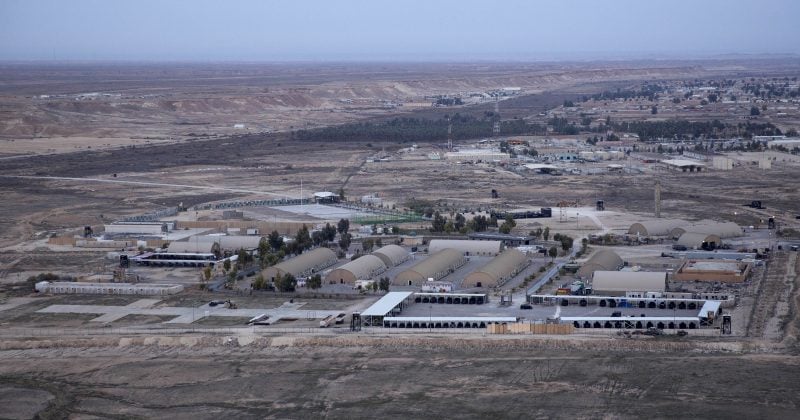
The US military carried out a new wave of precision strikes against Iranian military infrastructure on July 13, 2026, hitting sites across multiple coastal cities in a five-hour operation that wrapped up at 10:15 p.m. ET. The mission targeted Iran’s maritime strike capabilities, including missile and drone installations at Bushehr, Chah Bahar, Jask, Konarak, Abu Musa, and Bandar Abbas.
Bitcoin fell over 2% on the news, settling near $62,000, while the broader crypto market absorbed roughly $350 million in liquidations.
What happened and why it matters
The July 13 operation was not a standalone event. It followed a preceding strike wave on July 12 that damaged approximately 140 Iranian military targets tied to drones, missiles, and naval operations.
CENTCOM conducted the strikes using precision munitions delivered by aircraft, naval vessels, and drones, reflecting a coordinated, multi-domain response rather than a one-off airstrike.
The immediate trigger was Iranian attacks on at least three commercial ships in early July 2026, targeting vessels transiting the Strait of Hormuz. Roughly one-fifth of the world’s oil supply moves through it, making any disruption there a direct concern for global commodity markets, energy prices, and risk sentiment everywhere.
This is a conflict that has been building since February 2026, when a fragile ceasefire agreement collapsed. Since then, the US and Israel have conducted thousands of strikes against Iranian military infrastructure, making the July 13 operation the latest chapter in a sustained military campaign rather than a sudden escalation from a standing start.
Macro, rates, and crypto—what moved markets and what matters next.
Daily. Free. Join 34,000+ readers across crypto, finance, and policy.
A ceasefire established in June 2026 had briefly offered the possibility of de-escalation. That window closed quickly.
How crypto markets responded
Bitcoin’s move below $62,000 after the strikes reflects exactly that dynamic. When investors get nervous, risk assets sell first and questions get asked later.
The $350 million in liquidations points to leveraged positions getting wiped out as prices moved sharply lower.
What investors should be watching
The Strait of Hormuz angle is the one to watch most closely for anyone thinking about macro spillover effects. Any sustained disruption to shipping through that corridor feeds into oil prices, which feeds into inflation expectations, which affects central bank policy, which affects the broader risk environment that crypto trades within.
The scope of the US military campaign since February 2026, described as thousands of strikes, also matters for how markets price the duration of this conflict.
For Bitcoin specifically, the question is whether the $62,000 level represents a floor that buyers defend, or whether sustained geopolitical pressure keeps risk appetite suppressed enough to push prices lower. The $350 million liquidation event already flushed out a chunk of leveraged long exposure.
Traders watching this situation should pay attention to any Iranian response to the July 13 strikes, any signals from CENTCOM about whether additional operations are planned, and the status of commercial shipping through the Strait of Hormuz in the days that follow.