
US launches fifth straight day of strikes against Iran as Strait of Hormuz shipping collapses 60%

US launches fifth straight day of strikes against Iran as Strait of Hormuz shipping collapses 60%

Bitcoin has shed up to 8.5% as the escalating conflict chokes the world's most important oil chokepoint and sends risk assets into retreat.

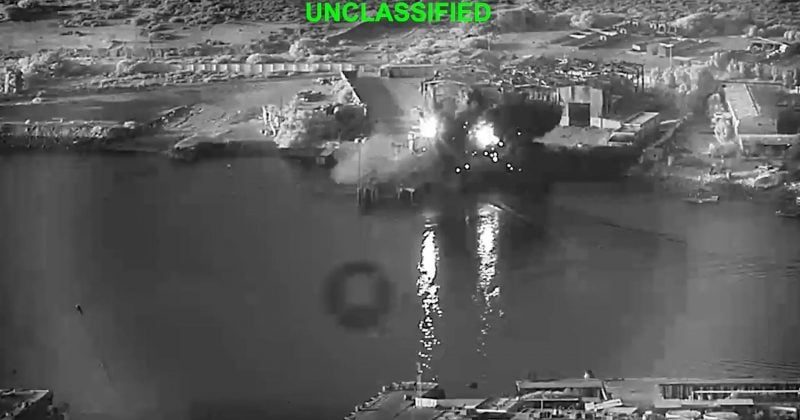
The US military continued pounding Iranian targets for a fifth consecutive day, part of an intensifying campaign that began on July 8 and has turned one of the world’s most critical shipping lanes into something resembling a ghost town. Shipping traffic through the Strait of Hormuz, the narrow waterway connecting the Persian Gulf to the open ocean, dropped to just 14 vessels on a single day. That’s roughly 60% fewer than recent levels and a dramatic collapse from the roughly 100 ships that used to pass through daily before the conflict escalated.

For crypto markets, the ripple effects have been swift and painful. Bitcoin has declined by as much as 8.5% since hostilities flared, caught in the gravitational pull of surging oil prices and a strengthening dollar that have collectively pushed investors into full risk-off mode.

What’s happening in the Strait

The Strait of Hormuz is the oil market’s most important bottleneck. About a fifth of the world’s petroleum supply passes through it on any given day.

Advertisement

Iran has claimed control over the Strait during the heightened tensions, while the US has maintained military operations aimed at keeping navigation open. Over 8 million barrels of oil reportedly continued transiting the waterway under US military protection during the most critical days of the conflict.

The strikes themselves have targeted Iranian missile and drone sites along with other military installations. Washington has simultaneously moved to revoke waivers that had previously allowed certain countries to purchase Iranian oil, ratcheting up economic pressure alongside the military campaign.

Tensions had been simmering throughout early 2026, briefly cooled by a ceasefire, and then erupted again when that ceasefire collapsed around July 8. The trigger was Iranian assaults on commercial vessels in the Strait, which the US treated as a red line.

How crypto is absorbing the shock

Bitcoin’s initial selloff of 3% to 8.5% following the escalation is a textbook geopolitical risk response. Rising oil prices push inflation expectations higher, which strengthens the dollar as markets price in tighter monetary conditions. A stronger dollar is historically a headwind for Bitcoin and most risk assets.

The macro picture for digital assets

The revocation of Iranian oil sale waivers adds another layer of complexity. Reduced Iranian supply hitting a market already nervous about Strait disruptions could keep oil elevated for weeks, maintaining the strong-dollar dynamic that has been weighing on crypto.

If the Strait of Hormuz returns to something approaching its pre-conflict throughput of 100 daily vessels, oil prices should ease and the pressure on risk assets would likely abate. If the conflict drags on and oil prices remain elevated, central banks in major economies may face renewed inflation pressures just as many were contemplating rate cuts.

Disclosure: This article was edited by Editorial Team. For more information on how we create and review content, see our Editorial Policy.

US launches fifth straight day of strikes against Iran as Strait of Hormuz shipping collapses 60%

US launches fifth straight day of strikes against Iran as Strait of Hormuz shipping collapses 60%

Bitcoin has shed up to 8.5% as the escalating conflict chokes the world's most important oil chokepoint and sends risk assets into retreat.

The US military continued pounding Iranian targets for a fifth consecutive day, part of an intensifying campaign that began on July 8 and has turned one of the world’s most critical shipping lanes into something resembling a ghost town. Shipping traffic through the Strait of Hormuz, the narrow waterway connecting the Persian Gulf to the open ocean, dropped to just 14 vessels on a single day. That’s roughly 60% fewer than recent levels and a dramatic collapse from the roughly 100 ships that used to pass through daily before the conflict escalated.

For crypto markets, the ripple effects have been swift and painful. Bitcoin has declined by as much as 8.5% since hostilities flared, caught in the gravitational pull of surging oil prices and a strengthening dollar that have collectively pushed investors into full risk-off mode.

What’s happening in the Strait

The Strait of Hormuz is the oil market’s most important bottleneck. About a fifth of the world’s petroleum supply passes through it on any given day.

Advertisement

Iran has claimed control over the Strait during the heightened tensions, while the US has maintained military operations aimed at keeping navigation open. Over 8 million barrels of oil reportedly continued transiting the waterway under US military protection during the most critical days of the conflict.

The strikes themselves have targeted Iranian missile and drone sites along with other military installations. Washington has simultaneously moved to revoke waivers that had previously allowed certain countries to purchase Iranian oil, ratcheting up economic pressure alongside the military campaign.

Tensions had been simmering throughout early 2026, briefly cooled by a ceasefire, and then erupted again when that ceasefire collapsed around July 8. The trigger was Iranian assaults on commercial vessels in the Strait, which the US treated as a red line.

How crypto is absorbing the shock

Bitcoin’s initial selloff of 3% to 8.5% following the escalation is a textbook geopolitical risk response. Rising oil prices push inflation expectations higher, which strengthens the dollar as markets price in tighter monetary conditions. A stronger dollar is historically a headwind for Bitcoin and most risk assets.

The macro picture for digital assets

The revocation of Iranian oil sale waivers adds another layer of complexity. Reduced Iranian supply hitting a market already nervous about Strait disruptions could keep oil elevated for weeks, maintaining the strong-dollar dynamic that has been weighing on crypto.

If the Strait of Hormuz returns to something approaching its pre-conflict throughput of 100 daily vessels, oil prices should ease and the pressure on risk assets would likely abate. If the conflict drags on and oil prices remain elevated, central banks in major economies may face renewed inflation pressures just as many were contemplating rate cuts.

Disclosure: This article was edited by Editorial Team. For more information on how we create and review content, see our Editorial Policy.