
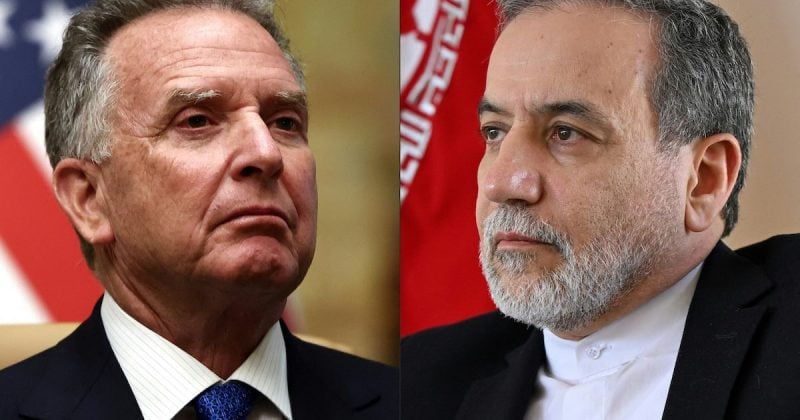
US-Iran technical talks continue after clashes threaten fragile ceasefire, rattling crypto markets

US-Iran technical talks continue after clashes threaten fragile ceasefire, rattling crypto markets

Bitcoin and digital assets slid as President Trump openly questioned whether the ceasefire is 'over,' while negotiators quietly push forward in Qatar and Switzerland

The US and Iran are still talking. That alone is notable, given that the two countries recently exchanged military strikes near the Strait of Hormuz and the ceasefire they painstakingly built over months is showing serious cracks.

Technical delegations from both sides are meeting in Qatar and Switzerland as of July 2026, working through the details of a 14-point memorandum of understanding signed around June 17. The MoU covers navigation through the Strait of Hormuz, nuclear development limits, and sanctions.

What happened to the ceasefire

The original ceasefire was established on April 7-8, 2026, and for a brief window, it held. Then came the extension into a broader framework via the June MoU, which was supposed to graduate the arrangement from “please stop shooting” to something resembling a durable peace architecture.

Advertisement

Exchanges of fire between US and Iranian forces near Bahrain and Kuwait triggered mutual accusations of ceasefire violations.

President Trump publicly questioned whether the ceasefire should be considered “over” following the retaliatory strikes.

Despite the rhetoric, the technical talks have not been called off. Qatar and Pakistan are serving as facilitators for what remain indirect contacts. No high-level meetings between senior US and Iranian officials have been confirmed in the latest round.

Why crypto markets care about the Strait of Hormuz

Bitcoin and the broader digital asset market dropped after Trump’s comments about the ceasefire’s viability. The Strait of Hormuz carries roughly a fifth of the world’s oil supply on any given day.

The market’s sensitivity to Middle Eastern developments has been a recurring theme throughout 2026. Every headline about military movements near the Gulf produces a measurable tick in crypto volatility.

What this means for investors

The compound risk here is worth spelling out. You have an active military confrontation between the US and Iran, a ceasefire framework that the US president himself has questioned, and technical negotiations that are continuing but have not yet produced visible progress.

Watch for two things: whether the indirect contacts get upgraded to confirmed high-level meetings, and whether Trump’s public tone shifts from questioning the ceasefire to endorsing it.

Disclosure: This article was edited by Editorial Team. For more information on how we create and review content, see our Editorial Policy.

US-Iran technical talks continue after clashes threaten fragile ceasefire, rattling crypto markets

US-Iran technical talks continue after clashes threaten fragile ceasefire, rattling crypto markets

Bitcoin and digital assets slid as President Trump openly questioned whether the ceasefire is 'over,' while negotiators quietly push forward in Qatar and Switzerland

The US and Iran are still talking. That alone is notable, given that the two countries recently exchanged military strikes near the Strait of Hormuz and the ceasefire they painstakingly built over months is showing serious cracks.

Technical delegations from both sides are meeting in Qatar and Switzerland as of July 2026, working through the details of a 14-point memorandum of understanding signed around June 17. The MoU covers navigation through the Strait of Hormuz, nuclear development limits, and sanctions.

What happened to the ceasefire

The original ceasefire was established on April 7-8, 2026, and for a brief window, it held. Then came the extension into a broader framework via the June MoU, which was supposed to graduate the arrangement from “please stop shooting” to something resembling a durable peace architecture.

Advertisement

Exchanges of fire between US and Iranian forces near Bahrain and Kuwait triggered mutual accusations of ceasefire violations.

President Trump publicly questioned whether the ceasefire should be considered “over” following the retaliatory strikes.

Despite the rhetoric, the technical talks have not been called off. Qatar and Pakistan are serving as facilitators for what remain indirect contacts. No high-level meetings between senior US and Iranian officials have been confirmed in the latest round.

Why crypto markets care about the Strait of Hormuz

Bitcoin and the broader digital asset market dropped after Trump’s comments about the ceasefire’s viability. The Strait of Hormuz carries roughly a fifth of the world’s oil supply on any given day.

The market’s sensitivity to Middle Eastern developments has been a recurring theme throughout 2026. Every headline about military movements near the Gulf produces a measurable tick in crypto volatility.

What this means for investors

The compound risk here is worth spelling out. You have an active military confrontation between the US and Iran, a ceasefire framework that the US president himself has questioned, and technical negotiations that are continuing but have not yet produced visible progress.

Watch for two things: whether the indirect contacts get upgraded to confirmed high-level meetings, and whether Trump’s public tone shifts from questioning the ceasefire to endorsing it.

Disclosure: This article was edited by Editorial Team. For more information on how we create and review content, see our Editorial Policy.