
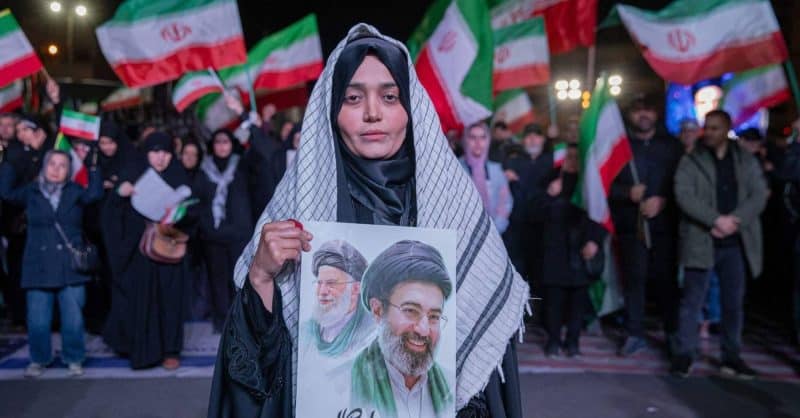
US-Iran tensions drive oil prices higher, disrupt supply through Strait of Hormuz

Photo by Jan Zakelj

US-Iran tensions drive oil prices higher, disrupt supply through Strait of Hormuz

Crude oil all time high predictions

Recent hostilities between the U.S. and Iran have significantly impacted oil markets, pushing crude oil prices higher and undermining the previous narrative of an oversupply. The geopolitical tension has led to disruptions in oil shipments through the Strait of Hormuz, a critical passage for global oil transport, and has resulted in a U.S. naval blockade on Iranian ports. These developments have caused a supply shock, with Brent crude oil now around $80 per barrel and WTI at approximately $74, contrary to earlier forecasts predicting a year-end price drop due to an anticipated oversupply.

Market participants appear to be reevaluating their expectations, as evidenced by recent shifts in prediction markets. The likelihood of crude oil reaching a new all-time high by the end of September has seen a modest increase, now priced at 5.9% YES, while the December 31 market shows a more pronounced jump to 14.5% YES. This pricing shift suggests that the geopolitical risks have introduced a premium to oil prices, counteracting the projections previously made by the International Energy Agency that were supportive of a NO outcome on new highs.

Advertisement

Key market actors, including OPEC’s Secretary General Mohammad Sanusi Barkindo and the IEA’s Executive Director Fatih Birol, are likely to play influential roles as the situation unfolds. Their responses to these geopolitical dynamics could further sway market sentiment and pricing in the coming months.

Key Takeaways

  • The escalation in U.S.-Iran hostilities appears to have disrupted previous expectations of an oil oversupply, reflected in rising crude prices.
  • Current prediction markets suggest an increased likelihood of crude oil reaching a new all-time high by December 31, with odds moving from 8% to 14.5% over the past week.
  • The geopolitical risk premium has introduced significant uncertainty into the oil markets, counteracting earlier supply narratives that were consistent with NO outcome support.

What to Watch

Watch for developments in U.S.-Iran relations, as any further escalation could continue to impact oil supply and prices. Key statements or actions from major players like OPEC and the IEA may provide additional indicators of future market conditions. Additionally, monitoring the resolution of the current conflict and any potential diplomatic engagements will be critical in understanding the future trajectory of oil prices as the year progresses.

Get live prediction-market analysis, powered by Vera. Sign up for Vera.

Disclosure: This article was edited by Estefano Gomez. For more information on how we create and review content, see our Editorial Policy.

US-Iran tensions drive oil prices higher, disrupt supply through Strait of Hormuz

US-Iran tensions drive oil prices higher, disrupt supply through Strait of Hormuz

Crude oil all time high predictions

Photo by Jan Zakelj

Recent hostilities between the U.S. and Iran have significantly impacted oil markets, pushing crude oil prices higher and undermining the previous narrative of an oversupply. The geopolitical tension has led to disruptions in oil shipments through the Strait of Hormuz, a critical passage for global oil transport, and has resulted in a U.S. naval blockade on Iranian ports. These developments have caused a supply shock, with Brent crude oil now around $80 per barrel and WTI at approximately $74, contrary to earlier forecasts predicting a year-end price drop due to an anticipated oversupply.

Market participants appear to be reevaluating their expectations, as evidenced by recent shifts in prediction markets. The likelihood of crude oil reaching a new all-time high by the end of September has seen a modest increase, now priced at 5.9% YES, while the December 31 market shows a more pronounced jump to 14.5% YES. This pricing shift suggests that the geopolitical risks have introduced a premium to oil prices, counteracting the projections previously made by the International Energy Agency that were supportive of a NO outcome on new highs.

Advertisement

Key market actors, including OPEC’s Secretary General Mohammad Sanusi Barkindo and the IEA’s Executive Director Fatih Birol, are likely to play influential roles as the situation unfolds. Their responses to these geopolitical dynamics could further sway market sentiment and pricing in the coming months.

Key Takeaways

  • The escalation in U.S.-Iran hostilities appears to have disrupted previous expectations of an oil oversupply, reflected in rising crude prices.
  • Current prediction markets suggest an increased likelihood of crude oil reaching a new all-time high by December 31, with odds moving from 8% to 14.5% over the past week.
  • The geopolitical risk premium has introduced significant uncertainty into the oil markets, counteracting earlier supply narratives that were consistent with NO outcome support.

What to Watch

Watch for developments in U.S.-Iran relations, as any further escalation could continue to impact oil supply and prices. Key statements or actions from major players like OPEC and the IEA may provide additional indicators of future market conditions. Additionally, monitoring the resolution of the current conflict and any potential diplomatic engagements will be critical in understanding the future trajectory of oil prices as the year progresses.

Get live prediction-market analysis, powered by Vera. Sign up for Vera.

Disclosure: This article was edited by Estefano Gomez. For more information on how we create and review content, see our Editorial Policy.