
US backs revival of Iraq-Syria crude oil pipeline in multibillion-dollar infrastructure push
Washington is betting on an old pipeline to reshape Middle Eastern energy routes, and the implications stretch well beyond oil markets
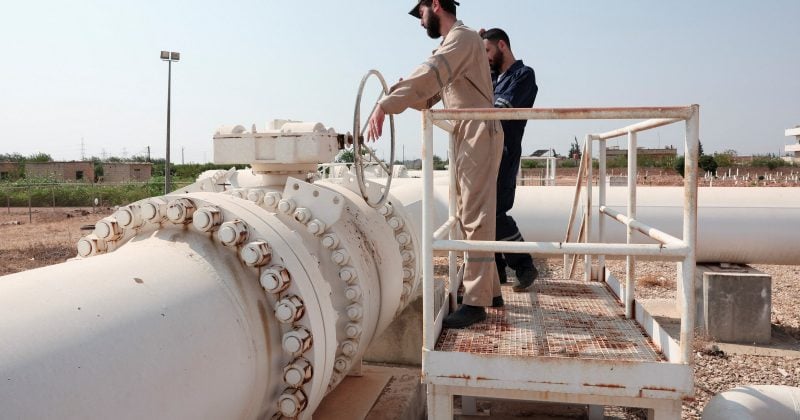
The United States is throwing its weight behind resurrecting a decades-old crude oil pipeline connecting Iraq and Syria.
The Kirkuk-Baniyas pipeline, originally built in 1952, once moved up to 300,000 barrels per day before the 2003 invasion of Iraq rendered it inoperable. Now, more than two decades later, Washington sees it as a strategic chess piece worth rebuilding.
The deal taking shape
Iraqi Prime Minister Ali al-Zaidi is expected to sign a memorandum of understanding with US investment firm TI Capital during a White House meeting with President Donald Trump in mid-July 2026. The MoU would formalize what’s been building for months: a concerted effort to give Iraq an export route that doesn’t depend on the Strait of Hormuz.
Iraq’s cabinet approved preliminary agreements on July 5, 2026, clearing the path for a US-Qatari consortium to study strategic oil export pipelines. The consortium includes TI Capital, Chevron, and Qatar’s UCC.
Reconstruction estimates for the roughly 800 to 880 kilometer pipeline range between $4.5 billion and $8 billion. The projected timeline sits at two to three years.
The news moving money, markets, and the world—before your day starts.
Daily. Free. Join 34,000+ readers across crypto, finance, and policy.
A joint US-Iraq statement issued in June 2026 confirmed both countries’ commitment to rehabilitating the pipeline. Iraq has already begun limited overland oil exports through Syria, with initial volumes reported at around 10,000 to 15,000 barrels per day.
Why Hormuz matters so much
Roughly a fifth of the world’s petroleum passes through the Strait of Hormuz. For Iraq, which relies heavily on southern export terminals near the strait, any escalation involving Iran creates immediate supply risk. The pipeline to Syria’s Mediterranean coast at Baniyas would offer Iraq an alternative export route it hasn’t had in years.
What this means for energy markets and crypto
If the pipeline reaches its historical capacity of 300,000 bpd, it would represent a meaningful addition to non-Hormuz export capacity. Iraqi crude reaching the Mediterranean opens pricing dynamics tied to European and African benchmarks rather than purely Asian ones.
Iran has allegedly explored the use of cryptocurrency for toll-related transactions in the region, highlighting an emerging intersection between energy infrastructure and digital finance.