
US lifts naval blockade on Iranian ports after 2026 Iran War

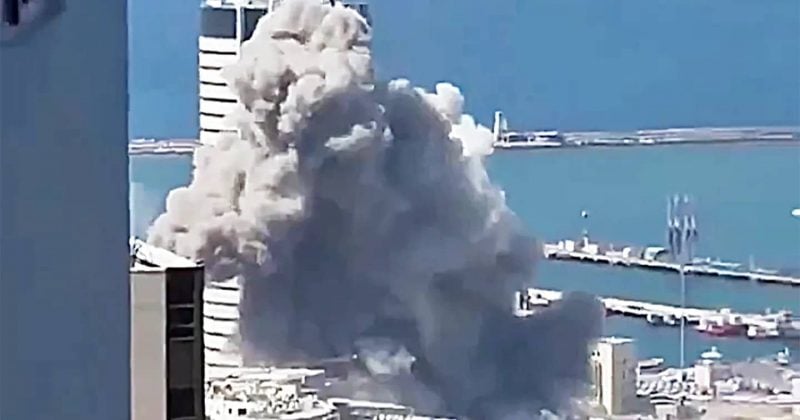
https://www.twz.com/news-features/iranian-ballistic-missiles-hit-strategic-points-in-israeli-port-city-of-haifa

US lifts naval blockade on Iranian ports after 2026 Iran War

Strait of Hormuz traffic normalization

Iranian Parliament Speaker Muhammad Bager Galibbaf announced on social media that the US naval blockade on Iranian ports has been fully lifted. This development emerged from a blend of military strength and diplomatic negotiations, marking a significant step toward peace in the aftermath of the 2026 Iran War. The blockade, enforced since April, was part of a broader geopolitical conflict involving the United States, Israel, and Iran. Its removal follows the signing of the Islamabad Memorandum, which has initiated a ceasefire and aims to facilitate normal maritime operations through the critical Strait of Hormuz.

Advertisement

Key Takeaways

  • The announcement by Galibbaf suggests a notable shift towards de-escalation and potential normalization of Strait of Hormuz traffic.
  • Market pricing indicates skepticism about a full return to normal traffic levels by July 15, with current odds at 14.5% YES, reflecting a decline from 26% a week ago.
  • Observers note that geopolitical tensions, including recent drone attacks and retaliatory strikes, continue to influence market sentiment.

What to Watch

Markets will closely monitor statements from key actors such as the IRGC Naval Chief and the US State Department, which could further clarify the status of maritime operations. Additional indicators, such as AXSMarine reports on transit activity and any new announcements regarding tolls, could significantly impact market perceptions. The progression of US-Iran negotiations and compliance with the Islamabad Memorandum will be critical in determining whether traffic normalization by July 15 is achievable.

Get prediction market intelligence as a structured API feed. Early access waitlist.

Disclosure: This article was edited by Estefano Gomez. For more information on how we create and review content, see our Editorial Policy.

US lifts naval blockade on Iranian ports after 2026 Iran War

US lifts naval blockade on Iranian ports after 2026 Iran War

Strait of Hormuz traffic normalization

https://www.twz.com/news-features/iranian-ballistic-missiles-hit-strategic-points-in-israeli-port-city-of-haifa

Iranian Parliament Speaker Muhammad Bager Galibbaf announced on social media that the US naval blockade on Iranian ports has been fully lifted. This development emerged from a blend of military strength and diplomatic negotiations, marking a significant step toward peace in the aftermath of the 2026 Iran War. The blockade, enforced since April, was part of a broader geopolitical conflict involving the United States, Israel, and Iran. Its removal follows the signing of the Islamabad Memorandum, which has initiated a ceasefire and aims to facilitate normal maritime operations through the critical Strait of Hormuz.

Advertisement

Key Takeaways

  • The announcement by Galibbaf suggests a notable shift towards de-escalation and potential normalization of Strait of Hormuz traffic.
  • Market pricing indicates skepticism about a full return to normal traffic levels by July 15, with current odds at 14.5% YES, reflecting a decline from 26% a week ago.
  • Observers note that geopolitical tensions, including recent drone attacks and retaliatory strikes, continue to influence market sentiment.

What to Watch

Markets will closely monitor statements from key actors such as the IRGC Naval Chief and the US State Department, which could further clarify the status of maritime operations. Additional indicators, such as AXSMarine reports on transit activity and any new announcements regarding tolls, could significantly impact market perceptions. The progression of US-Iran negotiations and compliance with the Islamabad Memorandum will be critical in determining whether traffic normalization by July 15 is achievable.

Get prediction market intelligence as a structured API feed. Early access waitlist.

Disclosure: This article was edited by Estefano Gomez. For more information on how we create and review content, see our Editorial Policy.