

## Market Snapshot
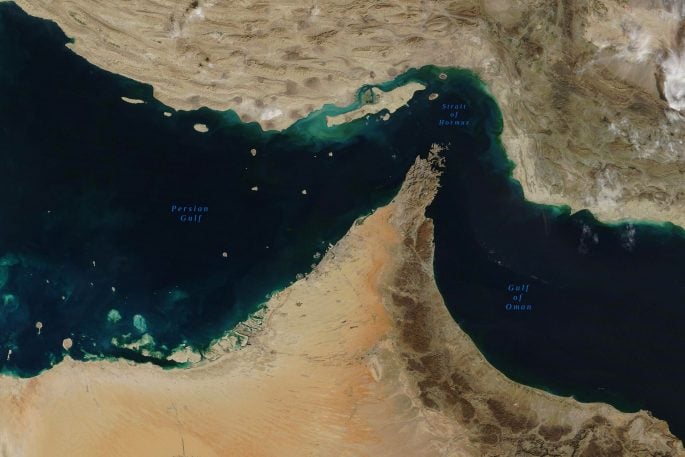
In the Strait of Hormuz ship transit market, the likelihood of 20 ships transiting on any day by May 31 is currently priced at 48% YES, up from 40% a day ago. The market for 60 ships transiting by May 31 is priced at 11% YES, up from 6% a day ago.
## Key Takeaways
– The boarding of an Iranian-flagged tanker by US Marines appears to indicate an escalation in blockade enforcement, which could decrease ship transits in the Strait of Hormuz. – Market pricing suggests a decrease in the likelihood of traffic normalization in the Strait of Hormuz by July 31. – The current market sentiment reflects increased tension, potentially impacting ship movements through the Strait of Hormuz during May.
## Article Body
In a significant development in the ongoing US-Iran tensions, US Marines boarded an Iranian-flagged oil tanker in the Gulf of Oman. This action is part of the United States’ naval blockade that began in April 2026 during the ongoing conflict with Iran. The blockade targets ships entering or leaving Iranian ports. The boarding, representing a direct and kinetic enforcement measure, suggests elevated tensions and a higher level of escalation compared to mere warnings or diversions. The Iranian government has treated such actions as a breach of the ceasefire, further complicating diplomatic engagements between the two nations.
See what prediction markets are pricing into the day's biggest stories.
Daily. Free. Join 34,000+ readers across crypto, finance, and policy.
## Market Interpretation
The market reaction to the US Marines boarding an Iranian-flagged tanker suggests a high impact on the likelihood of ship transits through the Strait of Hormuz. The action is consistent with a scenario where the number of ships willing or able to transit the strait decreases, supportive of a NO outcome for markets expecting 20 or more ships transiting by May 31. The impact is classified as high, reflecting the severity of the situation and the potential for further escalations affecting market dynamics.
## What to Watch
Observers should monitor any further military actions or diplomatic responses from the US and Iran, which could alter the current situation. Key actors to watch include US military leadership and Iranian authorities, as their decisions could influence shipping activities in the region. Additionally, watch for announcements from major shipping companies and insurance providers, which might indicate shifts in transit risk assessments or operational changes in response to the heightened tensions.