
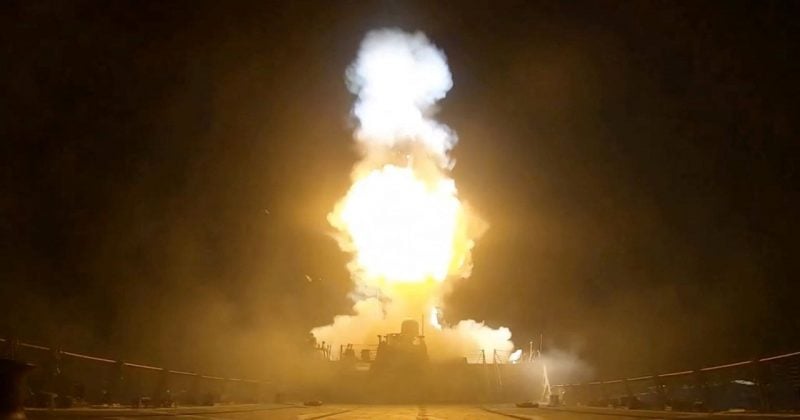
US military launches new strikes on Iran as explosions reported near Shiraz
Fresh airstrikes mark another escalation in a months-long campaign that has already rattled crypto markets and global shipping lanes
When the US military expands its strike campaign against Iran, the ripple effects move through every market that trades on risk sentiment, including crypto.
The latest round of strikes represents a continued escalation in a military campaign that has been running since late February 2026, with no obvious off-ramp in sight.
What happened and how we got here
The current US military campaign against Iran began with joint US-Israeli airstrikes on February 28, 2026, a significant moment that included high-profile Iranian casualties. On July 11, US Central Command executed strikes against approximately 140 Iranian targets in a single day. That brings the total number of strikes during this campaign to over 300.
The Strait of Hormuz is the core strategic concern here. Roughly one-fifth of the world’s oil supply passes through that narrow chokepoint, and Iranian provocations against commercial shipping in the region have been the stated trigger for each successive wave of US military action.
The latest explosions near Shiraz, a major Iranian city well inland from the coast, suggest the geographic scope of the strikes is broader than just coastal or naval infrastructure. White smoke visible on surrounding mountain ranges indicates impacts at elevated positions, though the specific targets have not been confirmed in public statements.
The news moving money, markets, and the world—before your day starts.
Daily. Free. Join 34,000+ readers across crypto, finance, and policy.
How crypto markets have responded to this campaign
After the June 2026 strikes on Iranian targets, Bitcoin fell roughly 2%, sliding toward the $61,000 level.
The May 2026 strike event was sharper. That round of military action contributed to approximately $1 billion in crypto liquidations, with broader digital asset market value declining by an estimated $80 billion in the aftermath.
There is also an oil price dimension. Sustained military operations in and around the Strait of Hormuz create real supply disruption risk in energy markets. Rising oil prices feed into inflation expectations, which in turn affect Federal Reserve rate policy assumptions, which flow into crypto valuations through the risk-free rate channel.
The Iranian crypto economy and what is at stake
Iran has developed a meaningful digital asset economy partly as a response to decades of sanctions, which have cut it off from the international banking system. That economy is estimated to be worth approximately $7.8 billion in 2026.
No specific tokens linked to Iranian actors have surfaced in connection with these events. As of mid-July, detailed reports on events in Shiraz and their impact on the crypto sector remain scarce, indicating the rapidly evolving nature of the situation.