
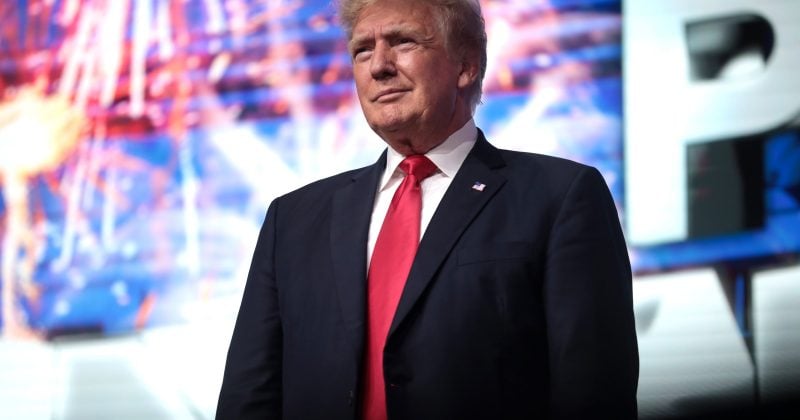
US military strikes Iranian targets as Trump ends ceasefire

https://es.wikipedia.org/wiki/Donald_Trump

US military strikes Iranian targets as Trump ends ceasefire

Iran full airspace closure

The U.S. military has conducted strikes against multiple Iranian targets following President Trump’s declaration that a ceasefire with Iran is over. This development comes amid escalating tensions in the ongoing 2026 Iran War. Targets reportedly included over 80 sites, such as Iranian air defenses and Revolutionary Guard vessels. The ceasefire, initially established on April 8, was a part of Operation Epic Fury, a joint U.S.-Israeli military initiative. The latest military actions are seen as a significant escalation, coinciding with the U.S. revoking Iran’s oil sales waiver and Iran’s retaliatory strikes on U.S. bases in Bahrain and Kuwait.

Advertisement

Key Takeaways

  • Market activity suggests a heightened perception of risk around a potential full closure of Iranian airspace, with a notable increase in pricing supportive of this scenario by July 31.
  • The U.S. military’s actions and President Trump’s statements appear to have influenced market pricing on the likelihood of further escalations, including a potential U.S. invasion of Iran.
  • Current pricing in related markets reflects increased uncertainty and potential geopolitical instability, driven by recent developments and statements from key actors.

What to Watch

Observers should monitor reactions from the Civil Aviation Organization of Iran and any official announcements regarding airspace closures. Further military actions or diplomatic statements from the U.S. and Iran could influence market perceptions. Developments in the Strait of Hormuz and any additional sanctions or military movements by the U.S. may also impact the outlook for related geopolitical markets.

Get prediction market intelligence as a structured API feed. Early access waitlist.

Disclosure: This article was edited by Estefano Gomez. For more information on how we create and review content, see our Editorial Policy.

US military strikes Iranian targets as Trump ends ceasefire

US military strikes Iranian targets as Trump ends ceasefire

Iran full airspace closure

https://es.wikipedia.org/wiki/Donald_Trump

The U.S. military has conducted strikes against multiple Iranian targets following President Trump’s declaration that a ceasefire with Iran is over. This development comes amid escalating tensions in the ongoing 2026 Iran War. Targets reportedly included over 80 sites, such as Iranian air defenses and Revolutionary Guard vessels. The ceasefire, initially established on April 8, was a part of Operation Epic Fury, a joint U.S.-Israeli military initiative. The latest military actions are seen as a significant escalation, coinciding with the U.S. revoking Iran’s oil sales waiver and Iran’s retaliatory strikes on U.S. bases in Bahrain and Kuwait.

Advertisement

Key Takeaways

  • Market activity suggests a heightened perception of risk around a potential full closure of Iranian airspace, with a notable increase in pricing supportive of this scenario by July 31.
  • The U.S. military’s actions and President Trump’s statements appear to have influenced market pricing on the likelihood of further escalations, including a potential U.S. invasion of Iran.
  • Current pricing in related markets reflects increased uncertainty and potential geopolitical instability, driven by recent developments and statements from key actors.

What to Watch

Observers should monitor reactions from the Civil Aviation Organization of Iran and any official announcements regarding airspace closures. Further military actions or diplomatic statements from the U.S. and Iran could influence market perceptions. Developments in the Strait of Hormuz and any additional sanctions or military movements by the U.S. may also impact the outlook for related geopolitical markets.

Get prediction market intelligence as a structured API feed. Early access waitlist.

Disclosure: This article was edited by Estefano Gomez. For more information on how we create and review content, see our Editorial Policy.