
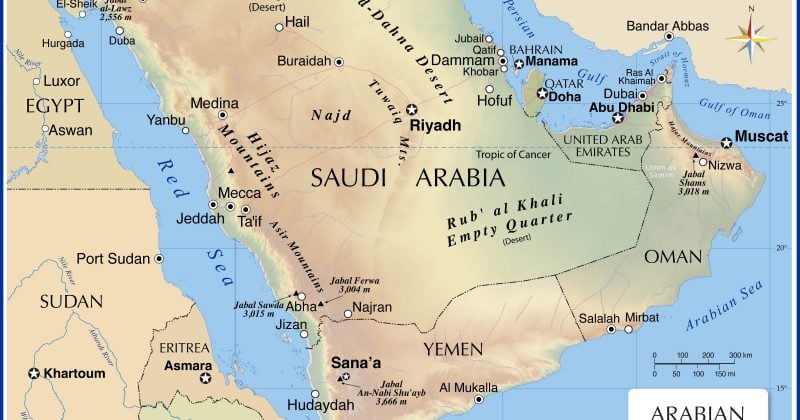
US military targets Iranian capabilities to secure Arabian Gulf oil flow

https://www.nationsonline.org/oneworld/map/Arabia-Map.htm

US military targets Iranian capabilities to secure Arabian Gulf oil flow

WTI crude oil prices in July 2026

The U.S. military is actively working to secure the uninterrupted flow of oil and gas from the Arabian Gulf by targeting and degrading Iranian military capabilities, according to a recent statement by Secretary Wright. This effort comes amid heightened tensions stemming from a U.S.-Israeli conflict with Iran, which has led to the effective closure of the Strait of Hormuz, a critical chokepoint for global oil supply. As the U.S. military ramps up operations, oil exports from the region have shown signs of recovery, although they remain below pre-conflict levels.

Advertisement

Markets appear to interpret these developments as potentially decreasing geopolitical risks, which could influence oil prices. In particular, the likelihood of WTI Crude Oil reaching higher price targets in July has seen notable changes, with market participants now assigning a 32.8% probability for prices to hit $90, up significantly from previous weeks. Conversely, the probability of the Strait of Hormuz returning to normal traffic levels by the end of July has decreased, reflecting ongoing concerns about persistent regional instability.

Key Takeaways

  • Market pricing suggests a potential increase in WTI Crude Oil prices, with a 32.8% probability assigned to prices reaching $90 in July.
  • The assurance of U.S. military action appears to have decreased the likelihood of normal traffic through the Strait of Hormuz by July 31, as indicated by a drop to 1.8% YES.
  • The situation remains fluid, with continued military engagement in the region potentially affecting both oil supply dynamics and market outlooks.

What to Watch

Watch for any further announcements from the U.S. military or Iranian government that could impact oil flow security or Strait of Hormuz access. Developments such as increased oil exports by regional actors like Saudi Arabia or new military engagements could influence market pricing. Additionally, updates from organizations like OPEC+ or the International Energy Agency may provide further context on supply adjustments and demand forecasts, impacting market expectations for oil price movements.

Get live prediction-market analysis, powered by Vera. Sign up for Vera.

Disclosure: This article was edited by Estefano Gomez. For more information on how we create and review content, see our Editorial Policy.

US military targets Iranian capabilities to secure Arabian Gulf oil flow

US military targets Iranian capabilities to secure Arabian Gulf oil flow

WTI crude oil prices in July 2026

https://www.nationsonline.org/oneworld/map/Arabia-Map.htm

The U.S. military is actively working to secure the uninterrupted flow of oil and gas from the Arabian Gulf by targeting and degrading Iranian military capabilities, according to a recent statement by Secretary Wright. This effort comes amid heightened tensions stemming from a U.S.-Israeli conflict with Iran, which has led to the effective closure of the Strait of Hormuz, a critical chokepoint for global oil supply. As the U.S. military ramps up operations, oil exports from the region have shown signs of recovery, although they remain below pre-conflict levels.

Advertisement

Markets appear to interpret these developments as potentially decreasing geopolitical risks, which could influence oil prices. In particular, the likelihood of WTI Crude Oil reaching higher price targets in July has seen notable changes, with market participants now assigning a 32.8% probability for prices to hit $90, up significantly from previous weeks. Conversely, the probability of the Strait of Hormuz returning to normal traffic levels by the end of July has decreased, reflecting ongoing concerns about persistent regional instability.

Key Takeaways

  • Market pricing suggests a potential increase in WTI Crude Oil prices, with a 32.8% probability assigned to prices reaching $90 in July.
  • The assurance of U.S. military action appears to have decreased the likelihood of normal traffic through the Strait of Hormuz by July 31, as indicated by a drop to 1.8% YES.
  • The situation remains fluid, with continued military engagement in the region potentially affecting both oil supply dynamics and market outlooks.

What to Watch

Watch for any further announcements from the U.S. military or Iranian government that could impact oil flow security or Strait of Hormuz access. Developments such as increased oil exports by regional actors like Saudi Arabia or new military engagements could influence market pricing. Additionally, updates from organizations like OPEC+ or the International Energy Agency may provide further context on supply adjustments and demand forecasts, impacting market expectations for oil price movements.

Get live prediction-market analysis, powered by Vera. Sign up for Vera.

Disclosure: This article was edited by Estefano Gomez. For more information on how we create and review content, see our Editorial Policy.