The U.S. Department of the Treasury reported that the bid-to-cover ratio for the 6-month bills has increased to 3.11, up from a previous 3.050. This reflects stronger demand for government securities amid current market conditions. Concurrently, the high yield for these bills reached 3.86%, slightly up from 3.830%. In contrast, the 3-month bills saw their high yield climb to 3.76%, from a previous 3.735%, with a bid-to-cover ratio rising to 2.84 from 2.580. These metrics suggest a tightening financial environment, potentially impacting broader economic activities, including maritime operations in sensitive regions like the Strait of Hormuz, where geopolitical tensions continue to play a significant role.
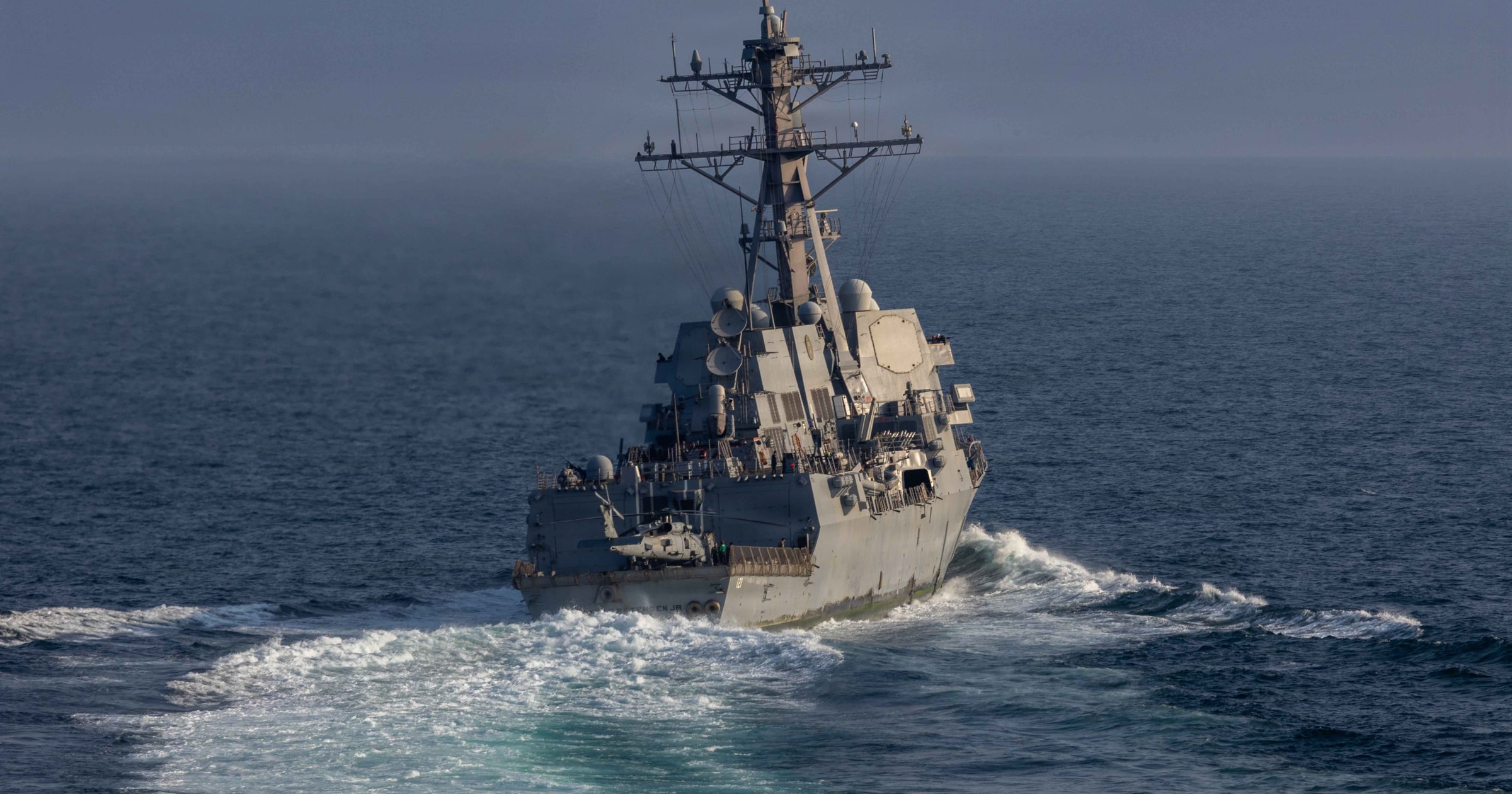
The ongoing U.S. naval blockade against Iran, part of the broader 2026 Iran War context, is influencing market perceptions. The blockade is enforced by the U.S. Central Command and aims to control maritime traffic in key areas. Despite the legal requirement to provide a 24-hour notification to ship owners, this military strategy underscores the geopolitical risks affecting shipping routes, including the Strait of Hormuz. Market reactions suggest a perceived decrease in ship transits through this strategic chokepoint, aligning with increased yields and bid-to-cover ratios for U.S. Treasury bills.
Key Takeaways
- The rise in the U.S. 6-month bill bid-to-cover ratio to 3.11 suggests increased demand for government securities.
- Higher yields on U.S. Treasury bills indicate a tightening financial atmosphere, potentially impacting shipping activities.
- Current market pricing reflects expectations of reduced ship transits through the Strait of Hormuz, consistent with geopolitical tensions.
What to Watch
Observers should monitor further developments in the U.S. naval blockade against Iran, as any shifts in enforcement or diplomatic negotiations could alter market expectations. The impact of rising Treasury yields on broader economic activities, including shipping costs, is also crucial. Markets may reflect signs of geopolitical resolution or escalation that could affect future trends in ship transits through critical maritime routes like the Strait of Hormuz.