
US naval blockade on Iranian ports sends ripple effects through crypto and energy markets

US naval blockade on Iranian ports sends ripple effects through crypto and energy markets

The reinstated maritime enforcement around the Strait of Hormuz is already spawning Bitcoin-denominated scams and raising questions about oil-driven volatility in digital assets.

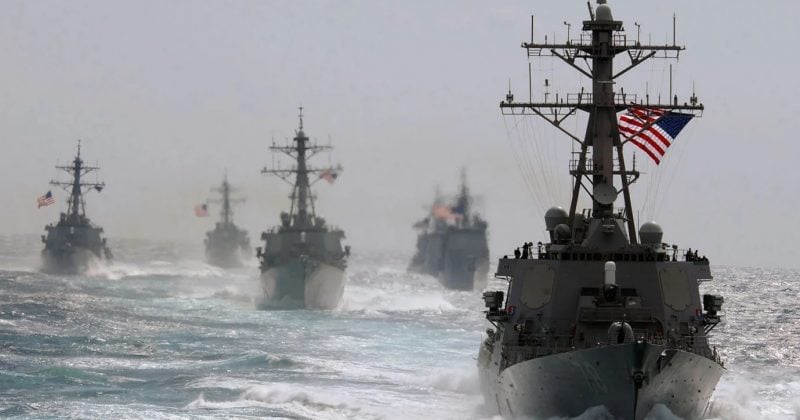
The US military is back to blocking Iranian ports. US Central Command announced on July 13 that a naval blockade would resume on July 14, 2026, at approximately 4pm ET, ending a roughly 60-day ceasefire that began when the prior enforcement was lifted on June 18. The move applies to all shipping traffic regardless of flag.

What’s happening and why it matters

This is the second operational phase of the blockade in 2026. The first ran from April 13 to June 18, during which the US military disabled at least nine vessels for violations, with fatalities reported. Iran’s crude exports sat at approximately 1.84 million barrels per day as of March 2026, and the prior blockade reportedly cost the country hundreds of millions to billions of dollars in daily oil revenue.

The renewed enforcement follows a breakdown of the Islamabad Talks, which were tied to the broader 2026 Iran conflict.

Advertisement

President Trump has framed the US as the “guardian” of the Strait of Hormuz, roughly 21 miles wide at its narrowest point. He’s also proposed a security charge of 20% of a commercial ship’s cargo value for transit through the area.

Bitcoin scams and crypto market jitters

Scammers have started demanding Bitcoin or USDT from vessels in the region, claiming the payments are required for clearance fees around the Strait of Hormuz.

During the first blockade phase from April through June, Bitcoin and other digital assets experienced notable price fluctuations as Brent crude prices reacted to supply concerns.

What crypto investors should be watching

The 20% cargo surcharge proposal deserves close monitoring. If implemented broadly, it would function as a structural repricing of global shipping costs through the Gulf, not just a temporary disruption.

The scam activity targeting vessels with crypto payment demands signals that bad actors view periods of geopolitical chaos as prime hunting ground for crypto-denominated fraud. Regulatory scrutiny of digital asset use in sanctioned regions tends to intensify during these episodes, which could bring additional compliance pressure to exchanges and stablecoin issuers.

Disclosure: This article was edited by Editorial Team. For more information on how we create and review content, see our Editorial Policy.

US naval blockade on Iranian ports sends ripple effects through crypto and energy markets

US naval blockade on Iranian ports sends ripple effects through crypto and energy markets

The reinstated maritime enforcement around the Strait of Hormuz is already spawning Bitcoin-denominated scams and raising questions about oil-driven volatility in digital assets.

The US military is back to blocking Iranian ports. US Central Command announced on July 13 that a naval blockade would resume on July 14, 2026, at approximately 4pm ET, ending a roughly 60-day ceasefire that began when the prior enforcement was lifted on June 18. The move applies to all shipping traffic regardless of flag.

What’s happening and why it matters

This is the second operational phase of the blockade in 2026. The first ran from April 13 to June 18, during which the US military disabled at least nine vessels for violations, with fatalities reported. Iran’s crude exports sat at approximately 1.84 million barrels per day as of March 2026, and the prior blockade reportedly cost the country hundreds of millions to billions of dollars in daily oil revenue.

The renewed enforcement follows a breakdown of the Islamabad Talks, which were tied to the broader 2026 Iran conflict.

Advertisement

President Trump has framed the US as the “guardian” of the Strait of Hormuz, roughly 21 miles wide at its narrowest point. He’s also proposed a security charge of 20% of a commercial ship’s cargo value for transit through the area.

Bitcoin scams and crypto market jitters

Scammers have started demanding Bitcoin or USDT from vessels in the region, claiming the payments are required for clearance fees around the Strait of Hormuz.

During the first blockade phase from April through June, Bitcoin and other digital assets experienced notable price fluctuations as Brent crude prices reacted to supply concerns.

What crypto investors should be watching

The 20% cargo surcharge proposal deserves close monitoring. If implemented broadly, it would function as a structural repricing of global shipping costs through the Gulf, not just a temporary disruption.

The scam activity targeting vessels with crypto payment demands signals that bad actors view periods of geopolitical chaos as prime hunting ground for crypto-denominated fraud. Regulatory scrutiny of digital asset use in sanctioned regions tends to intensify during these episodes, which could bring additional compliance pressure to exchanges and stablecoin issuers.

Disclosure: This article was edited by Editorial Team. For more information on how we create and review content, see our Editorial Policy.