
US government maxes out oil reserves as Trump vows control over Strait of Hormuz

US government maxes out oil reserves as Trump vows control over Strait of Hormuz

A 20% toll on the world's most critical oil chokepoint, combined with dangerously low strategic reserves, is setting up a perfect storm for energy markets and crypto alike.

President Trump declared on July 13 that the US would act as the “guardian” of the Strait of Hormuz, announcing plans to charge a 20% toll on all cargo passing through the narrow waterway while simultaneously renewing a blockade against Iran. The problem: the US Strategic Petroleum Reserve is sitting at precariously low levels, plagued by equipment failures and leaks.

The toll booth at the end of the world

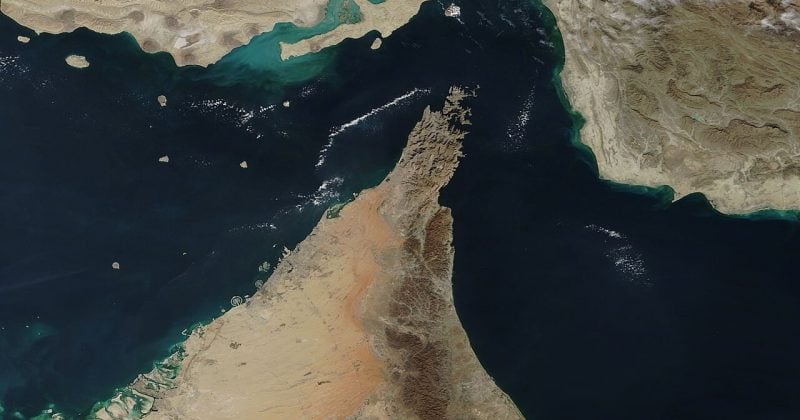
The Strait of Hormuz is roughly 21 miles wide at its narrowest point. It handles a massive share of the global oil trade, making it arguably the single most consequential bottleneck in the world economy.

Trump’s announcement, made via Truth Social and expanded upon during a Fox News interview, frames the toll as a “safety and security” measure. The 20% levy on all cargo transiting the strait would represent an extraordinary assertion of control over international shipping lanes.

Advertisement

Iran has rejected the US claims outright. Exchanges of fire and threats between the two nations continue, and diplomatic channels appear to be fraying rather than strengthening.

A strategic reserve running on fumes

The SPR is reportedly at alarmingly low levels. Equipment failures, leaks, and spills have compounded the problem, and reports indicate the administration has been drawing down reserves more aggressively as tensions with Iran have escalated.

The SPR was created after the 1973 oil embargo specifically to prevent the US from being held hostage by foreign energy disruptions. Its depletion at this particular moment undercuts one of the core tools the government has to stabilize domestic energy markets during a crisis.

What this means for crypto and broader markets

For traders, the immediate concern is volatility. Stablecoin demand typically increases during periods of acute geopolitical stress as traders move to the sidelines, which could temporarily boost volumes on major exchanges even as spot prices for Bitcoin and altcoins whipsaw.

Investors should watch three things closely: the price of Brent crude, any further drawdowns from the Strategic Petroleum Reserve, and the tone of Iran’s military response.

Disclosure: This article was edited by Editorial Team. For more information on how we create and review content, see our Editorial Policy.

US government maxes out oil reserves as Trump vows control over Strait of Hormuz

US government maxes out oil reserves as Trump vows control over Strait of Hormuz

A 20% toll on the world's most critical oil chokepoint, combined with dangerously low strategic reserves, is setting up a perfect storm for energy markets and crypto alike.

President Trump declared on July 13 that the US would act as the “guardian” of the Strait of Hormuz, announcing plans to charge a 20% toll on all cargo passing through the narrow waterway while simultaneously renewing a blockade against Iran. The problem: the US Strategic Petroleum Reserve is sitting at precariously low levels, plagued by equipment failures and leaks.

The toll booth at the end of the world

The Strait of Hormuz is roughly 21 miles wide at its narrowest point. It handles a massive share of the global oil trade, making it arguably the single most consequential bottleneck in the world economy.

Trump’s announcement, made via Truth Social and expanded upon during a Fox News interview, frames the toll as a “safety and security” measure. The 20% levy on all cargo transiting the strait would represent an extraordinary assertion of control over international shipping lanes.

Advertisement

Iran has rejected the US claims outright. Exchanges of fire and threats between the two nations continue, and diplomatic channels appear to be fraying rather than strengthening.

A strategic reserve running on fumes

The SPR is reportedly at alarmingly low levels. Equipment failures, leaks, and spills have compounded the problem, and reports indicate the administration has been drawing down reserves more aggressively as tensions with Iran have escalated.

The SPR was created after the 1973 oil embargo specifically to prevent the US from being held hostage by foreign energy disruptions. Its depletion at this particular moment undercuts one of the core tools the government has to stabilize domestic energy markets during a crisis.

What this means for crypto and broader markets

For traders, the immediate concern is volatility. Stablecoin demand typically increases during periods of acute geopolitical stress as traders move to the sidelines, which could temporarily boost volumes on major exchanges even as spot prices for Bitcoin and altcoins whipsaw.

Investors should watch three things closely: the price of Brent crude, any further drawdowns from the Strategic Petroleum Reserve, and the tone of Iran’s military response.

Disclosure: This article was edited by Editorial Team. For more information on how we create and review content, see our Editorial Policy.