
Nexo Earn with Nexo
US emergency oil stockpile falls to lowest level since Reagan era

US emergency oil stockpile falls to lowest level since Reagan era

The Strategic Petroleum Reserve has dropped to 349.2 million barrels as the US-Iran conflict forces weekly draws of up to 9 million barrels

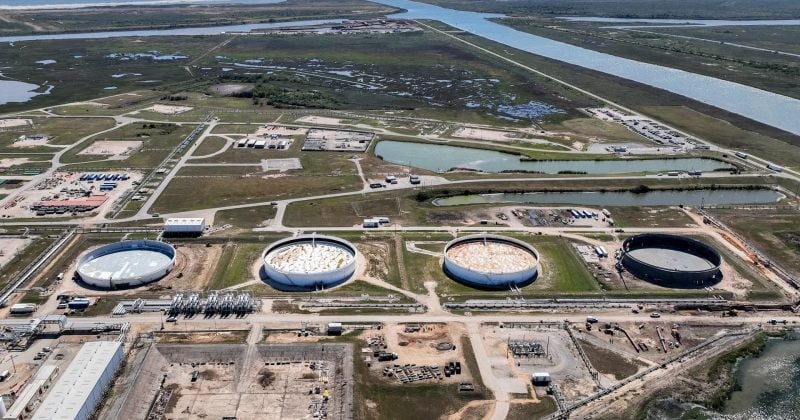
America’s oil safety net is getting dangerously thin. The Strategic Petroleum Reserve, the country’s emergency crude stockpile managed by the Department of Energy, has fallen to 349.2 million barrels as of the week ending June 5, 2026. That’s the lowest level in three years and approaching territory not seen since the Reagan administration in the early 1980s.

To put that number in context: the SPR once held nearly 600 million barrels in the early 1990s. It’s now sitting at roughly 58% of that peak.

What’s draining the reserve

The culprit is the escalating US-Iran conflict, which has triggered a sustained campaign of emergency releases since March 2026. Between 50 and 66 million barrels have been drawn from the reserve over that period, with current weekly depletion rates running at an estimated 7 to 9 million barrels.

Advertisement

At that pace, another week or two would push the stockpile below its previous modern low of 346.7 million barrels, set in July 2023 during the Biden administration’s own round of releases.

The SPR was established in response to the 1973-74 Arab oil embargo as a buffer against acute supply shocks. Its first barrels arrived in 1977, and over the following decades it was tapped during genuinely extraordinary moments: the Gulf War, Hurricane Katrina, and similar disruptions to global oil flows.

A reserve that keeps getting smaller

The Biden administration authorized substantial releases from the SPR in 2022 following Russia’s invasion of Ukraine, eventually pushing the stockpile to that July 2023 low of 346.7 million barrels. The reserve never came close to recovering its pre-2022 levels before the current geopolitical crisis forced the spigots open again.

Drawing 50 to 66 million barrels in roughly three months represents one of the most aggressive release campaigns in the reserve’s history. The weekly draw rate of 7 to 9 million barrels is a significant operational tempo for a stockpile that was designed as a last resort.

What this means for investors

Experts are warning about significant upward pressure on gasoline prices as reserves approach these multi-decade lows. Every weekly inventory report from the Department of Energy now becomes a market-moving data point, because the gap between current levels and the all-time modern low is measured in single-digit millions of barrels.

Higher gasoline prices feed directly into consumer spending patterns, transportation costs, and overall inflation metrics, creating headwinds for consumer-facing sectors and complicating Federal Reserve policy calculations.

At some point, the government has to stop drawing and start buying to refill, and buying crude on the open market when prices are elevated is the most expensive way to rebuild a strategic stockpile. If the stockpile breaks below 346.7 million barrels, that’s uncharted territory for the modern era.

Disclosure: This article was edited by Editorial Team. For more information on how we create and review content, see our Editorial Policy.

US emergency oil stockpile falls to lowest level since Reagan era

US emergency oil stockpile falls to lowest level since Reagan era

The Strategic Petroleum Reserve has dropped to 349.2 million barrels as the US-Iran conflict forces weekly draws of up to 9 million barrels

America’s oil safety net is getting dangerously thin. The Strategic Petroleum Reserve, the country’s emergency crude stockpile managed by the Department of Energy, has fallen to 349.2 million barrels as of the week ending June 5, 2026. That’s the lowest level in three years and approaching territory not seen since the Reagan administration in the early 1980s.

To put that number in context: the SPR once held nearly 600 million barrels in the early 1990s. It’s now sitting at roughly 58% of that peak.

What’s draining the reserve

The culprit is the escalating US-Iran conflict, which has triggered a sustained campaign of emergency releases since March 2026. Between 50 and 66 million barrels have been drawn from the reserve over that period, with current weekly depletion rates running at an estimated 7 to 9 million barrels.

Advertisement

At that pace, another week or two would push the stockpile below its previous modern low of 346.7 million barrels, set in July 2023 during the Biden administration’s own round of releases.

The SPR was established in response to the 1973-74 Arab oil embargo as a buffer against acute supply shocks. Its first barrels arrived in 1977, and over the following decades it was tapped during genuinely extraordinary moments: the Gulf War, Hurricane Katrina, and similar disruptions to global oil flows.

A reserve that keeps getting smaller

The Biden administration authorized substantial releases from the SPR in 2022 following Russia’s invasion of Ukraine, eventually pushing the stockpile to that July 2023 low of 346.7 million barrels. The reserve never came close to recovering its pre-2022 levels before the current geopolitical crisis forced the spigots open again.

Drawing 50 to 66 million barrels in roughly three months represents one of the most aggressive release campaigns in the reserve’s history. The weekly draw rate of 7 to 9 million barrels is a significant operational tempo for a stockpile that was designed as a last resort.

What this means for investors

Experts are warning about significant upward pressure on gasoline prices as reserves approach these multi-decade lows. Every weekly inventory report from the Department of Energy now becomes a market-moving data point, because the gap between current levels and the all-time modern low is measured in single-digit millions of barrels.

Higher gasoline prices feed directly into consumer spending patterns, transportation costs, and overall inflation metrics, creating headwinds for consumer-facing sectors and complicating Federal Reserve policy calculations.

At some point, the government has to stop drawing and start buying to refill, and buying crude on the open market when prices are elevated is the most expensive way to rebuild a strategic stockpile. If the stockpile breaks below 346.7 million barrels, that’s uncharted territory for the modern era.

Disclosure: This article was edited by Editorial Team. For more information on how we create and review content, see our Editorial Policy.