
US strategic petroleum reserve drops to lowest level since 1983, and crypto markets are paying attention

US strategic petroleum reserve drops to lowest level since 1983, and crypto markets are paying attention

A 3-million-barrel drawdown brings SPR stocks to 316.5 million barrels, raising liquidity concerns that ripple from oil markets into digital assets.

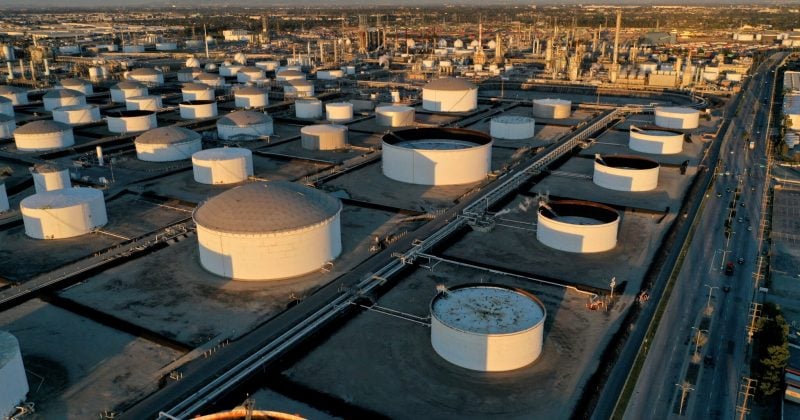
The US Strategic Petroleum Reserve just hit a level not seen since Ronald Reagan was in his first term. Inventories fell by roughly 3 million barrels last week, landing at 316.5 million barrels, a number that would have seemed unthinkable a decade ago when the reserve held more than twice that amount.

What’s happening with the SPR

The Strategic Petroleum Reserve was created in response to the Arab oil embargo that left Americans waiting in gas lines. At its peak, the SPR held around 727 million barrels. At 316.5 million barrels, we’re looking at reserves that have been cut by more than half from their historical highs.

With reserves at 1983 levels, the government has fewer options during a supply crisis. In a world where geopolitical tensions can disrupt oil supply chains with little warning, a thin reserve means less room to absorb shocks without prices spiking.

Advertisement

The liquidity connection to crypto

According to CoinDesk, nearly $5 billion exited US spot Bitcoin exchange-traded funds during Q2 2026. That’s not a rounding error. It’s a meaningful retreat from the vehicles that were supposed to bring institutional capital permanently into the crypto ecosystem.

QCP Capital drew a direct line between the SPR depletion and broader liquidity concerns across multiple asset classes. Their analysis framed the shrinking petroleum reserve as one indicator among several that the economic buffers investors rely on, whether physical oil stockpiles or monetary policy flexibility, are getting thinner across the board.

Why energy prices matter for Bitcoin

Bitcoin mining is an energy-intensive process. When oil prices rise, electricity costs tend to follow, squeezing miner margins and potentially reducing network hash rate if smaller operators can’t stay profitable.

If energy prices surge because the SPR can’t absorb supply disruptions, the Fed faces a familiar dilemma: tolerate higher inflation or tighten monetary policy further. Recent evidence from the $5 billion in ETF outflows suggests the market is leaning toward a risk-off posture, at least for now.

Investors should watch crude oil prices and SPR data releases as leading indicators for crypto market conditions.

Disclosure: This article was edited by Editorial Team. For more information on how we create and review content, see our Editorial Policy.

US strategic petroleum reserve drops to lowest level since 1983, and crypto markets are paying attention

US strategic petroleum reserve drops to lowest level since 1983, and crypto markets are paying attention

A 3-million-barrel drawdown brings SPR stocks to 316.5 million barrels, raising liquidity concerns that ripple from oil markets into digital assets.

The US Strategic Petroleum Reserve just hit a level not seen since Ronald Reagan was in his first term. Inventories fell by roughly 3 million barrels last week, landing at 316.5 million barrels, a number that would have seemed unthinkable a decade ago when the reserve held more than twice that amount.

What’s happening with the SPR

The Strategic Petroleum Reserve was created in response to the Arab oil embargo that left Americans waiting in gas lines. At its peak, the SPR held around 727 million barrels. At 316.5 million barrels, we’re looking at reserves that have been cut by more than half from their historical highs.

With reserves at 1983 levels, the government has fewer options during a supply crisis. In a world where geopolitical tensions can disrupt oil supply chains with little warning, a thin reserve means less room to absorb shocks without prices spiking.

Advertisement

The liquidity connection to crypto

According to CoinDesk, nearly $5 billion exited US spot Bitcoin exchange-traded funds during Q2 2026. That’s not a rounding error. It’s a meaningful retreat from the vehicles that were supposed to bring institutional capital permanently into the crypto ecosystem.

QCP Capital drew a direct line between the SPR depletion and broader liquidity concerns across multiple asset classes. Their analysis framed the shrinking petroleum reserve as one indicator among several that the economic buffers investors rely on, whether physical oil stockpiles or monetary policy flexibility, are getting thinner across the board.

Why energy prices matter for Bitcoin

Bitcoin mining is an energy-intensive process. When oil prices rise, electricity costs tend to follow, squeezing miner margins and potentially reducing network hash rate if smaller operators can’t stay profitable.

If energy prices surge because the SPR can’t absorb supply disruptions, the Fed faces a familiar dilemma: tolerate higher inflation or tighten monetary policy further. Recent evidence from the $5 billion in ETF outflows suggests the market is leaning toward a risk-off posture, at least for now.

Investors should watch crude oil prices and SPR data releases as leading indicators for crypto market conditions.

Disclosure: This article was edited by Editorial Team. For more information on how we create and review content, see our Editorial Policy.