
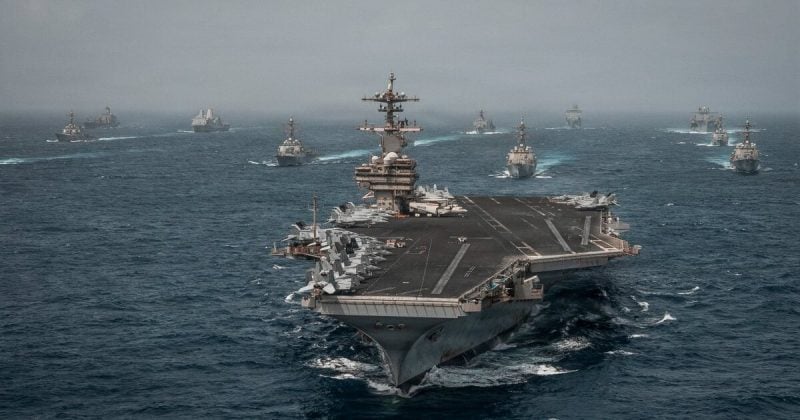
US reinstates naval blockade on Iranian ports amid Strait of Hormuz crisis

https://www.wmar2news.com/us-news/iran-war/us-reinstates-iranian-blockade-in-the-strait-of-hormuz-amid-ongoing-strikes

US reinstates naval blockade on Iranian ports amid Strait of Hormuz crisis

US end of Iranian blockade

The United States has reinstated a naval blockade on Iranian ports, a strategic move aimed at escalating economic pressure on Iran amid ongoing tensions in the region. This development comes after the failure of the Islamabad Talks and follows a brief period when the blockade was lifted. The blockade is part of the broader 2026 Strait of Hormuz crisis, which began earlier this year when the US and Israel initiated an air campaign against Iran. The blockade’s impact is already being felt in prediction markets, with significant shifts in the probabilities of the blockade ending soon.

Market data reflects a decrease in the likelihood of the US announcing an end to the blockade by July 24, 2026, with probabilities dropping from 8% to 6.5% over the past 24 hours. Similarly, the odds for a resolution by July 31, 2026, have declined from 16% to 12.5%. The August 15, 2026, market also saw a decrease in likelihood from 28% to 25.5%. These shifts suggest that market participants view the reimposition of the blockade as a substantial obstacle to an early resolution.

Advertisement

The situation in the Strait of Hormuz remains tense, with the probability of traffic normalization by August 31, 2026, dropping from 12% to 11.5%. The blockade’s reimposition underscores the ongoing volatility and uncertainty in the region, affecting both geopolitical stability and energy markets.

Key Takeaways

  • The reimposition of the naval blockade appears to have reduced market confidence in an early end to the US blockade of Iranian ports.
  • Market pricing suggests a significant decrease in the likelihood of the blockade ending by July 24, 2026, with a drop to 6.5% YES.
  • The ongoing crisis in the Strait of Hormuz indicates persistent uncertainty, with traffic normalization probabilities decreasing to 11.5% YES by August 31, 2026.

What to Watch

Observers should monitor statements from US and Iranian officials for any indications of a potential shift in strategy. A public statement from President Trump or a significant diplomatic breakthrough could affect market expectations. Additionally, any military developments in the region or changes in the enforcement of the blockade by US Central Command could further influence market dynamics. Key dates to watch include July 24, July 31, and August 15, when changes in market pricing could reflect new geopolitical developments.

Get live prediction-market analysis, powered by Vera. Sign up for Vera.

Disclosure: This article was edited by Estefano Gomez. For more information on how we create and review content, see our Editorial Policy.

US reinstates naval blockade on Iranian ports amid Strait of Hormuz crisis

US reinstates naval blockade on Iranian ports amid Strait of Hormuz crisis

US end of Iranian blockade

https://www.wmar2news.com/us-news/iran-war/us-reinstates-iranian-blockade-in-the-strait-of-hormuz-amid-ongoing-strikes

The United States has reinstated a naval blockade on Iranian ports, a strategic move aimed at escalating economic pressure on Iran amid ongoing tensions in the region. This development comes after the failure of the Islamabad Talks and follows a brief period when the blockade was lifted. The blockade is part of the broader 2026 Strait of Hormuz crisis, which began earlier this year when the US and Israel initiated an air campaign against Iran. The blockade’s impact is already being felt in prediction markets, with significant shifts in the probabilities of the blockade ending soon.

Market data reflects a decrease in the likelihood of the US announcing an end to the blockade by July 24, 2026, with probabilities dropping from 8% to 6.5% over the past 24 hours. Similarly, the odds for a resolution by July 31, 2026, have declined from 16% to 12.5%. The August 15, 2026, market also saw a decrease in likelihood from 28% to 25.5%. These shifts suggest that market participants view the reimposition of the blockade as a substantial obstacle to an early resolution.

Advertisement

The situation in the Strait of Hormuz remains tense, with the probability of traffic normalization by August 31, 2026, dropping from 12% to 11.5%. The blockade’s reimposition underscores the ongoing volatility and uncertainty in the region, affecting both geopolitical stability and energy markets.

Key Takeaways

  • The reimposition of the naval blockade appears to have reduced market confidence in an early end to the US blockade of Iranian ports.
  • Market pricing suggests a significant decrease in the likelihood of the blockade ending by July 24, 2026, with a drop to 6.5% YES.
  • The ongoing crisis in the Strait of Hormuz indicates persistent uncertainty, with traffic normalization probabilities decreasing to 11.5% YES by August 31, 2026.

What to Watch

Observers should monitor statements from US and Iranian officials for any indications of a potential shift in strategy. A public statement from President Trump or a significant diplomatic breakthrough could affect market expectations. Additionally, any military developments in the region or changes in the enforcement of the blockade by US Central Command could further influence market dynamics. Key dates to watch include July 24, July 31, and August 15, when changes in market pricing could reflect new geopolitical developments.

Get live prediction-market analysis, powered by Vera. Sign up for Vera.

Disclosure: This article was edited by Estefano Gomez. For more information on how we create and review content, see our Editorial Policy.