
Nexo Earn with Nexo
US government imposes sanctions on Cuban president Miguel Díaz-Canel

US government imposes sanctions on Cuban president Miguel Díaz-Canel

The Treasury Department targeted Cuba's president, his wife, and five regime-linked entities as part of a broader pressure campaign on Havana.

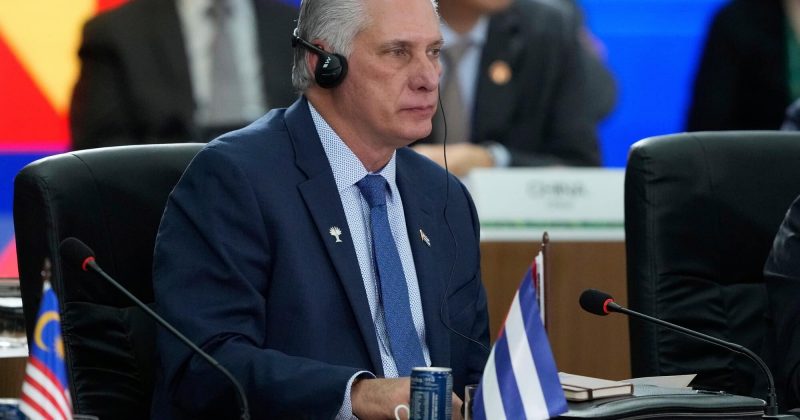
The US Treasury Department’s Office of Foreign Assets Control (OFAC) announced sanctions on June 4-5, 2026, targeting Cuban President Miguel Díaz-Canel, his wife Lis Cuesta Peraza, and five entities closely tied to the Cuban government.

Among the sanctioned entities is the Ministry of the Revolutionary Armed Forces, along with members of the Castro family who continue to hold influence within Cuba’s power structure.

Advertisement

A pattern of escalation throughout 2026

These sanctions did not arrive in a vacuum. On May 1, 2026, an executive order was signed that focused specifically on repression and what the administration characterized as threats to national security emanating from the Cuban regime.

Cuba’s response and historical context

Cuban officials condemned the sanctions. The US-Cuba relationship has been defined by this cycle for more than sixty years. The brief thaw during the Obama administration now looks like a historical anomaly rather than a trend.

Cuba’s economy has been under severe strain for years. The country faces persistent shortages of food, fuel, and medicine. Power outages are routine. Inflation has eroded purchasing power for ordinary Cubans.

What this means for crypto investors

There are no blockchain-related designations in this round of sanctions, no crypto exchange connections, and no wallet addresses flagged by OFAC as part of this action.

OFAC has, in previous enforcement actions against other countries, specifically targeted cryptocurrency wallets and digital asset infrastructure. The fact that this Cuban sanctions package does not include any such measures suggests that the US government has not identified significant crypto-based sanctions evasion tied to the Díaz-Canel regime.

Disclosure: This article was edited by Editorial Team. For more information on how we create and review content, see our Editorial Policy.

US government imposes sanctions on Cuban president Miguel Díaz-Canel

US government imposes sanctions on Cuban president Miguel Díaz-Canel

The Treasury Department targeted Cuba's president, his wife, and five regime-linked entities as part of a broader pressure campaign on Havana.

The US Treasury Department’s Office of Foreign Assets Control (OFAC) announced sanctions on June 4-5, 2026, targeting Cuban President Miguel Díaz-Canel, his wife Lis Cuesta Peraza, and five entities closely tied to the Cuban government.

Among the sanctioned entities is the Ministry of the Revolutionary Armed Forces, along with members of the Castro family who continue to hold influence within Cuba’s power structure.

Advertisement

A pattern of escalation throughout 2026

These sanctions did not arrive in a vacuum. On May 1, 2026, an executive order was signed that focused specifically on repression and what the administration characterized as threats to national security emanating from the Cuban regime.

Cuba’s response and historical context

Cuban officials condemned the sanctions. The US-Cuba relationship has been defined by this cycle for more than sixty years. The brief thaw during the Obama administration now looks like a historical anomaly rather than a trend.

Cuba’s economy has been under severe strain for years. The country faces persistent shortages of food, fuel, and medicine. Power outages are routine. Inflation has eroded purchasing power for ordinary Cubans.

What this means for crypto investors

There are no blockchain-related designations in this round of sanctions, no crypto exchange connections, and no wallet addresses flagged by OFAC as part of this action.

OFAC has, in previous enforcement actions against other countries, specifically targeted cryptocurrency wallets and digital asset infrastructure. The fact that this Cuban sanctions package does not include any such measures suggests that the US government has not identified significant crypto-based sanctions evasion tied to the Díaz-Canel regime.

Disclosure: This article was edited by Editorial Team. For more information on how we create and review content, see our Editorial Policy.