
US Soccer Federation’s overhaul draws Arsène Wenger praise, but crypto-sports integration remains on the sidelines

US Soccer Federation’s overhaul draws Arsène Wenger praise, but crypto-sports integration remains on the sidelines

The USSF's new Pathway Strategy tackles youth development costs ahead of the 2026 World Cup, while the sports tokenization opportunity stays untouched

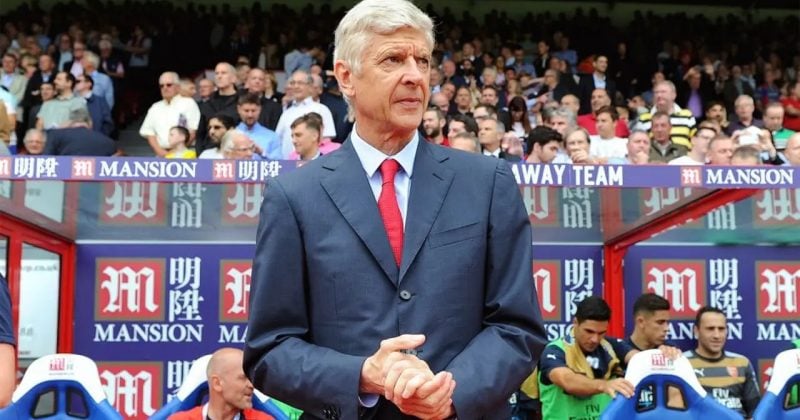
The US Soccer Federation just did something unusual for a major American sports governing body: it asked for outside help and actually listened. Arsène Wenger, the legendary former Arsenal manager who now serves as FIFA’s Chief of Global Football Development, has publicly praised the USSF’s new Pathway Strategy for confronting structural problems that have plagued American soccer for decades.

The strategy, launched on November 20-21, 2025, takes direct aim at the pay-to-play model that has long been the sport’s most embarrassing open secret in the US.

Advertisement

What the Pathway Strategy actually does

The Pathway Strategy is the USSF’s attempt to build a structured academy system. Its goals are ambitious: develop more world-class players, win major tournaments, reduce youth soccer costs, and make soccer the top sport among American kids.

USSF CEO JT Batson has publicly acknowledged Wenger’s significant contribution to shaping the strategy. The initiative was also informed by research from the Twenty First Group and insights from USSF Sporting Director Matt Crocker, who brought experience from English football’s academy restructuring.

The collaborative effort pulls together Major League Soccer, the National Women’s Soccer League, United Soccer League, youth organizations, sponsors, and community groups. Memorandums of understanding have already been signed.

The 2026 World Cup catalyst

The US is co-hosting the 2026 FIFA World Cup. Wenger spent 22 years at Arsenal and has spent his post-managerial career at FIFA studying what separates elite development systems from mediocre ones.

Where crypto and sports tokenization fit, or don’t

The Pathway Strategy contains zero references to cryptocurrency, blockchain technology, fan tokens, or any form of digital asset integration. Wenger’s discussions likewise contained no references to crypto assets, protocols, or tokens.

Disclosure: This article was edited by Editorial Team. For more information on how we create and review content, see our Editorial Policy.

US Soccer Federation’s overhaul draws Arsène Wenger praise, but crypto-sports integration remains on the sidelines

US Soccer Federation’s overhaul draws Arsène Wenger praise, but crypto-sports integration remains on the sidelines

The USSF's new Pathway Strategy tackles youth development costs ahead of the 2026 World Cup, while the sports tokenization opportunity stays untouched

The US Soccer Federation just did something unusual for a major American sports governing body: it asked for outside help and actually listened. Arsène Wenger, the legendary former Arsenal manager who now serves as FIFA’s Chief of Global Football Development, has publicly praised the USSF’s new Pathway Strategy for confronting structural problems that have plagued American soccer for decades.

The strategy, launched on November 20-21, 2025, takes direct aim at the pay-to-play model that has long been the sport’s most embarrassing open secret in the US.

Advertisement

What the Pathway Strategy actually does

The Pathway Strategy is the USSF’s attempt to build a structured academy system. Its goals are ambitious: develop more world-class players, win major tournaments, reduce youth soccer costs, and make soccer the top sport among American kids.

USSF CEO JT Batson has publicly acknowledged Wenger’s significant contribution to shaping the strategy. The initiative was also informed by research from the Twenty First Group and insights from USSF Sporting Director Matt Crocker, who brought experience from English football’s academy restructuring.

The collaborative effort pulls together Major League Soccer, the National Women’s Soccer League, United Soccer League, youth organizations, sponsors, and community groups. Memorandums of understanding have already been signed.

The 2026 World Cup catalyst

The US is co-hosting the 2026 FIFA World Cup. Wenger spent 22 years at Arsenal and has spent his post-managerial career at FIFA studying what separates elite development systems from mediocre ones.

Where crypto and sports tokenization fit, or don’t

The Pathway Strategy contains zero references to cryptocurrency, blockchain technology, fan tokens, or any form of digital asset integration. Wenger’s discussions likewise contained no references to crypto assets, protocols, or tokens.

Disclosure: This article was edited by Editorial Team. For more information on how we create and review content, see our Editorial Policy.