
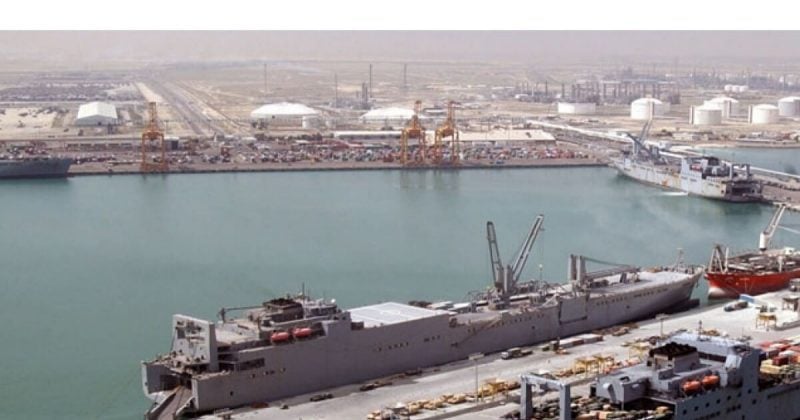
Six US soldiers killed in drone strike at Port Shuaiba, Kuwait, as Middle East conflict rattles global markets

Six US soldiers killed in drone strike at Port Shuaiba, Kuwait, as Middle East conflict rattles global markets

The first US military fatalities in the Iran conflict raise fresh questions about geopolitical risk premiums across crypto and traditional markets alike

Six US Army Reserve soldiers were killed and dozens more wounded when an Iranian drone struck a makeshift tactical operations center at Port Shuaiba, Kuwait, on March 1, 2026. The attack, which came on day two of what the Pentagon has labeled Operation Epic Fury, marks the first American military fatalities in the escalating conflict with Iran.

The one-way attack drone evaded air defenses and hit the facility without any warning sirens sounding. Between 30 and over 60 service members were reportedly injured, many sustaining severe wounds including brain injuries, shrapnel damage, and burns. The soldiers belonged to the 103rd Expeditionary Sustainment Command.

Advertisement

What happened at Port Shuaiba

The targeted facility was a triple-wide trailer that had been relocated from Camp Arifjan to serve as a tactical operations center at the port. The move happened just days before the strike, part of broader personnel shifts to civilian-adjacent logistics facilities as US and Israeli forces began military operations against Iran.

The attack represents one of the deadliest strikes against US troops since the 2021 withdrawal from Afghanistan. Survivor accounts have reportedly contradicted official Pentagon descriptions of the incident, and congressional inquiries into the circumstances surrounding the attack are now shaping media coverage months later.

Iranian intelligence reportedly had foreknowledge of US troop movements in the area, raising uncomfortable questions about operational security and command decisions during the conflict’s opening hours.

Disclosure: This article was edited by Editorial Team. For more information on how we create and review content, see our Editorial Policy.

Six US soldiers killed in drone strike at Port Shuaiba, Kuwait, as Middle East conflict rattles global markets

Six US soldiers killed in drone strike at Port Shuaiba, Kuwait, as Middle East conflict rattles global markets

The first US military fatalities in the Iran conflict raise fresh questions about geopolitical risk premiums across crypto and traditional markets alike

Six US Army Reserve soldiers were killed and dozens more wounded when an Iranian drone struck a makeshift tactical operations center at Port Shuaiba, Kuwait, on March 1, 2026. The attack, which came on day two of what the Pentagon has labeled Operation Epic Fury, marks the first American military fatalities in the escalating conflict with Iran.

The one-way attack drone evaded air defenses and hit the facility without any warning sirens sounding. Between 30 and over 60 service members were reportedly injured, many sustaining severe wounds including brain injuries, shrapnel damage, and burns. The soldiers belonged to the 103rd Expeditionary Sustainment Command.

Advertisement

What happened at Port Shuaiba

The targeted facility was a triple-wide trailer that had been relocated from Camp Arifjan to serve as a tactical operations center at the port. The move happened just days before the strike, part of broader personnel shifts to civilian-adjacent logistics facilities as US and Israeli forces began military operations against Iran.

The attack represents one of the deadliest strikes against US troops since the 2021 withdrawal from Afghanistan. Survivor accounts have reportedly contradicted official Pentagon descriptions of the incident, and congressional inquiries into the circumstances surrounding the attack are now shaping media coverage months later.

Iranian intelligence reportedly had foreknowledge of US troop movements in the area, raising uncomfortable questions about operational security and command decisions during the conflict’s opening hours.

Disclosure: This article was edited by Editorial Team. For more information on how we create and review content, see our Editorial Policy.