
US stocks rise as investors overlook US-Iran tensions to buy tech shares
Equity markets surged on geopolitical de-escalation while crypto stayed cautious, highlighting a growing divergence between traditional and digital asset sentiment
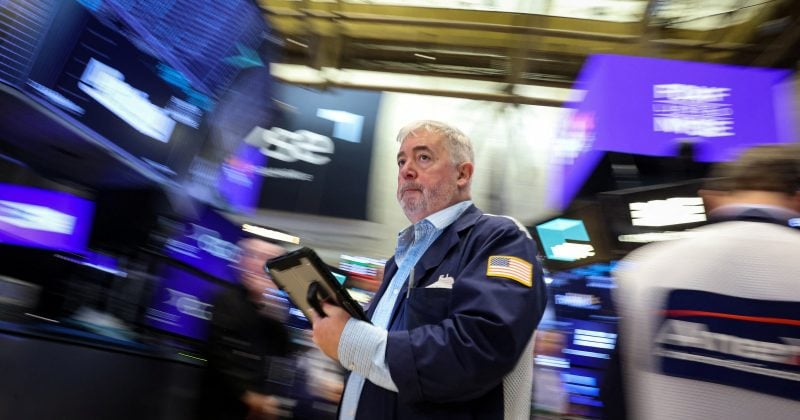
Wall Street had a good day on June 29, and it wasn’t because investors suddenly forgot about the simmering conflict between the US and Iran. They just decided they cared more about buying tech stocks.
Major US indexes climbed sharply after a truce was established between Washington and Tehran over hostilities in the Strait of Hormuz. The information technology index led the charge with a 1.7% gain, while the Dow Jones Industrial Average pushed toward record territory. The Nasdaq posted broad gains as growth stocks attracted renewed interest.
Tech leads the rally, crypto watches from the sidelines
Among individual movers, Arm’s shares rose approximately 2.3% in pre-market trading.
Here’s the thing: while equity investors were busy celebrating, crypto markets barely shrugged. Bitcoin traded around $59,700 on the same day, posting only modest gains that looked almost embarrassing next to the equity rally.
That’s a notable gap. Earlier in June, Bitcoin had actually been on a tear, climbing toward the $65,800 to $67,000 range as traders priced in diplomatic progress between the two nations. The coin reached a peak of approximately $67,000 during that risk-on stretch. But as the truce materialized, crypto didn’t get the same second wind that stocks enjoyed.
The news moving money, markets, and the world—before your day starts.
Daily. Free. Join 34,000+ readers across crypto, finance, and policy.
Why crypto stayed cautious while stocks rallied
By early July, those doubts proved well-founded. Reports emerged of renewed US strikes on Iran, which triggered oil price surges and injected fresh uncertainty into both equity and crypto markets.
There was also an enforcement angle that cast a shadow over digital assets specifically. US authorities revealed they had frozen $344 million in crypto assets connected to Iran as part of ongoing sanctions targeting the country’s funding capabilities.
A divergence worth watching
Crypto markets appear to be front-running geopolitical developments more aggressively than equities, then running out of momentum when the news actually breaks. Crypto’s correlation with traditional risk assets appears to weaken during periods of acute geopolitical stress. Bitcoin’s resilience during major market swings has been notable, the coin didn’t crater when tensions flared back up. But the flip side is that it also didn’t fully participate in the upside when tensions eased.
Look, the oil market tells a similar story of whiplash. Prices dropped with de-escalation in late June, then spiked again following the early July reports of renewed strikes. Throughout this entire sequence, energy prices and equities moved in largely predictable patterns. Crypto didn’t follow the same playbook.