
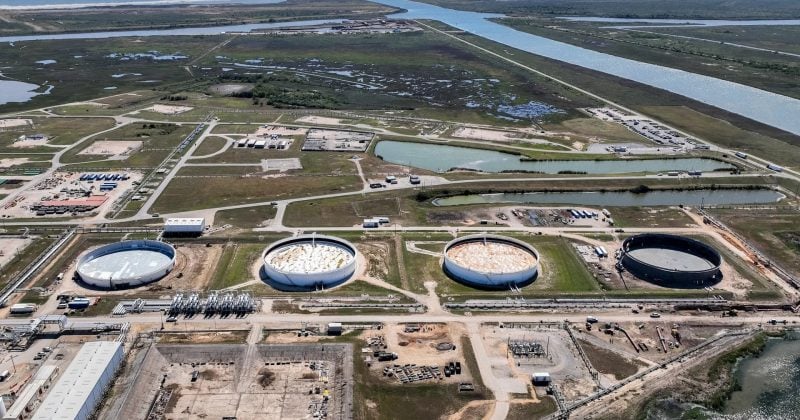
US strategic petroleum reserve crude stocks fall to lowest level since 1983
A cumulative drawdown of nearly 100 million barrels since February 2026 is raising serious questions about America's energy buffer
The United States just hit a milestone nobody wanted. The Strategic Petroleum Reserve dropped by roughly 3 million barrels to 316.5 million barrels as of the week ending July 10, 2026, the lowest reading since April 1983. To put that in perspective, the reserve sat somewhere between 331 and 340 million barrels as recently as June 2026. That’s a steep drop in a very short window.
The timing matters. The drawdown comes against a backdrop of escalating military and diplomatic pressure in the Middle East, following the onset of the US-Israeli conflict with Iran that began in late February 2026. Since that point, the cumulative drain on the reserve has reached 98.9 million barrels.
What the SPR actually is, and why 316 million barrels sounds bigger than it is
Think of the Strategic Petroleum Reserve as the country’s emergency gas can. It was created in the 1970s after the Arab oil embargo, specifically to give the US a buffer against sudden supply shocks. The reserve has a maximum capacity of 713.5 million barrels, which means the current 316.5 million barrel inventory sits at roughly 44% of total capacity.
The government has authorized a planned release of up to 172 million barrels to help manage fuel price pressures caused by rising geopolitical risks. That release program, combined with the ongoing conflict dynamics, explains how nearly 100 million barrels evaporated from the reserve in less than five months.
For context, the SPR hasn’t been this low since Ronald Reagan was in his first term. The reserve has survived multiple crises since then, including the Gulf War, Hurricane Katrina, and the 2022 release authorized by the Biden administration. None of those events left the reserve this depleted.
Macro, rates, and crypto—what moved markets and what matters next.
Daily. Free. Join 34,000+ readers across crypto, finance, and policy.
The market math behind a shrinking buffer
At 316.5 million barrels, the US’s capacity to absorb another sudden shock, whether from a pipeline attack, a naval blockade in the Strait of Hormuz, or a weather event disrupting Gulf production, is materially reduced.
For energy investors, reduced SPR levels argue for higher price floors, since the government’s ability to suppress prices through strategic releases becomes more constrained the longer this drawdown continues. On the other hand, a resolution to the Iran conflict could reverse the dynamic quickly, and any diplomatic breakthrough would likely send prices lower as risk premiums unwind.
What this means for energy markets and adjacent sectors
Energy prices are a major input cost for Bitcoin mining and other proof-of-work crypto operations. When electricity prices rise because natural gas and oil prices are elevated, the marginal cost of producing Bitcoin increases, affecting miner profitability and, in sustained high-energy-cost environments, can force less efficient operations offline.
The pace of further SPR releases matters enormously. If the government accelerates drawdowns to keep fuel prices manageable, the reserve could breach psychologically significant thresholds. Conversely, any diplomatic progress on the Iran situation could allow the administration to halt releases and begin the long process of refilling the reserve, which itself would represent a source of demand for crude. At 316.5 million barrels, the margin for error is meaningfully smaller than it was even sixty days ago.