
US strikes Ahvaz as crypto markets feel the pressure of Iran escalation
Bitcoin slips roughly 2% as US military operations expand into Iran's oil-rich Khuzestan province
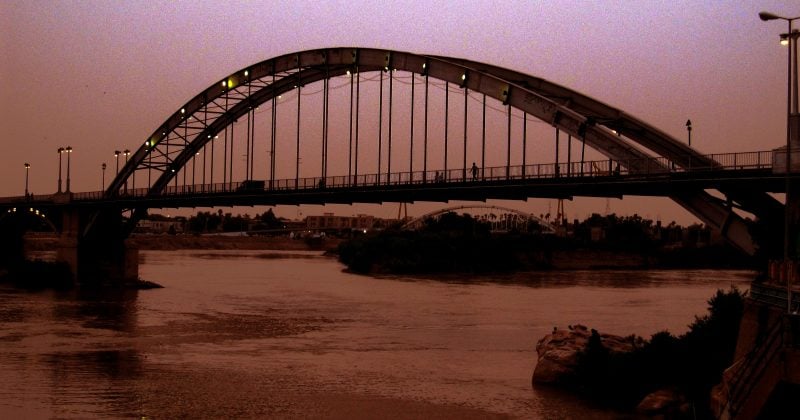
The United States military has carried out strikes on multiple locations in and around Ahvaz, a city sitting at the heart of Iran’s Khuzestan province and, not coincidentally, at the center of the country’s oil production infrastructure. The strikes, confirmed by US Central Command, form part of a broader multi-wave operation that targeted approximately 140 Iranian military sites between July 10 and July 12, 2026.
Crypto markets noticed immediately. Bitcoin dropped roughly 2%, trading in the $62,000 to $63,800 range as the news filtered through. Ether fell to around $1,800. XRP followed the same direction.
What happened and why Ahvaz matters
The targets in this round of strikes were consistent with what US Central Command had been hitting across Iran: air defense systems, missile launch sites, and naval assets. The naval component matters because Iran’s ability to threaten the Strait of Hormuz, the narrow waterway through which a substantial portion of global oil supply passes, has been a persistent concern since this conflict began.
Iranian officials from Khuzestan province acknowledged the strikes.
The current US-Iran conflict traces back to February 2026. Since then, the pattern has been familiar: strikes, a period of relative quiet, threats to regional shipping, then more strikes. The July 10 to July 12 operation appears to be the largest single escalation in that cycle, with 140 military locations hit across the country in a compressed timeframe.
The news moving money, markets, and the world—before your day starts.
Daily. Free. Join 34,000+ readers across crypto, finance, and policy.
Ahvaz had been identified in 2025 as a hub for large-scale crypto mining operations in Iran, including activity flagged as illicit. Iran has historically used crypto mining as a mechanism to convert subsidized electricity and sanctioned oil revenues into liquid, internationally transferable value.
How markets are reading the conflict
Ether at $1,800 and Bitcoin in the low $60,000s reflects a market that is cautious rather than in freefall. Oil price shocks historically translate into broader inflation fears, which pressure central banks, which in turn affect the liquidity conditions that crypto valuations depend on heavily.
Iran’s mining sector has been a source of hashrate for global Bitcoin mining pools. Any significant degradation of Iran’s power infrastructure could affect the global hashrate distribution, a longer-term structural consideration for anyone with exposure to mining equities or hashrate-linked instruments.
What to watch from here
The provincial acknowledgment of damage from Iranian officials suggests the strikes landed with meaningful effect on military infrastructure. Iran has previously responded with pressure on regional shipping and energy infrastructure rather than direct military retaliation against US forces.
Bitcoin’s behavior in the $62,000 to $63,800 range over the strike window gives a rough read on the market’s current risk tolerance. A break below that range on continued escalation news would signal that the risk-off rotation is deepening.