
US strikes in Bandar Abbas kill two and wound eight as Bitcoin dips below $73K on geopolitical fears
Military escalation in Iran's key port city sends shockwaves through crypto markets as traders adopt risk-off positioning amid Strait of Hormuz tensions
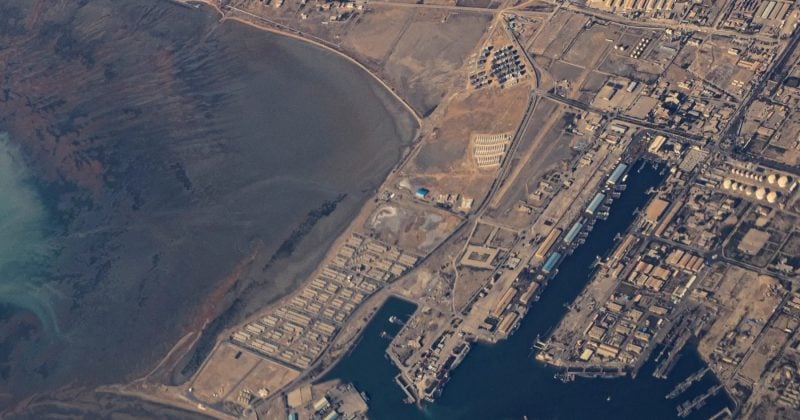
US military strikes on Bandar Abbas, Iran’s strategically critical southern port city, killed two people and wounded eight others. The attacks, which began around July 12, mark a significant escalation in hostilities that has already started rattling crypto markets.
Bitcoin briefly traded below $73,000 as news of the strikes filtered through markets.
What happened in Bandar Abbas
The strikes targeted key Iranian naval facilities in and around Bandar Abbas, a port city that sits at the mouth of the Strait of Hormuz. Roughly a fifth of the world’s oil supply passes through that narrow waterway every single day.
Reports from Iranian state media described explosions near bridges and infrastructure west of the city. The two fatalities and eight injuries came from these blasts, though the full extent of damage to military installations remains unclear.
Bandar Abbas wasn’t the only target. The strikes were part of a broader, coordinated US military campaign hitting facilities across multiple Iranian port cities, including Bushehr and Chabahar. US forces reportedly deployed sea drones to strike maintenance facilities used for submarines and ships, aiming to degrade Iran’s naval capabilities across its entire southern coastline.
Multiple rounds of strikes occurred across early to mid-July, suggesting this isn’t a one-off retaliation but a sustained campaign.
The news moving money, markets, and the world—before your day starts.
Daily. Free. Join 34,000+ readers across crypto, finance, and policy.
The crypto market reaction
Bitcoin’s dip below $73,000 triggered liquidations of leveraged positions and stop-losses across major exchanges. Volatility spiked sharply in the hours following initial reports, with trading volumes surging as both panic sellers and opportunistic dip-buyers flooded order books.
The US has been actively freezing Iranian-linked digital assets worth hundreds of millions of dollars, running parallel to the kinetic military operations. That campaign puts direct pressure on the intersection of state actors and decentralized finance.
Why this matters beyond the headlines
Previous flare-ups around the Strait, including the 2019 tanker seizures and the January 2020 Soleimani strike, produced similar patterns in crypto markets. The 2020 episode saw Bitcoin drop roughly 5% before recovering within a week.
Privacy-focused tokens saw modest upticks during the initial chaos, consistent with increased demand for financial tools that operate outside government oversight.
Traders running leveraged positions should be especially cautious given the combination of military escalation, active sanctions enforcement against Iranian-linked wallets, and uncertain energy market dynamics.