
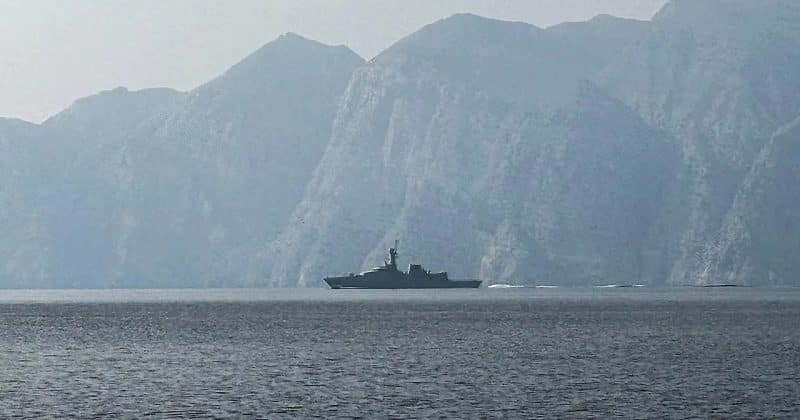
US conducts strikes on Iran following cargo ship attack in Strait of Hormuz
A drone strike on a container ship has shattered a fragile ceasefire and sent ripple effects through oil and crypto markets alike
The US has launched strikes against Iran after the Islamic Revolutionary Guard Corps targeted a commercial cargo ship in the Strait of Hormuz, shattering what was already a tenuous ceasefire between the two nations. The attack on the Singapore-flagged container ship Ever Lovely on June 25 damaged the vessel’s bridge but reportedly caused no crew injuries.
President Trump condemned the assault, calling it a “foolish violation” of the ceasefire.
What happened in the Strait
The IRGC used a drone to strike the Ever Lovely as it transited the Strait of Hormuz, a narrow waterway that carries roughly 20% of the world’s oil supply.
The timing was particularly provocative. The attack came just hours after increased naval traffic had begun moving through a newly established UN and Oman-backed shipping lane, designed to provide safer passage through the contested waters.
Following the drone strike, the International Maritime Organization suspended evacuation plans for vessels stranded in the region.
The news moving money, markets, and the world—before your day starts.
Daily. Free. Join 34,000+ readers across crypto, finance, and policy.
The broader conflict traces back to US and Israeli strikes against Iranian military and nuclear facilities in February and March of 2026. Since then, the Strait of Hormuz has seen a steady drumbeat of maritime hostilities, including ship attacks and seizures from both sides dating back to April.
The Bitcoin wrinkle
During ceasefire negotiations in April, reports emerged that Iran had discussed accepting Bitcoin as payment for safe passage fees through the strait. Traditional payment rails are largely cut off by international sanctions. Bitcoin operates outside those systems.
Previous flare-ups in the region have triggered notable price volatility in Bitcoin and other digital assets, as traders oscillate between risk-off selling and flight-to-alternative-asset buying.
What this means for investors
The suspension of IMO evacuation plans is a detail worth watching closely. Stranded vessels mean stranded cargo, which means supply chain disruptions that ripple far beyond the energy sector. Container shipping rates, insurance premiums, and commodity prices all start moving when the strait gets hot.
For crypto specifically, the Iran-Bitcoin-for-passage angle adds a layer of regulatory risk. If sanctioned nations are actively using Bitcoin to circumvent international restrictions, that gives ammunition to policymakers who want tighter controls on digital assets.