
US strikes Iran’s Darkhovin nuclear plant, and crypto markets are bracing for the fallout
Military escalation against Iranian nuclear infrastructure echoes previous strikes that triggered hundreds of millions in crypto liquidations
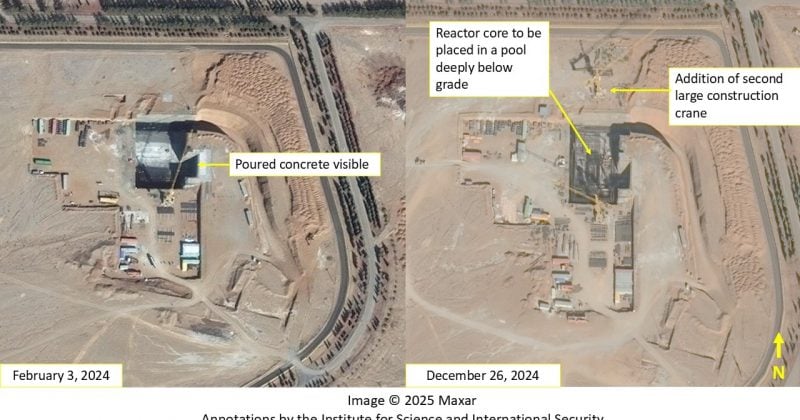
US forces launched a strike against Iran’s under-construction Darkhovin nuclear power plant early Sunday morning, according to the Atomic Energy Organization of the Islamic Republic of Iran. The AEOI said multiple projectiles hit the site in Khuzestan province, marking another escalation in what has become a sustained campaign against Iranian nuclear infrastructure.
What happened at Darkhovin
The Darkhovin site was planned to house a domestically built reactor with a capacity of 300 to 360 MW. Construction has been a slow, troubled affair. China previously withdrew its reactor designs for the project, and the facility has faced years of delays even before becoming a military target.
The AEOI’s statement confirmed the strike occurred on July 19, 2026, which corresponds to 28 Tir on the Iranian calendar. The organization described the attack as involving “multiple projectiles” from the US military, though it did not elaborate on the extent of damage or casualties.
This wasn’t an isolated incident. The strike fits into a pattern of US and Israeli military operations targeting Iranian nuclear facilities that has been escalating since at least mid-2025.
The crypto liquidation playbook
Previous strikes against Iranian nuclear infrastructure in June 2025 and February/March 2026 triggered between $595 million and $700 million in crypto long liquidations. Those same episodes saw over $10 million in outflows from Iranian cryptocurrency exchanges.
The news moving money, markets, and the world—before your day starts.
Daily. Free. Join 34,000+ readers across crypto, finance, and policy.
Bitcoin has consistently been the primary asset caught in these liquidation events. It’s the most liquid, the most leveraged, and the first thing traders sell when the world suddenly feels less stable.
Iran’s crypto infrastructure under threat
Iran’s crypto sector, particularly its Bitcoin mining operations, relies heavily on the country’s low-cost electricity. Military strikes on energy infrastructure create cascading power disruptions, and power outages following previous military actions have already disrupted Iranian mining capacity.
Iran’s crypto ecosystem has long served a dual purpose: providing ordinary Iranians a lifeline around international sanctions, and enabling state-linked actors to move money outside the reach of traditional financial systems. Blockchain analysis firms have ramped up monitoring of Iranian crypto flows in response to these escalations, creating additional friction for Iranian crypto users.
What this means for investors
If power grid disruptions in Iran take significant mining capacity offline, even temporarily, that could affect Bitcoin’s global hashrate. Traders running leveraged long positions on Bitcoin or major altcoins should be paying close attention to the next 24 to 48 hours, as follow-on developments—including potential Iranian retaliation or additional US strikes—could extend the volatility window.