
US conducts strikes on Iranian missile sites amid ceasefire talks, rattling crypto markets
CENTCOM targeted missile launch sites and mine-laying vessels in southern Iran as Doha negotiations continue, adding fuel to an already volatile crypto landscape.
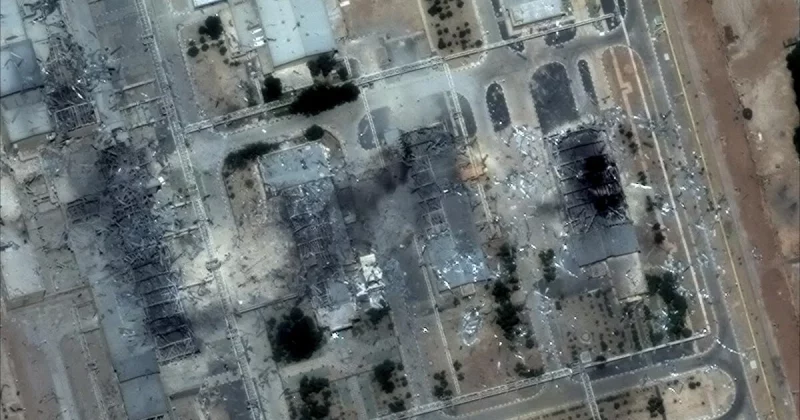
The US military struck Iranian missile launch sites and vessels laying naval mines on May 25, marking yet another escalation in a conflict that has kept crypto markets on edge since late February. The strikes, carried out by US Central Command as a self-defense measure, hit targets in southern Iran near the Strait of Hormuz, one of the most strategically critical chokepoints for global energy flows.
US Secretary of State Marco Rubio indicated that ceasefire negotiations in Doha could take several more days at the time of the strikes.
What happened and why it matters for crypto
CENTCOM characterized the strikes as necessary to protect US troops and assets in the region. The targets included boats attempting to lay mines and missile launch sites, a direct response to threats near the Strait of Hormuz. For context, roughly a fifth of the world’s oil passes through that narrow waterway.
This latest action is part of a broader military campaign that began on February 28, 2026, when joint US-Israel operations first targeted Iranian military infrastructure.
Bitcoin and Ethereum both saw short-term price fluctuations following the strikes. While stock traders in New York were asleep, digital asset markets were already repricing risk in real time. That 24/7 trading cycle means geopolitical shocks hit crypto first, before equities and commodities even have a chance to open.
The sanctions and crypto enforcement angle
In April 2026, US sanctions resulted in the freezing of $344 million in crypto wallets linked to Iran. After prior US strikes in early March, approximately $10.3 million in crypto outflows were detected from Iranian platforms.
For the broader crypto industry, the $344 million freeze sends a clear message: digital assets are now firmly embedded in the toolkit of economic warfare.
What this means for investors
The sanctions dimension adds another layer of consideration. The $344 million wallet freeze could prompt regulators in multiple jurisdictions to tighten compliance requirements for exchanges, particularly around know-your-customer protocols for large transfers.
Each escalation since February has produced sharp but brief price drops, followed by recoveries. The 24/7 nature of crypto markets means these moves can happen at 3 AM on a Sunday, which is not exactly ideal for anyone who values sleep.