
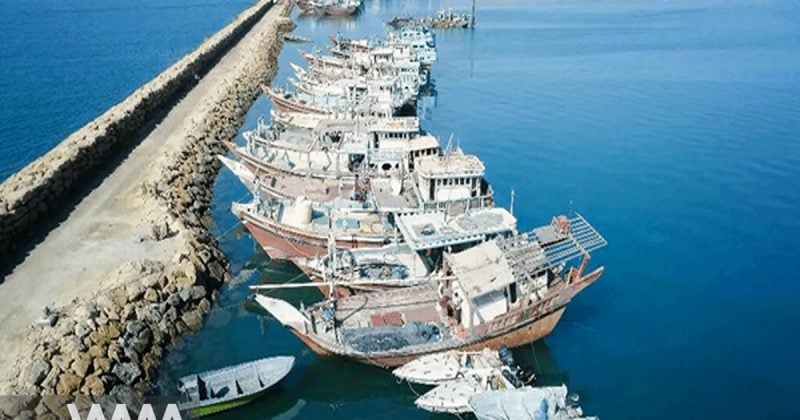
US strikes on Iranian port in Sirik kill three as Strait of Hormuz tensions rattle energy markets
The attack on critical maritime infrastructure near the world's most important oil chokepoint is already sending ripples through commodity and crypto markets alike.
The US military struck the port of Sirik in southern Iran’s Hormozgan province on July 8, killing three people and wounding 15 others. The strikes were carried out in two waves, at approximately 12:35 AM and 1:35 AM local time, damaging a primary floating pier and surrounding maritime infrastructure.
The operation targeted the Sirik port’s floating pier along with various pieces of maritime infrastructure. Damage extended beyond the main target to include fishing docks at Kuhestak, telecommunications towers, and water tanks.
Among the 15 wounded, at least one person was critically injured and evacuated to Minab Hospital. Others received treatment locally.
The strikes came just hours after Iranian forces reportedly fired warning shots at vessels in the area. Nearby ports at Jask and Tiab remained operational but moved to heightened security protocols.
The news moving money, markets, and the world—before your day starts.
Daily. Free. Join 34,000+ readers across crypto, finance, and policy.
This wasn’t the first US operation in the region. The strikes fall under an ongoing series of American military actions aimed at countering Iranian threats to commercial shipping through the Strait of Hormuz, including prior operations categorized under the framework known as “Epic Fury.”
Roughly one-fifth of the world’s oil supply passes through the Strait of Hormuz on any given day. When military activity escalates near that waterway, oil prices move, inflation expectations shift, central bank policy gets repriced, and every risk asset on the planet feels it.
During previous regional conflicts, on-chain data has shown spikes in USDT and USDC activity in countries near conflict zones as residents move savings into dollar-denominated digital assets.