
US strikes Iranian vessels, escalating tensions and airspace closure risk
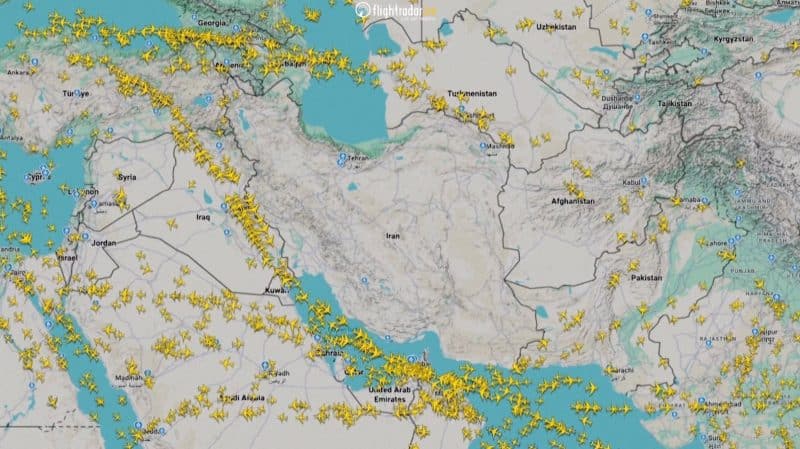
Iran Airspace Closure
## Market Snapshot
In the “Iran Airspace Closure” market, the probability of Iran closing its airspace by May 8 has increased to 24.5% from 14% over the past 24 hours. The May 31 sub-market currently reflects a 51.5% likelihood of closure, up from 34% a day ago.
## Key Takeaways
– The recent U.S. strike on Iranian civilian vessels suggests increased tensions, potentially leading to Iran closing its airspace. – Market data indicates a significant rise in the probability of a closure by both May 8 and May 31, consistent with increased conflict scenarios. – The incident may delay normalization of traffic through the Strait of Hormuz, with market pricing reflecting heightened risk.
## Article Body
According to reports from Iranian media and a military source, the United States conducted strikes on two civilian vessels transporting goods to Iran, resulting in the deaths of five civilians. This incident occurred amidst the ongoing U.S. naval blockade of Iran, part of “Project Freedom,” which aims to control maritime traffic to and from Iranian ports amidst the 2026 Iran war. The blockade, alongside a history of U.S.-Israeli air campaigns against Iran and subsequent retaliatory actions, has escalated regional tensions. The U.S. strike represents an extension of interdictions against Iran-linked vessels, indicating a potential uptick in conflict risks. Iran has previously threatened retaliatory actions against U.S. forces interfering with its maritime operations.
Macro, rates, and crypto—what moved markets and what matters next.
Daily. Free. Join 34,000+ readers across crypto, finance, and policy.
## Market Interpretation
The latest developments appear supportive of a YES outcome for the “Iran Airspace Closure” market. The impact is considered high as the reported incident heightens the likelihood of Iran taking defensive measures, such as closing its airspace. This market movement reflects increased participant concern over escalating military tensions following the U.S. action.
## What to Watch
Observers should monitor announcements from Iranian authorities, particularly the Civil Aviation Organization and the IRGC, regarding any airspace restrictions. Additionally, further U.S. military actions or statements could influence market perceptions and pricing. Key dates to watch include May 8 and May 31, as these are critical for the closure probability assessment. Developments related to the Strait of Hormuz traffic and any diplomatic engagements will also be crucial indicators of potential de-escalation.