
Nexo Earn with Nexo
US warns Iran of military action if peace plan conditions rejected

US warns Iran of military action if peace plan conditions rejected

Iran Military Action Against Neighbors

## Market Snapshot

The market on “Iran military action against neighbors” is currently reflecting increased likelihood, suggesting a 15% move towards a YES outcome. Meanwhile, the “US Iran agreement/ceasefire extension” market has decreased to 37.5% YES from 60% prior, indicating skepticism about reaching an agreement.

## Key Takeaways

– The announcement from the United States about potential military action appears to increase the perceived risk of regional conflict. – Market pricing suggests a lower probability of a US-Iran ceasefire extension, consistent with potential negotiation breakdown. – The status of Iran’s leadership by the end of 2026 remains largely unaffected, with minimal change in market sentiment.

Advertisement

## Article Body

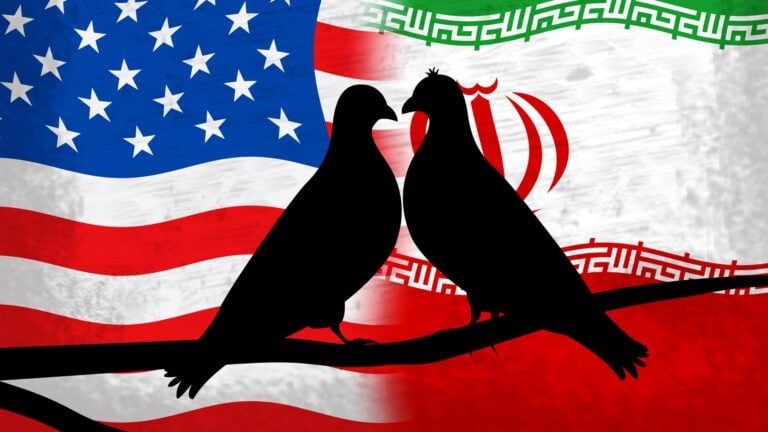
The United States has issued a stern warning to Iran, threatening to resume military action if Tehran rejects the conditions set forth in ongoing peace negotiations. This development emerges amid a fragile diplomatic effort to resolve the conflict that began in 2026, involving both the US and Iran, with Israel playing a significant role in the regional dynamics. The peace talks, although showing some progress, have yet to resolve critical issues such as Iran’s nuclear program, economic sanctions, and control over the Strait of Hormuz. The US warning underscores the persistent volatility in the region and the high stakes involved in the diplomatic process.

## Market Interpretation

Markets appear to interpret the US threat as supportive of a YES outcome for the “Iran military action against neighbors” market, indicating a high-impact development for the likelihood of military escalation. Conversely, the “US Iran agreement/ceasefire extension” market reflects a significant drop in confidence, suggesting that the US’s hardline stance could impede diplomatic progress. This market reaction is considered to have a high impact, given the recent shift in sentiment.

## What to Watch

Observers should monitor statements from key US and Iranian officials, particularly any changes in rhetoric from President Joe Biden or Iran’s President Ebrahim Raisi, as these could influence market perceptions. Developments in regional military movements or further diplomatic engagements will also be crucial in assessing the potential for conflict escalation. The next few days are critical as the deadline for a potential US-Iran agreement approaches on June 7, which could significantly impact market dynamics.

Get prediction market intelligence as a structured API feed. Early access waitlist.

Disclosure: This article was edited by Estefano Gomez. For more information on how we create and review content, see our Editorial Policy.

US warns Iran of military action if peace plan conditions rejected

US warns Iran of military action if peace plan conditions rejected

Iran Military Action Against Neighbors

## Market Snapshot

The market on “Iran military action against neighbors” is currently reflecting increased likelihood, suggesting a 15% move towards a YES outcome. Meanwhile, the “US Iran agreement/ceasefire extension” market has decreased to 37.5% YES from 60% prior, indicating skepticism about reaching an agreement.

## Key Takeaways

– The announcement from the United States about potential military action appears to increase the perceived risk of regional conflict. – Market pricing suggests a lower probability of a US-Iran ceasefire extension, consistent with potential negotiation breakdown. – The status of Iran’s leadership by the end of 2026 remains largely unaffected, with minimal change in market sentiment.

Advertisement

## Article Body

The United States has issued a stern warning to Iran, threatening to resume military action if Tehran rejects the conditions set forth in ongoing peace negotiations. This development emerges amid a fragile diplomatic effort to resolve the conflict that began in 2026, involving both the US and Iran, with Israel playing a significant role in the regional dynamics. The peace talks, although showing some progress, have yet to resolve critical issues such as Iran’s nuclear program, economic sanctions, and control over the Strait of Hormuz. The US warning underscores the persistent volatility in the region and the high stakes involved in the diplomatic process.

## Market Interpretation

Markets appear to interpret the US threat as supportive of a YES outcome for the “Iran military action against neighbors” market, indicating a high-impact development for the likelihood of military escalation. Conversely, the “US Iran agreement/ceasefire extension” market reflects a significant drop in confidence, suggesting that the US’s hardline stance could impede diplomatic progress. This market reaction is considered to have a high impact, given the recent shift in sentiment.

## What to Watch

Observers should monitor statements from key US and Iranian officials, particularly any changes in rhetoric from President Joe Biden or Iran’s President Ebrahim Raisi, as these could influence market perceptions. Developments in regional military movements or further diplomatic engagements will also be crucial in assessing the potential for conflict escalation. The next few days are critical as the deadline for a potential US-Iran agreement approaches on June 7, which could significantly impact market dynamics.

Get prediction market intelligence as a structured API feed. Early access waitlist.

Disclosure: This article was edited by Estefano Gomez. For more information on how we create and review content, see our Editorial Policy.