
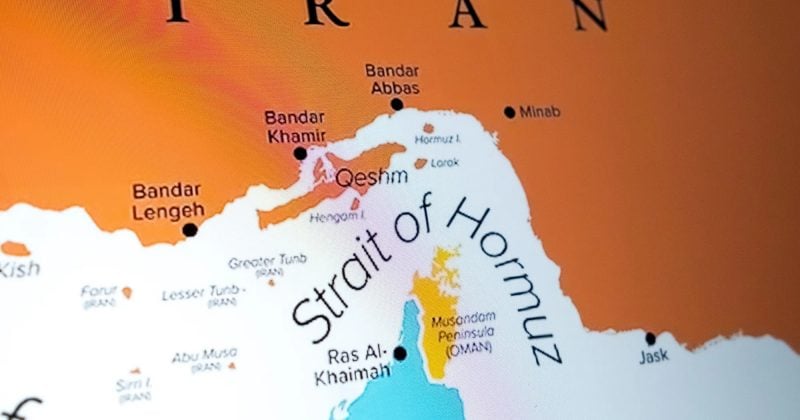
US warns Iran of military response if Strait of Hormuz is closed

https://www.bloomberg.com/opinion/articles/2026-03-03/iran-war-the-us-needs-to-race-to-reopen-the-strait-of-hormuz

US warns Iran of military response if Strait of Hormuz is closed

Strait of Hormuz traffic normalization

Senator JD Vance issued a stern warning to Iran, emphasizing that any attempt to close the Strait of Hormuz would prompt a military response from the United States. This statement comes amid escalating tensions between the U.S. and Iran, particularly concerning the strategic waterway through which a significant portion of the world’s oil supply transits. The recent U.S. retaliatory strikes on Iranian targets followed Iran’s attacks on commercial vessels, further heightening the risk of military confrontation in the region. The situation suggests a volatile environment that could impact global energy security and the economy.

In prediction markets, there appears to be a notable impact on the odds of traffic normalization in the Strait of Hormuz. The probability that traffic will return to normal by August 31 has decreased from 24% to 18.5%. This shift implies that market participants perceive an increased likelihood of continued disruptions in the strait as tensions remain high. The current U.S. stance and Iran’s ongoing actions contribute to the uncertainty surrounding the strait’s operational status in the coming weeks.

Advertisement

The developments in the Strait of Hormuz are also influencing related markets, such as the Bab el-Mandeb Strait. The probability of its effective closure by September 30 has risen from 8% to 14.5%, reflecting concerns that regional instability could spread beyond the Hormuz strait. Market participants are closely monitoring any developments that could influence the geopolitical landscape and the movement of global energy supplies.

Key Takeaways

  • JD Vance’s warning to Iran appears to contribute to increased market perception of potential conflict, affecting the Strait of Hormuz traffic normalization odds.
  • The probability of the Strait of Hormuz returning to normal by August 31 has decreased, suggesting heightened concerns over continued disruptions.
  • Related markets, such as the Bab el-Mandeb Strait, also show increased odds of closure, indicating broader regional instability concerns.

What to Watch

Observers should monitor Iran’s response to Vance’s statement and any potential diplomatic or military actions from both the U.S. and Iranian sides. Developments such as official announcements regarding peace agreements or further military engagements will be key indicators for market movements. Additionally, any shifts in oil prices or global energy flow data could provide further evidence of changing perceptions regarding the strait’s status.

Get prediction market intelligence as a structured API feed. Early access waitlist.

Disclosure: This article was edited by Estefano Gomez. For more information on how we create and review content, see our Editorial Policy.

US warns Iran of military response if Strait of Hormuz is closed

US warns Iran of military response if Strait of Hormuz is closed

Strait of Hormuz traffic normalization

https://www.bloomberg.com/opinion/articles/2026-03-03/iran-war-the-us-needs-to-race-to-reopen-the-strait-of-hormuz

Senator JD Vance issued a stern warning to Iran, emphasizing that any attempt to close the Strait of Hormuz would prompt a military response from the United States. This statement comes amid escalating tensions between the U.S. and Iran, particularly concerning the strategic waterway through which a significant portion of the world’s oil supply transits. The recent U.S. retaliatory strikes on Iranian targets followed Iran’s attacks on commercial vessels, further heightening the risk of military confrontation in the region. The situation suggests a volatile environment that could impact global energy security and the economy.

In prediction markets, there appears to be a notable impact on the odds of traffic normalization in the Strait of Hormuz. The probability that traffic will return to normal by August 31 has decreased from 24% to 18.5%. This shift implies that market participants perceive an increased likelihood of continued disruptions in the strait as tensions remain high. The current U.S. stance and Iran’s ongoing actions contribute to the uncertainty surrounding the strait’s operational status in the coming weeks.

Advertisement

The developments in the Strait of Hormuz are also influencing related markets, such as the Bab el-Mandeb Strait. The probability of its effective closure by September 30 has risen from 8% to 14.5%, reflecting concerns that regional instability could spread beyond the Hormuz strait. Market participants are closely monitoring any developments that could influence the geopolitical landscape and the movement of global energy supplies.

Key Takeaways

  • JD Vance’s warning to Iran appears to contribute to increased market perception of potential conflict, affecting the Strait of Hormuz traffic normalization odds.
  • The probability of the Strait of Hormuz returning to normal by August 31 has decreased, suggesting heightened concerns over continued disruptions.
  • Related markets, such as the Bab el-Mandeb Strait, also show increased odds of closure, indicating broader regional instability concerns.

What to Watch

Observers should monitor Iran’s response to Vance’s statement and any potential diplomatic or military actions from both the U.S. and Iranian sides. Developments such as official announcements regarding peace agreements or further military engagements will be key indicators for market movements. Additionally, any shifts in oil prices or global energy flow data could provide further evidence of changing perceptions regarding the strait’s status.

Get prediction market intelligence as a structured API feed. Early access waitlist.

Disclosure: This article was edited by Estefano Gomez. For more information on how we create and review content, see our Editorial Policy.