
Nexo Earn with Nexo
US evolves from soccer backwater to World Cup host, and crypto is along for the ride

US evolves from soccer backwater to World Cup host, and crypto is along for the ride

The 2026 FIFA World Cup brings 48 teams, 104 matches, and a crypto exchange sponsorship to American soil, completing a three-decade transformation.

Thirty-two years ago, the United States hosted a World Cup. Now the country is gearing up to co-host the largest edition of the tournament ever staged, with 48 teams, 104 matches, and a crypto exchange as an official supporter.

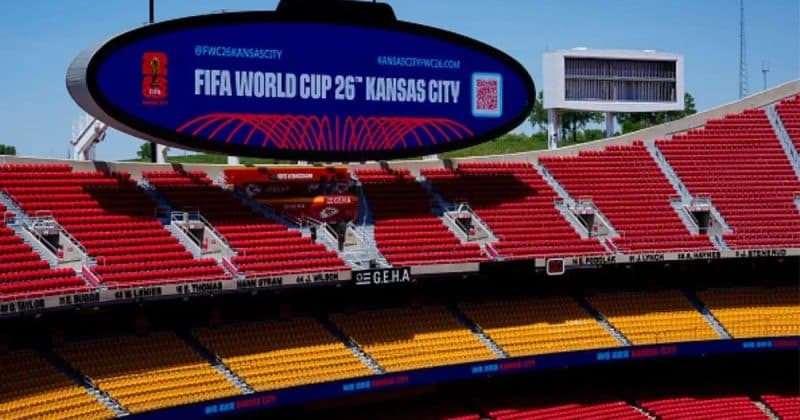
The 2026 FIFA World Cup kicks off on June 11 and runs through July 19, spread across 16 cities in three countries. The US holds 11 of those host cities, with the final match set for New York/New Jersey. Canada and Mexico round out the first-ever three-nation co-hosting arrangement.

From 1994 to now: the long arc of US soccer

The US hosted the World Cup in 1994, and two years later Major League Soccer launched in 1996, giving the sport a permanent domestic footprint. Over the following three decades, MLS expanded from a scrappy startup league into a legitimate professional operation. Youth soccer participation ballooned. TV rights deals got bigger.

Advertisement

The 48-team format, up from 32 in previous tournaments, makes this the most expansive World Cup in FIFA history. The US is shouldering most of the load with 11 of the 16 venues.

Crypto enters the pitch

Kraken was named the Official Crypto Exchange Supporter for the 2026 World Cup. The announcement came on June 9, just days before the tournament’s opening match. The partnership includes fan activations across the host cities.

Avalanche is providing blockchain infrastructure to support FIFA’s digital fan engagement initiatives during the tournament. Fan tokens tied to national football associations, like Argentina’s fan token, are expected to see increased activity during the tournament window. Chiliz, the platform that powers many of these fan tokens, sits at the center of that ecosystem. Fan tokens let holders vote on minor club or federation decisions and access exclusive content.

What this means for crypto investors

Fan tokens and sports-adjacent digital assets could see elevated trading volumes as national teams advance or exit the competition. Argentina winning a match, for instance, tends to spike interest in that federation’s token.

Fan tokens are notoriously volatile and often trade on sentiment rather than fundamentals. A team’s elimination can crater its token overnight.

The 2022 World Cup in Qatar featured Crypto.com as a sponsor. Having Kraken as an official World Cup supporter and Avalanche powering backend infrastructure signals that crypto sponsorships have graduated from niche conferences to the biggest stage in global sports.

Disclosure: This article was edited by Editorial Team. For more information on how we create and review content, see our Editorial Policy.

US evolves from soccer backwater to World Cup host, and crypto is along for the ride

US evolves from soccer backwater to World Cup host, and crypto is along for the ride

The 2026 FIFA World Cup brings 48 teams, 104 matches, and a crypto exchange sponsorship to American soil, completing a three-decade transformation.

Thirty-two years ago, the United States hosted a World Cup. Now the country is gearing up to co-host the largest edition of the tournament ever staged, with 48 teams, 104 matches, and a crypto exchange as an official supporter.

The 2026 FIFA World Cup kicks off on June 11 and runs through July 19, spread across 16 cities in three countries. The US holds 11 of those host cities, with the final match set for New York/New Jersey. Canada and Mexico round out the first-ever three-nation co-hosting arrangement.

From 1994 to now: the long arc of US soccer

The US hosted the World Cup in 1994, and two years later Major League Soccer launched in 1996, giving the sport a permanent domestic footprint. Over the following three decades, MLS expanded from a scrappy startup league into a legitimate professional operation. Youth soccer participation ballooned. TV rights deals got bigger.

Advertisement

The 48-team format, up from 32 in previous tournaments, makes this the most expansive World Cup in FIFA history. The US is shouldering most of the load with 11 of the 16 venues.

Crypto enters the pitch

Kraken was named the Official Crypto Exchange Supporter for the 2026 World Cup. The announcement came on June 9, just days before the tournament’s opening match. The partnership includes fan activations across the host cities.

Avalanche is providing blockchain infrastructure to support FIFA’s digital fan engagement initiatives during the tournament. Fan tokens tied to national football associations, like Argentina’s fan token, are expected to see increased activity during the tournament window. Chiliz, the platform that powers many of these fan tokens, sits at the center of that ecosystem. Fan tokens let holders vote on minor club or federation decisions and access exclusive content.

What this means for crypto investors

Fan tokens and sports-adjacent digital assets could see elevated trading volumes as national teams advance or exit the competition. Argentina winning a match, for instance, tends to spike interest in that federation’s token.

Fan tokens are notoriously volatile and often trade on sentiment rather than fundamentals. A team’s elimination can crater its token overnight.

The 2022 World Cup in Qatar featured Crypto.com as a sponsor. Having Kraken as an official World Cup supporter and Avalanche powering backend infrastructure signals that crypto sponsorships have graduated from niche conferences to the biggest stage in global sports.

Disclosure: This article was edited by Editorial Team. For more information on how we create and review content, see our Editorial Policy.