
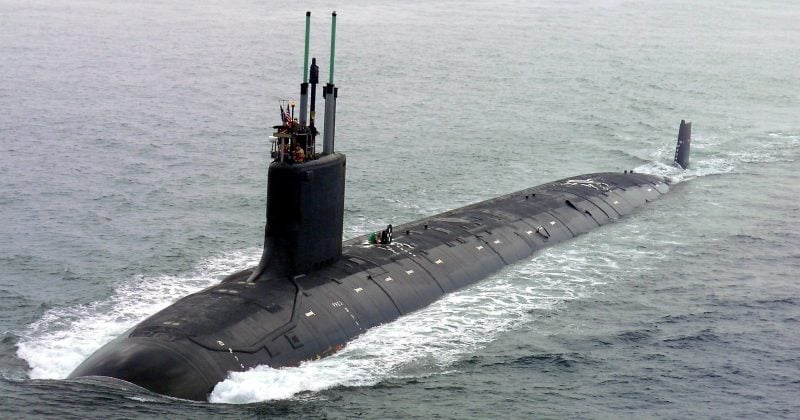
US Central Command reportedly redirects five vessels near Iran as naval tensions simmer
Reports of a naval blockade near Iranian waters carry significant implications for energy markets and crypto, though details remain unverified by official sources.
Iran International reported that US Central Command redirected five vessels and disabled one near Iran as part of a naval blockade operation. If confirmed, it would represent a notable escalation in the already tense maritime standoff in one of the world’s most critical energy chokepoints.
The Strait of Hormuz handles roughly a fifth of global oil supply on any given day.
What we know, and what we don’t
The report from Iran International describes USCENTCOM redirecting five vessels and disabling a sixth as part of what’s characterized as a naval blockade. A “blockade” in international law is an act of war, distinct from routine freedom-of-navigation patrols or sanctions enforcement operations that the US Navy regularly conducts in the Persian Gulf.
USCENTCOM has not issued a public statement confirming the specific incidents described. The Pentagon has similarly not commented on vessel disablement operations near Iranian waters. Extensive searches of military and news outlets have returned no corroboration for the alleged naval blockade, with no verifiable incidents found as of July 18, 2026.
The news moving money, markets, and the world—before your day starts.
Daily. Free. Join 34,000+ readers across crypto, finance, and policy.
The Persian Gulf pressure cooker
The Strait of Hormuz is the narrow waterway between Iran and Oman. The US Navy’s Fifth Fleet, headquartered in Bahrain, operates under USCENTCOM’s area of responsibility, which spans from Egypt to Central Asia.
Why crypto traders should pay attention
Crypto markets, which trade 24/7 and are thinner than traditional markets during off-hours, are particularly vulnerable to sudden moves triggered by unverified escalation reports. However, given the absence of confirmed military activity, any connections to digital assets or crypto market movements remain unfounded until more definitive information becomes available.