
Valar Atomics seeks $1B financing at $5B valuation with Sequoia in talks to lead
The three-year-old nuclear startup just achieved criticality at its Utah test site, and investors are apparently paying attention
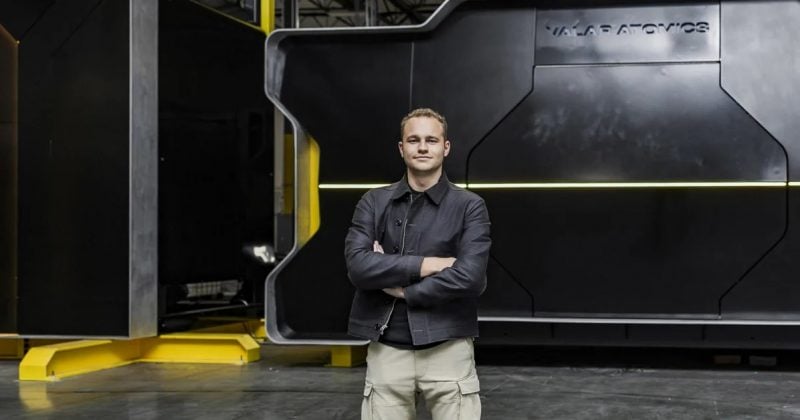
A nuclear startup founded by a 27-year-old high school dropout is in talks to raise $1 billion at a $5 billion pre-money valuation, with Sequoia Capital reportedly set to lead the round.
Valar Atomics, founded in 2023 by Isaiah Taylor, is negotiating the new financing round just days after achieving what the nuclear industry calls criticality: a self-sustaining nuclear chain reaction that generated electricity at its test site in San Rafael, Utah, on July 14, 2026.
From $130M to $5B in under a year
Valar Atomics raised a $130 million Series A in November 2025. A subsequent round valued the company at roughly $2 billion. Now, the pre-money valuation sits at $5 billion, and the company is seeking $1 billion in fresh capital.
The startup’s core technology is a factory-built, helium-cooled high-temperature gas reactor: a modular nuclear unit built in a controlled factory environment, then shipped to wherever power is needed, independent of the traditional electrical grid.
These reactors are specifically designed for applications that need dense, reliable power but cannot or do not want to depend on grid infrastructure. Data centers running AI workloads are the obvious customer. Hydrogen production facilities are another.
AI, tech, and the markets they move—in one daily briefing.
Daily. Free. Join 34,000+ readers across crypto, finance, and policy.
The AI energy problem is nuclear’s opportunity
Valar Atomics is not alone in recognizing this. A wave of advanced nuclear startups has emerged to address the same demand signal. But achieving an actual criticality event at a physical test site in just three years of operation puts Valar in a different category than most competitors, many of whom are still in the design or early regulatory phase.
By targeting off-grid industrial customers like data centers directly, Valar sidesteps utilities and grid operators, at least initially. That shortens the path to revenue and reduces dependence on regulatory timelines that have historically punished nuclear investment returns.
Moving from a test reactor to commercially deployable units involves engineering, supply chain, and regulatory challenges that a successful criticality event does not automatically resolve. Factory-built modular reactors still require site approvals, safety certifications, and fuel supply chains. And at a $5 billion valuation, there is limited margin for the kind of delays that have historically plagued nuclear construction projects, even the modular ones.