
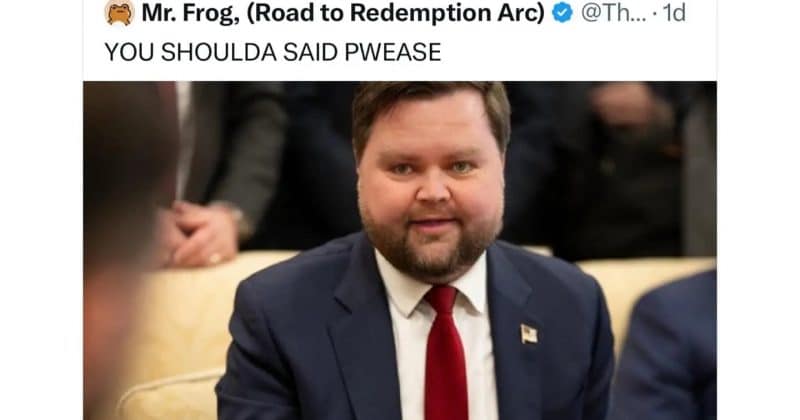
JD Vance reports Iranian compliance in Strait of Hormuz agreement

JD Vance reports Iranian compliance in Strait of Hormuz agreement

The US vice president says Iran has refrained from attacking ships since a memorandum of understanding was signed, opening the door to sanctions relief and nuclear talks

Vice President JD Vance confirmed that Iran has not attacked any ships in the Strait of Hormuz since signing a memorandum of understanding with the United States. The US, in turn, has allowed ships to pass through the naval blockade it imposed earlier this year.

What the deal actually says

The MOU was virtually signed on June 15, 2026, by President Donald Trump, Vance, and Iran’s parliamentary speaker Mohammad-Bagher Ghalibaf. A formal ceremony is scheduled for June 19, 2026.

Advertisement

The core terms are straightforward. Iran agrees to stop hostile actions in the strait. The US agrees to lift its naval blockade, restoring safe passage for commercial and military vessels.

The agreement includes a 60-day negotiation framework designed to tackle nuclear verification protocols, international inspections, and potential sanctions relief.

If Tehran adheres to the MOU’s terms, including submitting to nuclear inspections, it could gain access to a $300 billion Gulf-funded reconstruction fund. The agreement follows a US naval blockade imposed after Iran closed the strait beginning in late February 2026.

The crypto angle

The MOU itself makes no reference to cryptocurrency, digital assets, or blockchain-based payment systems. Vance’s statements similarly contain no mention of crypto infrastructure tied to the agreement.

Before this agreement, there were reports that Iran accepted cryptocurrency payments—specifically Bitcoin and stablecoins—as transit tolls during a temporary ceasefire in April-May 2026, priced around $1 per barrel. These arrangements reflected Iran’s broader strategy to circumvent sanctions amidst escalating conflicts with the US.

Disclosure: This article was edited by Editorial Team. For more information on how we create and review content, see our Editorial Policy.

JD Vance reports Iranian compliance in Strait of Hormuz agreement

JD Vance reports Iranian compliance in Strait of Hormuz agreement

The US vice president says Iran has refrained from attacking ships since a memorandum of understanding was signed, opening the door to sanctions relief and nuclear talks

Vice President JD Vance confirmed that Iran has not attacked any ships in the Strait of Hormuz since signing a memorandum of understanding with the United States. The US, in turn, has allowed ships to pass through the naval blockade it imposed earlier this year.

What the deal actually says

The MOU was virtually signed on June 15, 2026, by President Donald Trump, Vance, and Iran’s parliamentary speaker Mohammad-Bagher Ghalibaf. A formal ceremony is scheduled for June 19, 2026.

Advertisement

The core terms are straightforward. Iran agrees to stop hostile actions in the strait. The US agrees to lift its naval blockade, restoring safe passage for commercial and military vessels.

The agreement includes a 60-day negotiation framework designed to tackle nuclear verification protocols, international inspections, and potential sanctions relief.

If Tehran adheres to the MOU’s terms, including submitting to nuclear inspections, it could gain access to a $300 billion Gulf-funded reconstruction fund. The agreement follows a US naval blockade imposed after Iran closed the strait beginning in late February 2026.

The crypto angle

The MOU itself makes no reference to cryptocurrency, digital assets, or blockchain-based payment systems. Vance’s statements similarly contain no mention of crypto infrastructure tied to the agreement.

Before this agreement, there were reports that Iran accepted cryptocurrency payments—specifically Bitcoin and stablecoins—as transit tolls during a temporary ceasefire in April-May 2026, priced around $1 per barrel. These arrangements reflected Iran’s broader strategy to circumvent sanctions amidst escalating conflicts with the US.

Disclosure: This article was edited by Editorial Team. For more information on how we create and review content, see our Editorial Policy.