
Nexo Earn with Nexo
Vozinha’s mother couldn’t watch his historic World Cup debut because of US visa issues

Vozinha’s mother couldn’t watch his historic World Cup debut because of US visa issues

Cape Verde's 40-year-old goalkeeper held Spain to a 0-0 draw while his mother was denied entry to the country hosting the tournament.

A 40-year-old goalkeeper from a tiny island nation played the game of his life, shutting out Spain in his country’s first-ever World Cup match. His mother watched it on TV because the United States wouldn’t let her in.

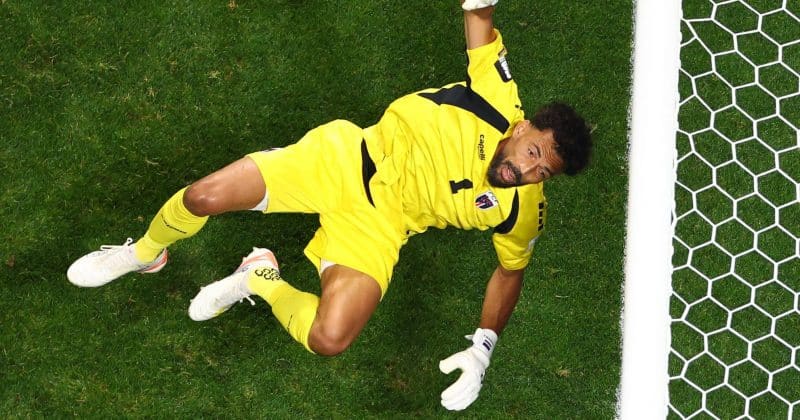
Cape Verde’s Vozinha, born Josimar José Évora Dias, delivered seven saves against Spain on June 15, earning a 0-0 draw that gave his country their first point in World Cup history. Except the part where the host nation’s visa process kept one of the most compelling human-interest angles sitting thousands of miles away.

A debut for the history books, minus the family reunion

At 40 years old, Vozinha became the oldest player to debut for any nation in World Cup history. He plays his club football for Chaves in Portugal’s second division, Liga Portugal 2. Seven saves against one of the most technically gifted attacking nations on the planet. Cape Verde, a country of roughly 600,000 people, had never even qualified for a World Cup before this tournament. Their first result was a clean sheet against the 2010 champions.

Advertisement

Vozinha’s social media following reportedly surged from around 50,000 to over 2 million after the performance.

Vozinha confirmed publicly that US visa issues prevented his mother from attending the match.

The visa problem is bigger than one family

Cape Verde’s visa rejection rate from US consulates exceeds 40%. That’s notably higher than the global average of roughly 34%. In practical terms, if you’re from Cape Verde and you apply for a US visa, you have less than a coin-flip’s chance of getting approved.

FIFA President Gianni Infantino addressed visa concerns before the match, acknowledging that the process had created friction for supporters and officials from multiple participating nations.

Fans from qualifying nations across Africa, the Caribbean, and parts of Asia have faced elevated rejection rates when applying for tourist visas to attend matches. For a tournament that runs from June 11 to July 19, 2026, the window for processing applications was always going to be tight.

What this means beyond the pitch

Cape Verde is a nation that gained independence from Portugal in 1975, with a population smaller than most mid-sized American cities. Vozinha, born in Mindelo on June 3, 1986, has spent the bulk of his career in lower divisions of Portuguese football.

For players from nations with challenging visa environments, the tournament carries an extra layer of stress that has nothing to do with tactics or fitness. The question isn’t just whether you can beat Spain. It’s whether your family can get permission to watch you try.

Disclosure: This article was edited by Editorial Team. For more information on how we create and review content, see our Editorial Policy.

Vozinha’s mother couldn’t watch his historic World Cup debut because of US visa issues

Vozinha’s mother couldn’t watch his historic World Cup debut because of US visa issues

Cape Verde's 40-year-old goalkeeper held Spain to a 0-0 draw while his mother was denied entry to the country hosting the tournament.

A 40-year-old goalkeeper from a tiny island nation played the game of his life, shutting out Spain in his country’s first-ever World Cup match. His mother watched it on TV because the United States wouldn’t let her in.

Cape Verde’s Vozinha, born Josimar José Évora Dias, delivered seven saves against Spain on June 15, earning a 0-0 draw that gave his country their first point in World Cup history. Except the part where the host nation’s visa process kept one of the most compelling human-interest angles sitting thousands of miles away.

A debut for the history books, minus the family reunion

At 40 years old, Vozinha became the oldest player to debut for any nation in World Cup history. He plays his club football for Chaves in Portugal’s second division, Liga Portugal 2. Seven saves against one of the most technically gifted attacking nations on the planet. Cape Verde, a country of roughly 600,000 people, had never even qualified for a World Cup before this tournament. Their first result was a clean sheet against the 2010 champions.

Advertisement

Vozinha’s social media following reportedly surged from around 50,000 to over 2 million after the performance.

Vozinha confirmed publicly that US visa issues prevented his mother from attending the match.

The visa problem is bigger than one family

Cape Verde’s visa rejection rate from US consulates exceeds 40%. That’s notably higher than the global average of roughly 34%. In practical terms, if you’re from Cape Verde and you apply for a US visa, you have less than a coin-flip’s chance of getting approved.

FIFA President Gianni Infantino addressed visa concerns before the match, acknowledging that the process had created friction for supporters and officials from multiple participating nations.

Fans from qualifying nations across Africa, the Caribbean, and parts of Asia have faced elevated rejection rates when applying for tourist visas to attend matches. For a tournament that runs from June 11 to July 19, 2026, the window for processing applications was always going to be tight.

What this means beyond the pitch

Cape Verde is a nation that gained independence from Portugal in 1975, with a population smaller than most mid-sized American cities. Vozinha, born in Mindelo on June 3, 1986, has spent the bulk of his career in lower divisions of Portuguese football.

For players from nations with challenging visa environments, the tournament carries an extra layer of stress that has nothing to do with tactics or fitness. The question isn’t just whether you can beat Spain. It’s whether your family can get permission to watch you try.

Disclosure: This article was edited by Editorial Team. For more information on how we create and review content, see our Editorial Policy.