
Warren questions Fed chair Warsh over official’s dinner with Wall Street bankers

Warren questions Fed chair Warsh over official’s dinner with Wall Street bankers

Michelle Bowman's attendance at a Bank of America dinner during the Fed's quiet period has sparked a Senate-led investigation into the central bank's ethics protocols

The Federal Reserve is barely two months into Kevin Warsh’s tenure as chair, and it’s already fielding questions about the kind of thing that makes regulators look bad in headlines: a top official at a private Wall Street dinner right after a policy meeting.

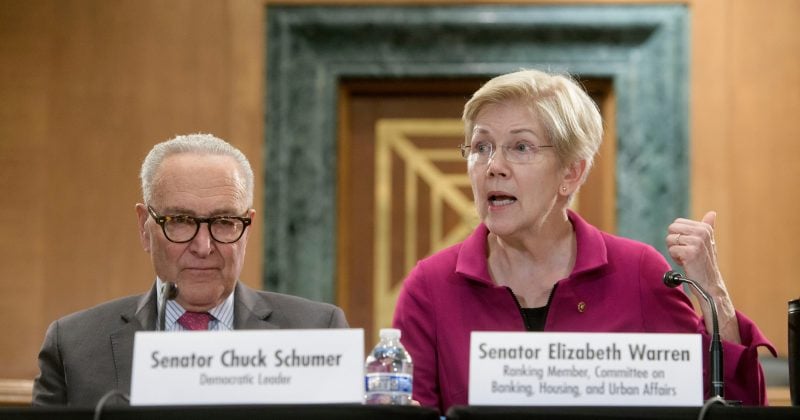
On July 15, Warsh testified before the Senate Banking Committee, where Senator Elizabeth Warren pressed him on how the Fed is handling an investigation into Vice Chair for Supervision Michelle Bowman’s attendance at a Bank of America client dinner. The dinner took place June 17 or 18, just hours after the Federal Open Market Committee wrapped its policy announcement.

Why the timing matters

The Fed operates under a “quiet period” around FOMC meetings. Officials are expected to keep their distance from market participants to avoid any appearance of tipping the hand on rate decisions.

Advertisement

Bowman attended a Bank of America dinner during that window. She has pushed back firmly, stating she complied with all applicable rules and did not discuss monetary policy at the event.

On July 1, a group of Senate Democrats led by Warren, along with Senators Reed and Van Hollen, sent a formal letter requesting the Fed’s Inspector General review whether Bowman’s participation violated FOMC communication protocols or ethical standards. Warsh’s testimony this week was the first public opportunity to ask him directly what he planned to do about it.

The broader governance picture

Warsh became Fed chair on May 22, stepping into a role that carries enormous weight over interest rates, bank regulation, and increasingly, the regulatory framework around digital assets. His confirmation hearings had already put the Fed’s communication practices under a microscope, so the Bowman dinner saga lands at a particularly awkward moment.

The Vice Chair for Supervision has direct oversight over the largest banks in the country, including Bank of America, the institution that hosted the dinner in question.

Warren’s broader point, implicit in her line of questioning, is about whether the Fed’s internal governance is equipped to police its own officials when those officials have longstanding relationships with the institutions they regulate.

What this means for bank regulation and crypto markets

Bowman’s role as Vice Chair for Supervision puts her at the center of decisions about how banks engage with crypto assets. The Fed has been gradually walking back some of the more restrictive guidance issued to banks around digital asset activities, and Bowman has been a visible figure in that shift.

Warren has been one of the most persistent voices on both Fed accountability and crypto regulation. Her decision to combine pressure on ethics standards with scrutiny of the Fed’s relationships with major banks signals she sees these issues as connected.

Disclosure: This article was edited by Editorial Team. For more information on how we create and review content, see our Editorial Policy.

Warren questions Fed chair Warsh over official’s dinner with Wall Street bankers

Warren questions Fed chair Warsh over official’s dinner with Wall Street bankers

Michelle Bowman's attendance at a Bank of America dinner during the Fed's quiet period has sparked a Senate-led investigation into the central bank's ethics protocols

The Federal Reserve is barely two months into Kevin Warsh’s tenure as chair, and it’s already fielding questions about the kind of thing that makes regulators look bad in headlines: a top official at a private Wall Street dinner right after a policy meeting.

On July 15, Warsh testified before the Senate Banking Committee, where Senator Elizabeth Warren pressed him on how the Fed is handling an investigation into Vice Chair for Supervision Michelle Bowman’s attendance at a Bank of America client dinner. The dinner took place June 17 or 18, just hours after the Federal Open Market Committee wrapped its policy announcement.

Why the timing matters

The Fed operates under a “quiet period” around FOMC meetings. Officials are expected to keep their distance from market participants to avoid any appearance of tipping the hand on rate decisions.

Advertisement

Bowman attended a Bank of America dinner during that window. She has pushed back firmly, stating she complied with all applicable rules and did not discuss monetary policy at the event.

On July 1, a group of Senate Democrats led by Warren, along with Senators Reed and Van Hollen, sent a formal letter requesting the Fed’s Inspector General review whether Bowman’s participation violated FOMC communication protocols or ethical standards. Warsh’s testimony this week was the first public opportunity to ask him directly what he planned to do about it.

The broader governance picture

Warsh became Fed chair on May 22, stepping into a role that carries enormous weight over interest rates, bank regulation, and increasingly, the regulatory framework around digital assets. His confirmation hearings had already put the Fed’s communication practices under a microscope, so the Bowman dinner saga lands at a particularly awkward moment.

The Vice Chair for Supervision has direct oversight over the largest banks in the country, including Bank of America, the institution that hosted the dinner in question.

Warren’s broader point, implicit in her line of questioning, is about whether the Fed’s internal governance is equipped to police its own officials when those officials have longstanding relationships with the institutions they regulate.

What this means for bank regulation and crypto markets

Bowman’s role as Vice Chair for Supervision puts her at the center of decisions about how banks engage with crypto assets. The Fed has been gradually walking back some of the more restrictive guidance issued to banks around digital asset activities, and Bowman has been a visible figure in that shift.

Warren has been one of the most persistent voices on both Fed accountability and crypto regulation. Her decision to combine pressure on ethics standards with scrutiny of the Fed’s relationships with major banks signals she sees these issues as connected.

Disclosure: This article was edited by Editorial Team. For more information on how we create and review content, see our Editorial Policy.