
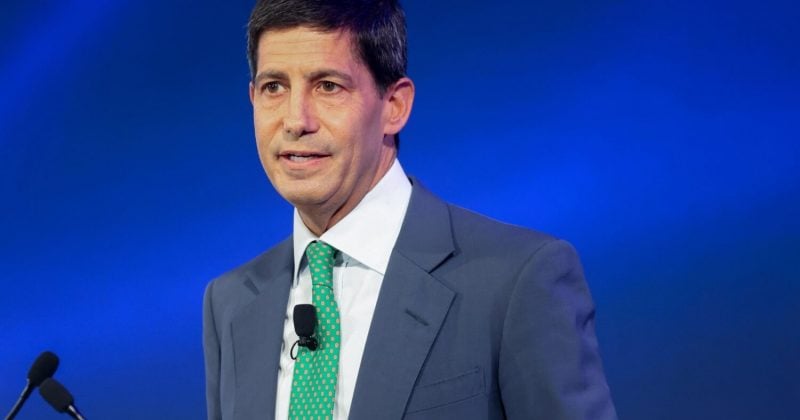
New Fed Chair Kevin Warsh signals openness to reforms on bank stress tests, and his crypto ties add intrigue
Warsh's push to overhaul post-crisis banking rules comes with a side of disclosed digital asset holdings that crypto investors should watch closely
The new head of the Federal Reserve wants to rewrite the rulebook on how America tests whether its banks can survive a crisis. Kevin Warsh, sworn in as Fed Chair on May 22, has made it clear that the stress testing regime born from the 2008 financial meltdown is due for what he calls “substantial reforms.”
For crypto markets, the headline story is the banking overhaul itself. But the subplot is arguably more interesting: Warsh holds disclosed stakes in several crypto-related entities, including positions tied to Solana, Optimism, Compound, and other blockchain companies. The person now steering America’s central bank has skin in the digital asset game, even if he plans to divest.
What Warsh actually wants to change
During his Senate confirmation hearings in April, Warsh laid out his vision for reworking the Comprehensive Capital Analysis and Review process, better known as CCAR. These are the annual stress tests that determine how much capital the largest banks need to hold against potential catastrophic losses.
In his written responses dated April 21, he specifically flagged the need for “substantial reforms” to the process. One concrete proposal already on the table from 2025 involves averaging stress test results over two years rather than relying on a single annual snapshot. The logic is straightforward: smoothing results reduces the chance that one bad year’s model output forces a bank to dramatically and abruptly shift its capital strategy.
Warsh has also signaled he’ll be working closely with Vice Chair for Supervision Michelle Bowman to build what he describes as a more robust but streamlined supervisory framework.
The 2023 bank failures still loom large
The push to relax post-crisis regulations comes at an awkward moment. The failures of several regional banks in 2023 exposed real vulnerabilities in the banking system, the kind of vulnerabilities that stress tests were literally designed to catch.
The news moving money, markets, and the world—before your day starts.
Daily. Free. Join 34,000+ readers across crypto, finance, and policy.
Silicon Valley Bank, Signature Bank, and First Republic didn’t collapse because of exotic derivatives or subprime mortgages. They failed because of basic interest rate risk and deposit concentration problems. The Fed also faced legal challenges to aspects of the stress testing process in 2025, which accelerated internal discussions about reform. Warsh is inheriting a process that was already evolving before he took the chair.
The crypto connection investors shouldn’t ignore
Warsh’s financial disclosures revealed holdings in various crypto-related entities through venture fund stakes. His portfolio includes exposure to Solana, Optimism, Compound, and several other blockchain companies. He has committed to divesting these holdings, which is standard practice for incoming Fed officials.
The stress test reforms themselves could have direct implications for crypto-adjacent banking. If capital requirements ease for traditional banks, that potentially frees up capacity for those institutions to engage more aggressively with digital asset custody, stablecoin issuance, and crypto lending services.
What investors should actually watch
As of mid-July 2026, Warsh’s public focus has shifted toward inflation and monetary policy testimony, moving away from the stress test discussion. That suggests reforms will play out over quarters, not weeks.
Warsh’s disclosed crypto holdings add a layer of political vulnerability to this equation. Any regulatory action, or inaction, that benefits digital asset markets will inevitably draw scrutiny about his prior positions. Even with full divestment, the optics create a lightning rod that congressional opponents won’t hesitate to exploit if things go sideways.
The smart play is watching two things in parallel: the pace and scope of actual CCAR reforms as they move through the Fed’s rulemaking process, and any signals from Warsh or Bowman about updated guidance on bank engagement with digital assets.