
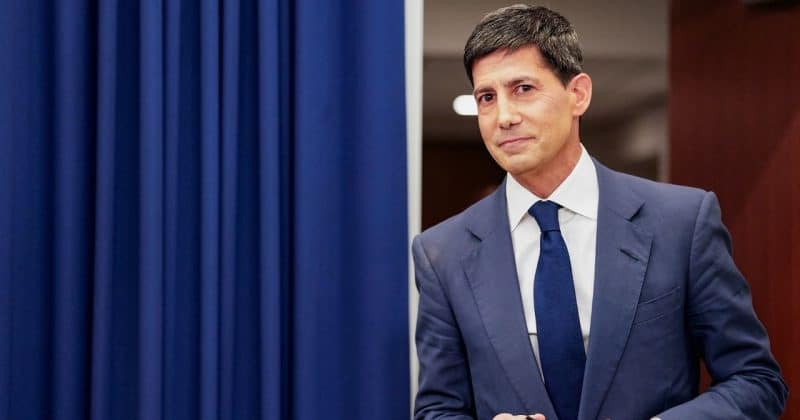
Warsh pushes for operational changes at Federal Reserve

Warsh pushes for operational changes at Federal Reserve

The new Fed chair is launching five task forces and calling it a 'regime change,' and he's not wrong

Kevin Warsh is not interested in easing into the job. Confirmed as Federal Reserve Chair on May 22, the former governor and Morgan Stanley advisor has wasted little time signaling that the central bank he now runs will look and sound different under his leadership.

At his first Federal Open Market Committee meeting on June 17, Warsh held the target interest rate steady at 3.25% and announced the creation of five task forces designed to overhaul how the Fed communicates, operates, and thinks about its own role in financial markets. He’s calling the whole effort a “regime change.”

What Warsh actually wants to change

The new chair has zeroed in on several areas he considers overdue for reform. First on the list: the Fed’s balance sheet, which currently sits at an estimated $6.7 trillion. For context, that figure is roughly three times what it was before the 2008 financial crisis. Warsh wants it smaller, a position he’s held publicly for years.

Advertisement

Then there’s how the Fed talks to markets. Under Jerome Powell, the Fed leaned heavily on forward guidance, essentially telegraphing its next moves well in advance to minimize surprises. Warsh wants to dial that back significantly, arguing that excessive signaling has created a dynamic where markets hang on every comma in a Fed statement rather than reacting to actual economic conditions.

Warsh’s five task forces will also examine inflation measurement practices and the effects of productivity trends, with a particular emphasis on artificial intelligence.

The digital asset angle

During his confirmation hearings, Warsh advocated for clearer regulatory frameworks for digital assets, describing them as integral to the financial landscape. That alone was enough to get the crypto industry’s attention, given that the Fed under Powell maintained a posture best described as cautious-to-hostile toward anything blockchain-adjacent.

If Warsh follows through on creating clearer guardrails, the practical effect could be reduced friction for banks that want to custody crypto, process stablecoin transactions, or engage with tokenized assets. Powell’s Fed issued guidance that effectively discouraged banks from engaging with crypto firms, contributing to what the industry called “Operation Chokepoint 2.0.”

What this means for investors

The shift away from forward guidance deserves the most attention from anyone managing a portfolio. Less forward guidance means more uncertainty about the Fed’s next move at any given meeting, which tends to increase volatility, particularly for risk assets.

The balance sheet question is equally consequential. A $6.7 trillion balance sheet means the Fed is still a massive presence in Treasury and mortgage-backed securities markets. During the last sustained period of quantitative tightening from 2017 to 2019, risk assets eventually buckled. The S&P 500 dropped sharply in late 2018, and the Fed ultimately reversed course.

The rate hold at 3.25% suggests Warsh isn’t in a rush to make dramatic moves on the monetary policy front itself. Investors across every asset class should be paying close attention to what those five task forces produce in the coming months, because the recommendations will likely set the Fed’s operational direction for the rest of this decade.

Disclosure: This article was edited by Editorial Team. For more information on how we create and review content, see our Editorial Policy.

Warsh pushes for operational changes at Federal Reserve

Warsh pushes for operational changes at Federal Reserve

The new Fed chair is launching five task forces and calling it a 'regime change,' and he's not wrong

Kevin Warsh is not interested in easing into the job. Confirmed as Federal Reserve Chair on May 22, the former governor and Morgan Stanley advisor has wasted little time signaling that the central bank he now runs will look and sound different under his leadership.

At his first Federal Open Market Committee meeting on June 17, Warsh held the target interest rate steady at 3.25% and announced the creation of five task forces designed to overhaul how the Fed communicates, operates, and thinks about its own role in financial markets. He’s calling the whole effort a “regime change.”

What Warsh actually wants to change

The new chair has zeroed in on several areas he considers overdue for reform. First on the list: the Fed’s balance sheet, which currently sits at an estimated $6.7 trillion. For context, that figure is roughly three times what it was before the 2008 financial crisis. Warsh wants it smaller, a position he’s held publicly for years.

Advertisement

Then there’s how the Fed talks to markets. Under Jerome Powell, the Fed leaned heavily on forward guidance, essentially telegraphing its next moves well in advance to minimize surprises. Warsh wants to dial that back significantly, arguing that excessive signaling has created a dynamic where markets hang on every comma in a Fed statement rather than reacting to actual economic conditions.

Warsh’s five task forces will also examine inflation measurement practices and the effects of productivity trends, with a particular emphasis on artificial intelligence.

The digital asset angle

During his confirmation hearings, Warsh advocated for clearer regulatory frameworks for digital assets, describing them as integral to the financial landscape. That alone was enough to get the crypto industry’s attention, given that the Fed under Powell maintained a posture best described as cautious-to-hostile toward anything blockchain-adjacent.

If Warsh follows through on creating clearer guardrails, the practical effect could be reduced friction for banks that want to custody crypto, process stablecoin transactions, or engage with tokenized assets. Powell’s Fed issued guidance that effectively discouraged banks from engaging with crypto firms, contributing to what the industry called “Operation Chokepoint 2.0.”

What this means for investors

The shift away from forward guidance deserves the most attention from anyone managing a portfolio. Less forward guidance means more uncertainty about the Fed’s next move at any given meeting, which tends to increase volatility, particularly for risk assets.

The balance sheet question is equally consequential. A $6.7 trillion balance sheet means the Fed is still a massive presence in Treasury and mortgage-backed securities markets. During the last sustained period of quantitative tightening from 2017 to 2019, risk assets eventually buckled. The S&P 500 dropped sharply in late 2018, and the Fed ultimately reversed course.

The rate hold at 3.25% suggests Warsh isn’t in a rush to make dramatic moves on the monetary policy front itself. Investors across every asset class should be paying close attention to what those five task forces produce in the coming months, because the recommendations will likely set the Fed’s operational direction for the rest of this decade.

Disclosure: This article was edited by Editorial Team. For more information on how we create and review content, see our Editorial Policy.