
White House defends Trump’s regulatory appointments amid CFTC vacancies that threaten crypto oversight

White House defends Trump’s regulatory appointments amid CFTC vacancies that threaten crypto oversight

The commodities regulator has just one sitting commissioner out of five authorized seats, raising concerns about stalled digital asset legislation

The agency that’s supposed to be getting more power over crypto markets can barely keep the lights on. The Commodity Futures Trading Commission currently has just one confirmed commissioner, Republican Chair Michael Selig, out of five authorized seats. Four vacancies have persisted for months.

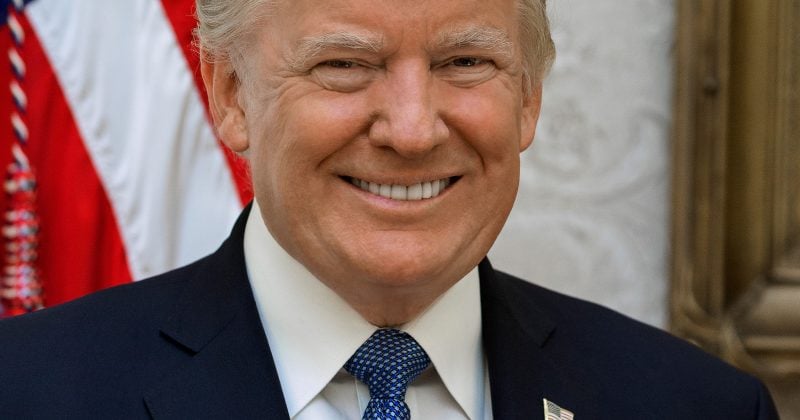
The White House is now pushing back against Democratic criticism that the Trump administration has deliberately left key regulatory agencies understaffed. Administration officials claim they’ve solicited Democratic names for CFTC and SEC openings but received none, calling the opposition party’s claims about blocked appointments “faulty.”

A regulator running on fumes

This matters enormously for crypto. The CLARITY Act, which would give the CFTC expanded jurisdiction over digital asset spot markets, is currently working its way through Congress. But even if the legislation passes, an understaffed commission would struggle to implement the new rules.

Advertisement

Around May 15, 2026, leaders of the House Agriculture Committee, which oversees the CFTC, sent a letter urging President Trump to nominate a full bipartisan commission. Their reasoning was straightforward: the derivatives markets the agency oversees are undergoing significant technological transformation, and managing that shift requires a fully staffed leadership team.

The administration’s track record on CFTC nominations hasn’t exactly been smooth. Brian Quintenz, initially put forward for CFTC chair, saw his nomination withdrawn back in September 2025 due to vetting and political concerns. That withdrawal left a gap that still hasn’t been filled with a permanent replacement beyond Selig’s confirmation.

The political blame game

Meanwhile, the Trump administration has been active on digital assets through other channels. A May 19, 2026, executive order directed federal regulators, including the CFTC, to remove barriers to fintech and digital asset integration into the financial system.

What this means for crypto markets

The CLARITY Act’s entire value proposition rests on giving the CFTC meaningful authority over crypto spot markets, a jurisdiction that’s been contested between the CFTC and SEC for years. If the agency receiving that new authority can’t staff up to handle it, the legislation becomes less effective even if it passes.

For traders and investors currently operating in US crypto markets, the near-term impact is more about what doesn’t happen than what does. New derivatives products, clearer token classification guidelines, and updated custody rules all require an active commission to move forward. Without one, continued ambiguity persists about which tokens are commodities versus securities, with limited options for regulated crypto derivatives.

Disclosure: This article was edited by Editorial Team. For more information on how we create and review content, see our Editorial Policy.

White House defends Trump’s regulatory appointments amid CFTC vacancies that threaten crypto oversight

White House defends Trump’s regulatory appointments amid CFTC vacancies that threaten crypto oversight

The commodities regulator has just one sitting commissioner out of five authorized seats, raising concerns about stalled digital asset legislation

The agency that’s supposed to be getting more power over crypto markets can barely keep the lights on. The Commodity Futures Trading Commission currently has just one confirmed commissioner, Republican Chair Michael Selig, out of five authorized seats. Four vacancies have persisted for months.

The White House is now pushing back against Democratic criticism that the Trump administration has deliberately left key regulatory agencies understaffed. Administration officials claim they’ve solicited Democratic names for CFTC and SEC openings but received none, calling the opposition party’s claims about blocked appointments “faulty.”

A regulator running on fumes

This matters enormously for crypto. The CLARITY Act, which would give the CFTC expanded jurisdiction over digital asset spot markets, is currently working its way through Congress. But even if the legislation passes, an understaffed commission would struggle to implement the new rules.

Advertisement

Around May 15, 2026, leaders of the House Agriculture Committee, which oversees the CFTC, sent a letter urging President Trump to nominate a full bipartisan commission. Their reasoning was straightforward: the derivatives markets the agency oversees are undergoing significant technological transformation, and managing that shift requires a fully staffed leadership team.

The administration’s track record on CFTC nominations hasn’t exactly been smooth. Brian Quintenz, initially put forward for CFTC chair, saw his nomination withdrawn back in September 2025 due to vetting and political concerns. That withdrawal left a gap that still hasn’t been filled with a permanent replacement beyond Selig’s confirmation.

The political blame game

Meanwhile, the Trump administration has been active on digital assets through other channels. A May 19, 2026, executive order directed federal regulators, including the CFTC, to remove barriers to fintech and digital asset integration into the financial system.

What this means for crypto markets

The CLARITY Act’s entire value proposition rests on giving the CFTC meaningful authority over crypto spot markets, a jurisdiction that’s been contested between the CFTC and SEC for years. If the agency receiving that new authority can’t staff up to handle it, the legislation becomes less effective even if it passes.

For traders and investors currently operating in US crypto markets, the near-term impact is more about what doesn’t happen than what does. New derivatives products, clearer token classification guidelines, and updated custody rules all require an active commission to move forward. Without one, continued ambiguity persists about which tokens are commodities versus securities, with limited options for regulated crypto derivatives.

Disclosure: This article was edited by Editorial Team. For more information on how we create and review content, see our Editorial Policy.