
Nexo Earn with Nexo
White House delays ceremony for Trump to sign AI executive order

White House delays ceremony for Trump to sign AI executive order

Trump pulled the plug on his own signing ceremony after expressing dissatisfaction with parts of the AI and cybersecurity order.

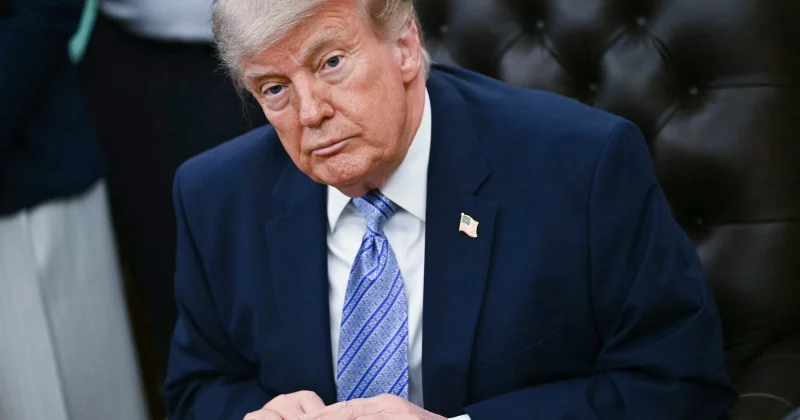
President Donald Trump was supposed to sign a new executive order on artificial intelligence and cybersecurity on the afternoon of May 21. Instead, he postponed the ceremony, telling reporters he wasn’t happy with certain aspects of the order.

AI executives had already been briefed and invited to the White House for the event. Then, it just didn’t happen. No rescheduled date has been announced, leaving the finalized policy text in limbo.

What the order was supposed to do

The executive order was designed to strengthen cybersecurity protections around advanced AI models. It also aimed to create a voluntary framework where AI developers would notify the government before major releases.

Advertisement

The order followed brief discussions with leading AI companies and industry stakeholders. What specifically bothered Trump about the order remains unclear.

A pattern of AI policy moves

On January 23, 2025, Trump signed Executive Order 14179, which focused on removing barriers to US leadership in artificial intelligence. The order was framed as a deregulatory push, positioning America as the global frontrunner in AI development by clearing bureaucratic obstacles.

Then on December 11, 2025, another executive order tackled the growing patchwork of state-level AI regulations. That order addressed conflicts between different states’ approaches to governing AI.

The now-delayed order would have been the third major AI-related executive action in roughly 17 months.

What this means for investors and the tech sector

The executives who were briefed and invited to the ceremony had presumably already begun aligning their internal strategies with the expected framework. Companies that were preparing to comply with voluntary pre-release notifications don’t know if that system will still exist in the final version.

For the crypto sector specifically, the direct impact is minimal. The order was focused on AI and cybersecurity, not digital assets or blockchain technology.

Disclosure: This article was edited by Editorial Team. For more information on how we create and review content, see our Editorial Policy.

White House delays ceremony for Trump to sign AI executive order

White House delays ceremony for Trump to sign AI executive order

Trump pulled the plug on his own signing ceremony after expressing dissatisfaction with parts of the AI and cybersecurity order.

President Donald Trump was supposed to sign a new executive order on artificial intelligence and cybersecurity on the afternoon of May 21. Instead, he postponed the ceremony, telling reporters he wasn’t happy with certain aspects of the order.

AI executives had already been briefed and invited to the White House for the event. Then, it just didn’t happen. No rescheduled date has been announced, leaving the finalized policy text in limbo.

What the order was supposed to do

The executive order was designed to strengthen cybersecurity protections around advanced AI models. It also aimed to create a voluntary framework where AI developers would notify the government before major releases.

Advertisement

The order followed brief discussions with leading AI companies and industry stakeholders. What specifically bothered Trump about the order remains unclear.

A pattern of AI policy moves

On January 23, 2025, Trump signed Executive Order 14179, which focused on removing barriers to US leadership in artificial intelligence. The order was framed as a deregulatory push, positioning America as the global frontrunner in AI development by clearing bureaucratic obstacles.

Then on December 11, 2025, another executive order tackled the growing patchwork of state-level AI regulations. That order addressed conflicts between different states’ approaches to governing AI.

The now-delayed order would have been the third major AI-related executive action in roughly 17 months.

What this means for investors and the tech sector

The executives who were briefed and invited to the ceremony had presumably already begun aligning their internal strategies with the expected framework. Companies that were preparing to comply with voluntary pre-release notifications don’t know if that system will still exist in the final version.

For the crypto sector specifically, the direct impact is minimal. The order was focused on AI and cybersecurity, not digital assets or blockchain technology.

Disclosure: This article was edited by Editorial Team. For more information on how we create and review content, see our Editorial Policy.