
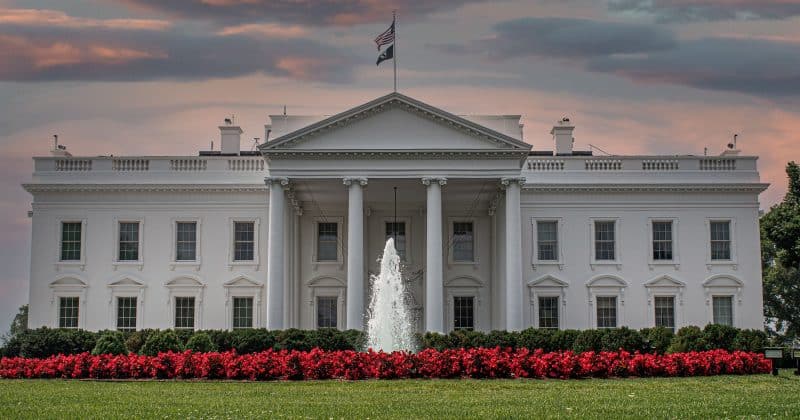
White House argues interim Iran deal will resolve global energy crisis
The electronically signed agreement aims to reopen the Strait of Hormuz after months of conflict, but full normalization of energy supply remains uncertain
The White House is betting that a freshly inked interim deal with Iran can unwind a global energy crisis that has rattled markets since late February. The agreement, electronically signed around June 13-15, focuses on halting hostilities and reopening the Strait of Hormuz, one of the most critical chokepoints for global oil supply.
Roughly a fifth of global oil passes through the Strait of Hormuz on any given day.
How we got here
The crisis traces back to February 28, when US and Israeli strikes targeted Iran. Tehran’s response was to close the Strait of Hormuz, effectively slamming the door on a massive portion of global energy supply.
In the months that followed, the US pursued a multi-pronged pressure campaign. Part of that strategy included seizing around $1 billion in crypto assets linked to Iran, an aggressive move designed to tighten the sanctions vise.
Negotiations leading to the interim deal involved mediation from Pakistan and Qatar. Those talks unfolded against a backdrop of US threats to strike Iranian infrastructure.
Vice President JD Vance framed the agreement as a breakthrough for both regional safety and energy supply. The deal’s formal signing is expected to take place in Geneva in the near future, though the electronic version is already in effect.
Markets react, but with caveats
Bitcoin responded to the news by climbing above $64,000 and reaching a two-week high near $65,500 in mid-June. Oil prices, meanwhile, moved in the opposite direction, with the prospect of reopened shipping lanes through the Strait sending crude lower.
Experts caution that full normalization of supply could take weeks or months, even if everything goes according to plan.
What this means for investors
The $1 billion in seized Iranian crypto assets is a reminder that governments are getting increasingly sophisticated at tracking and confiscating digital currencies used to evade sanctions. That ongoing scrutiny could weigh on certain segments of the market, particularly privacy-focused tokens and decentralized exchanges that have been flagged in enforcement actions.
The uncertainty surrounding the timeline for complete operational normalcy in the Strait remains the single most important variable for both energy and crypto markets in the weeks ahead.