
The 2026 World Cup kicks off with Iran vs New Zealand, and crypto is officially on the pitch
Kraken's historic FIFA sponsorship, prediction market surges, and sanctions complications collide as the tournament opens at SoFi Stadium
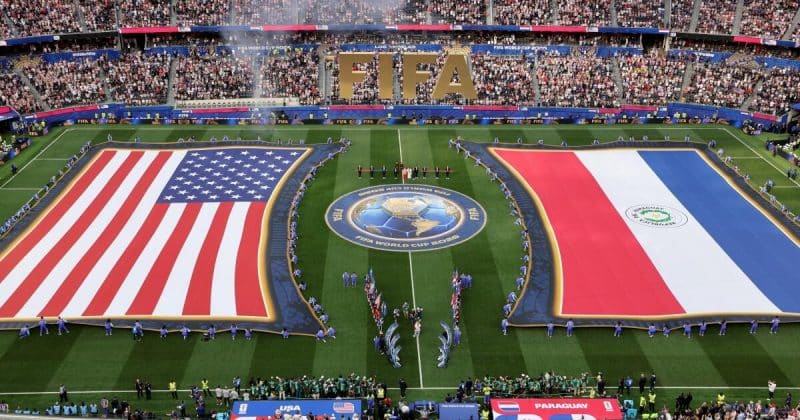
The 2026 FIFA World Cup opens Monday night with Iran facing New Zealand in a Group G clash at SoFi Stadium in Los Angeles. But the real story for crypto isn’t what happens on the grass. It’s what’s happening around it.
Kraken holds the distinction of being FIFA’s first-ever Official Crypto Exchange Supporter, a sponsorship tier that didn’t exist until this tournament cycle. That means crypto branding will be woven into the most-watched sporting event on the planet, reaching billions of viewers across 48 nations’ worth of matches.
Crypto’s World Cup moment
Prediction markets are already seeing volume increases ahead of the opener, with platforms like Kalshi offering markets on individual match outcomes and broader tournament results.
Chiliz, the blockchain network powering the Socios fan token ecosystem, is also positioned to benefit from tournament-driven interest. Fan tokens for national teams let holders vote on minor club decisions and access exclusive content. Neither Iran nor New Zealand currently has an active national-team fan token, which limits the direct crypto engagement available to supporters of Monday night’s competitors.
Compare that to a team like Argentina, which has an established fan token and a built-in digital fanbase from the 2022 World Cup triumph. The gap highlights an uneven landscape where some national teams have embraced tokenized fan engagement while others remain entirely off-chain.
Iran’s sanctions shadow looms over digital assets
Iran’s participation in the tournament carries baggage that extends well beyond football tactics. OFAC and FinCEN have targeted Iranian crypto infrastructure in 2026, part of a broader enforcement push aimed at disrupting sanctions evasion through blockchain networks.
The news moving money, markets, and the world—before your day starts.
Daily. Free. Join 34,000+ readers across crypto, finance, and policy.
Nobitex, Iran’s largest crypto exchange, has processed billions of dollars in transactions through networks including Tron and BNB Chain. Those flows have drawn scrutiny from US regulators who view them as potential vectors for circumventing financial restrictions.
For crypto exchanges operating in the US, the compliance calculus is straightforward but worth noting. Any surge in Iranian user interest around World Cup excitement doesn’t change the sanctions landscape. Platforms that fail to screen for sanctioned jurisdictions face serious enforcement risk, regardless of whether the activity is tied to a football match or not.
FIFA’s own blockchain play
FIFA isn’t just accepting crypto sponsorship dollars. The organization has its own blockchain initiative called FIFA Collect, which operates on a dedicated blockchain for digital collectibles. Think of it as FIFA’s answer to NBA Top Shot: officially licensed digital memorabilia tied to tournament moments, with some offerings connected to ticket-related access and experiences.
What this means for investors
Chiliz and the Socios platform deserve monitoring as the tournament progresses. Even without Iran or New Zealand fan tokens in play, matches involving token-equipped nations could drive noticeable volume spikes in CHZ.
Sanctions enforcement around Iranian crypto infrastructure could produce headline risk that spills into broader market sentiment, particularly if enforcement actions coincide with high-profile tournament moments.